

Top Female Singer-Songwriters and Popular Songs of the 2000s [2026]

We present a ranking-style list packed with popular tracks, drawing from hit songs and hidden gems by female singer-songwriters of the 2000s.
Many massively popular songs that still frequently appear on TV music programs are ranked as well.
Find your new favorite track!
- Debut songs by Japanese female artists from the 2000s
- 2000s: A Collection of Hit Karaoke Classics
- Ranking of Popular Songs by Female Singer-Songwriters of the 1990s [2026]
- Theme Songs, Insert Songs, and Popular Song Rankings by Female Singer-Songwriters [2026]
- Love songs that were hits in the 2000s. Classic and popular Japanese songs.
- Best/Loved Songs with Great Lyrics by Female Singer-Songwriters: Ranking [2026]
- All big hits! A roundup of classic J‑Pop songs that were popular in 2000
- Ranking of Beloved Hit Songs Among Women [2026]
- Cool Japanese female vocal
- Girls’ rock: female vocal bands that were active in the 2000s
- Recommended Japanese Female Artists and Popular Song Rankings for Women [2026]
- [Japanese Music] Masterpieces of 2000s Pop: A roundup of hit songs from 00s J-POP
- Nothing but iconic hits that defined an era! 2000s classics popular on TikTok
Top 2000s Female Singer-Songwriters: Popular Songs Ranking [2026] (1–10)
First LoveUtada Hikaru8rank/position

It’s a classic that blends the sweet tang of first love with the bittersweet aftertaste of a love that has ended.
Written and composed by Hikaru Utada, the song vividly captures the melancholy of the moment of parting.
You can feel the wish that, even if one day you fall in love again, your former lover will remain someone special in your heart.
Released as a single in April 1999, it was used as the theme song for the TV drama “Majo no Joken” and became a massive hit.
In 2022, an original drama inspired by the song was released worldwide, bringing it back into the spotlight across generations.
It’s a love song recommended for those who, while holding on to unforgettable memories, want to take a new step forward—because the protagonist’s struggle to recover from heartbreak and face ahead is so deeply relatable.
beetle (specifically, a rhinoceros beetle)aiko9rank/position

This renowned song, which portrays the joy and poignancy of love through the changing seasons, was released as a single by aiko in November 1999.
In this work, each season symbolizes a different stage of romance, and from the distinctive perspective of a beetle, it delicately conveys the protagonist’s emotions.
Chosen as a program tie-in, it served as the ending theme for TBS’s “CDTV” in December 1999 and for Fuji TV’s “Jobireba!?” and has since been covered by various artists, including Keisuke Kuwata.
Embracing those moments when the beauty and fragility of love are most keenly felt, this piece was likely a youth anthem for many who came of age in the ’90s.
things that have formShibasaki Kou10rank/position
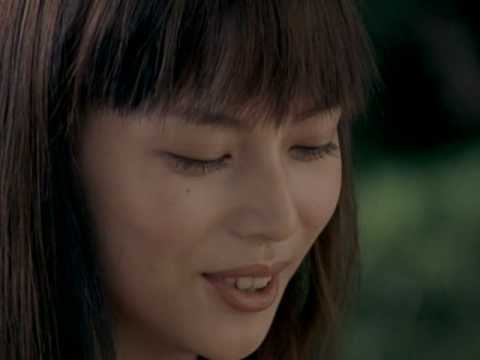
This is the theme song of the TBS drama “Crying Out Love, in the Center of the World,” which became a social phenomenon.
Kou Shibasaki’s “Katachi Aru Mono,” for which she wrote the lyrics herself, is a masterpiece that sings of parting from someone dear and the enduring depth of love that never fades.
Though tangible things eventually disappear, the feelings in our hearts live on forever—its message overlaps with the bittersweet emotions felt for friends or lovers who will go their separate ways at graduation.
Even if physical distance grows, we want to believe in the invisible bonds.
This work gently stays by the side of everyone taking a new step forward.
Female Singer-Songwriters of the 2000s: Popular Songs Ranking [2026] (11–20)
AitaiKato Miria11rank/position

It’s a heartrending love song about longing for someone who’s looking at somebody else.
Included on the acclaimed 2009 album “Ring,” this fan favorite became a hit with over 700,000 downloads despite not being released as a single.
It also adds deep resonance to the film “Villain” as an in-film track.
Even if I’m not your number one, even if I know I’ll get hurt, it has to be you… That desperate cry from the heart tightens the listener’s chest.
When you fall for someone, reason can’t do a thing about it.
If you’re suffering from an unrequited love, this is a song that will surely stay close to your heart.
sparklingaiko12rank/position
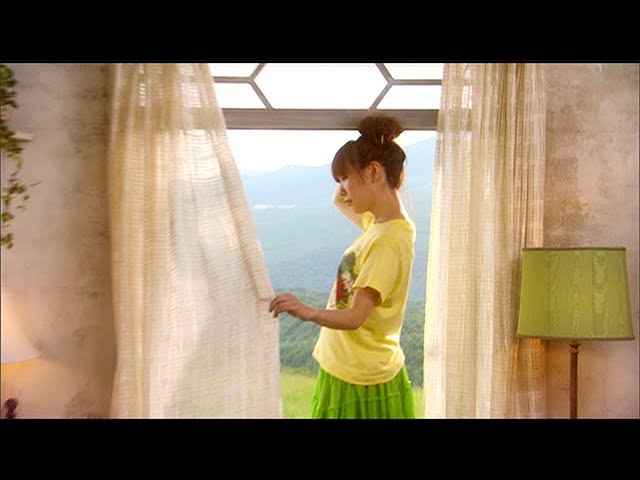
Singer-songwriter aiko, who scored numerous summer hits in the ’90s such as “Hanabi” and “Kabutomushi,” released “Kira Kira” in 2005—a refreshing pop tune crafted with summer in mind as the theme song for the Kansai TV/Fuji TV drama “Ganbatte Ikimasshoi.” Its intro features a memorable piano phrase that makes you feel like something good is about to happen; the sound alone conjures up a vision of a clear, translucent summer sky.

Marigoldaimyon13rank/position

A song that depicts summer scenery and a bittersweet love has captured the hearts of many as one of Aimyon’s signature works.
Interweaving delicate emotional expression with vivid imagery, its lyrics evoke deep empathy in listeners.
Released in August 2018, the track ranked 12th on the Oricon Digital Singles Chart and climbed to 3rd in January the following year.
The music video surpassed 100 million views in July 2019, demonstrating its enduring popularity.
It’s a perfect recommendation for those who’ve experienced heartbreak or who look back fondly on past love.
Enjoy the warm tones of the acoustic guitar along with a voice that resonates deep in the heart.
Stars on EarthNakajima Miyuki14rank/position

The 37th single by Miyuki Nakajima, a singer-songwriter beloved across generations.
Chosen as the theme song for the documentary series “Project X: Challengers,” its powerful lyrics—filled with respect and encouragement for unsung challengers—perfectly align with the show’s worldview.
Sprinkling in keywords like wind and stars, the song shines a light on people who work quietly and steadily, resonating deeply with listeners of all ages.
Although released in July 2000, it became an exceptional long-running hit: after her performance at the 2002 Kohaku Uta Gassen, it reached No.
1 on the Oricon Weekly Chart roughly 130 weeks after its release, and it remains a karaoke staple.