

[50s] Popular Japanese Music / J-POP Rankings [By Generation]

We’re excited to present the latest Top 100 ranking of Japanese pop (J-pop) songs for listeners in their 50s, ordered by most plays! As we reach this stage of life, we may find ourselves looking back on the music we’ve listened to rather than seeking out new sounds.
Seeing the paths each of us has taken might be one of the ways to enjoy music.
The playlist is updated weekly.
- [50s] Popular Song Ranking by Generation [2026]
- [2026] Crowd-Pleasing Songs Recommended for People in Their 50s: A Collection of Nostalgic Classics
- Ranking of Popular Japanese Pop (J-Pop) Artists Among People in Their 50s [2026]
- [40s] Popular Songs Ranking by Generation [2026]
- Coming-of-age songs for your 50s: heart-thumping × heartwarming classics and popular tracks [2026]
- [For People in Their 50s] Ranking of Easy-to-Sing Karaoke Songs [2026]
- Dance music in Japanese (J-pop) that people in their 50s used to listen to. Nostalgic classic hits.
- [Ages 60s] Popular Japanese Music / J-POP Rankings [By Generation]
- [2026] A collection of autumn songs for people in their 50s. Showa-era classics that bring back memories of those days
- Recommended Japanese Music Artists and Popular Song Rankings for Men in Their 50s [2026]
- Recommended for women in their 50s! A curated selection of classic and popular karaoke hits that will get the crowd going
- [For People in Their 50s] Karaoke Songs That Get the Crowd Going: Ranking [2026]
- Good songs recommended for people in their 50s: classic and popular J-pop tracks.
[50s] Popular Japanese Music / J-POP Rankings [By Generation] (81–90)
Before anything else, from atop the roadIsseifubi Sepia85rank/position

This track, distinguished by lively festival-like drums and flutes, weaves in themes that deeply reflect on the meaning of life and personal values through scenes of nature.
While questioning the purpose of living and our reason for being, it delivers a powerful message of courage and hope in the face of hardship.
Released in June 1984 as the debut single of Ikkyo Fubi Sepia, it reached No.
5 on the Oricon charts.
It was also used in commercials for SUZUKI’s scooter “Love THREE” and Kirin Beer’s “Kirin Shochu Tanrei Straight,” gaining popularity across a wide audience.
It’s a song that gives you the strength to face forward and keep walking when you’re at a crossroads in life, feeling lost or anxious.
Unstoppable ha~haYazawa Eikichi86rank/position

Eikichi Yazawa, affectionately known as Eikichi “Ei-chan,” is still going strong as a full-fledged rock star in the 2020s.
His concerts are famous for the electric atmosphere—like the iconic “Ei-chan call”—and equally famous is the “towel throw.” Even people who aren’t particularly into Yazawa’s music have at least heard about fans tossing towels, right? The song that gave birth to this “towel throw” tradition is Stoppenai Ha~Ha (Can’t Stop Ha~Ha), released in 1986.
Its tight beat, hard-driving guitars, and instantly memorable hooks make it easy to imagine the live crowd going wild just by listening.
Naturally, it’s a surefire hit at karaoke gatherings for people in their 50s, so try recreating the Yazawa world by everyone twirling towels—within reason so you don’t bother those around you!

WON’T BE LONGBaburugamu Burazāzu87rank/position

The Bubblegum Brothers, who rose to popularity with entertainment-packed performances rooted in soul and funk, released their tenth single in August 1990—a track that perfectly distills their appeal.
Chosen as the ending theme for Fuji TV’s “Hit Studio R&N,” the song drew widespread attention after being featured on a television program in March 1991, ultimately becoming a massive hit with total sales of 1.7 million copies.
With its catchy sound—dubbed “living-room funk” for its friendly accessibility—and a shout that sticks in your head after just one listen, it remains a powerful classic beloved across generations.
RUNNERbakufū suranpu88rank/position

A heart-stirring anthem of encouragement themed around a track-and-field team, depicting young people who keep running with single-minded devotion.
Released in October 1988, it’s a medium-tempo rock number by Bakufu Slump.
Powerfully interwoven are its strong guitar riffs, exhilarating sense of speed, and the passionate vocals of Mr.
Sunplaza Nakano.
Featured as an insert song on the TV show “Tensai! Takeshi no Genki ga Deru TV,” it became a major hit, reaching No.
6 on the Oricon weekly chart.
Through evocative scenes that summon memories of youth, the song gently sings of bonds with friends and hope for the future.
A gem of a track that stands beside anyone about to take a new step forward.
Pink sighTakahashi Mariko89rank/position
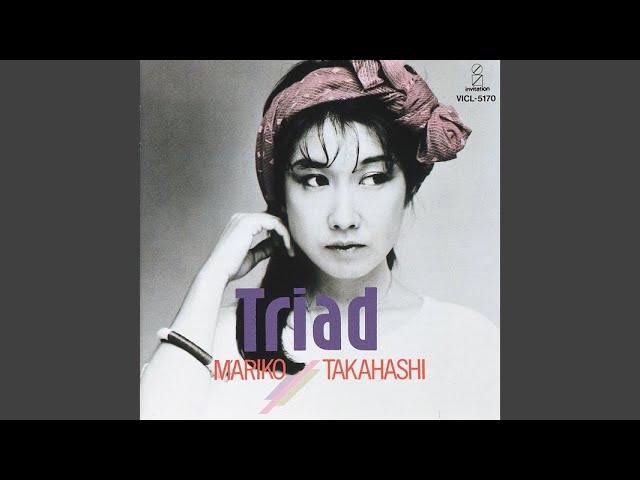
Mariko Takahashi’s classic “Momoiro Toiki.” It features a distinctly exotic melody and, while it carries elements of mood kayō (mood enka), it also incorporates contemporary J-pop characteristics.
The piece sits within a relatively narrow vocal range of mid1 G# to high C.
Since the most frequent pitch is around mid2 G#, most women should be able to sing it without difficulty.
As the song prioritizes mood, it’s recommended to sing with careful dynamics.
If a phrase ends with a consonant, letting it fade out as a voiceless sound can be an effective touch.

A Midsummer Night’s DreamMatsutōya Yumi90rank/position

Here is a song by Yumi Matsutoya, released in 1993, brimming with a Latin mood.
It became the theme song for the much-talked-about drama “Dare ni mo Ienai” (I Can’t Tell Anyone).
Perhaps thanks to the synergy between this striking track—which marked a slight departure from her usual style—and the drama’s success, it reached No.
1 on the Oricon Weekly Singles Chart for the first time in 17 years since “Ano Hi ni Kaeritai,” and became her first million-selling single.
Even now, with time having passed, it doesn’t feel like an oldie; it’s a song that still sounds fresh.

[50s] Popular Japanese Music / J‑POP Rankings [By Generation] (91–100)
Love Story Comes SuddenlyOda Kazumasa91rank/position

Singer-songwriter Kazumasa Oda, who rose to popularity with his high-toned voice tinged with transience and his playful character, continues to be highly active today.
“Love Story wa Totsuzen ni,” written as the theme song for the quintessential trendy drama Tokyo Love Story, was originally included as the B-side to his sixth single, “Oh! Yeah!” Its airy, urban arrangement still feels timeless even now.
It’s a pop tune whose massive success makes perfect sense—the opening guitar alone brings back iconic scenes from the drama.
