

[For People in Their 50s] Ranking of Easy-to-Sing Karaoke Songs [2026]

The key to choosing songs for karaoke is whether they’re easy for the singer to sing, right?
This time, we’ll introduce some easy-to-sing karaoke songs that have been popular among people in their 50s.
I hope you find it helpful!
It’s sure to get everyone excited.
- Karaoke Popularity Ranking by Generation [50s] [2026]
- Karaoke songs that are easy to sing even if you’re not confident in your pitch (for women in their 50s)
- [Men in Their 50s, Gather Up!] Classic Karaoke Crowd-Pleasers & Easy-to-Sing Hits
- [For People in Their 50s] Karaoke Songs That Get the Crowd Going: Ranking [2026]
- Easy-to-sing Japanese karaoke songs recommended for women in their 50s
- [For People in Their 60s] Ranking of Easy-to-Sing Karaoke Songs [2026]
- [For People in Their 40s] Karaoke Songs That Are Easy to Sing: 2026 Ranking
- [60s] Karaoke Popularity Rankings by Generation [2026]
- [2026] Recommended Japanese karaoke songs for men in their 50s
- [Karaoke] A roundup of songs that are easy for women to sing!
- [For People in Their 60s] Karaoke Songs That Get the Crowd Going: Ranking [2026]
- [Songs from the Showa Era] Introducing classic tracks that are easy to sing at karaoke.
- Easy-to-sing karaoke songs: Classic picks for women in their 40s
[50s] Karaoke Easy-to-Sing Song Rankings [2026] (71–80)
Christmas songback number78rank/position

This is back number’s 14th single, released in November 2015.
It was chosen as the theme song for Fuji TV’s Monday 9 p.m.
drama “5→9: The Monk Who Fell in Love with Me” and won the Best Drama Song at the 87th The Television Drama Academy Awards, so many of you have probably heard it.
Sung by vocalist Iyori Shimizu, whose high notes are wonderfully beautiful, it may intimidate some people into hesitating to try it at karaoke after just one listen—but there’s no need to worry! It’s true that, for a male-vocal track, the original key is set quite high, but the vocal melody itself is relatively simple.
If you adjust the key to suit your range, many people should be able to aim for a high score.
There are sections with some pitch leaps, such as in the latter half of the chorus, but if you prepare in advance—practicing transitions between chest voice and falsetto and paying attention to vowel and consonant articulation in the lyrics—you can take on the challenge with confidence.

Stars on EarthNakajima Miyuki79rank/position

This song is imbued with a warm gaze and deep respect for people who usually remain out of the spotlight.
Miyuki Nakajima portrays those who strive to live in places where no one looks, using beautiful metaphors.
It is an ode to unsung heroes who keep making efforts in various places, shining like stars in everyday life.
Released in July 2000, the piece was chosen as the theme song for NHK’s documentary program Project X: Challengers, and together with the program’s moving content, it deeply resonated with many viewers.
It set a record by staying on Oricon’s Weekly Singles Chart for 174 consecutive weeks.
It is a song that gives you a powerful push forward in those moments when the pressures of daily life make you want to stop.
dogwood (flowering dogwood)Hitoto Yo80rank/position

A massive hit by Yo Hitoto, whose warm lyrics continue to be loved by many! It was used as the theme song for the film Hanamizuki, which shares the same title and stars Yui Aragaki, and has also been featured in various TV programs and commercials.
With its calm and gentle melody, it’s an easy song to sing for people in their 50s and for any generation.

[People in Their 50s] Easy-to-Sing Karaoke Song Rankings [2026] (81–90)
Like tonight’s moonElefanto Kashimashi81rank/position
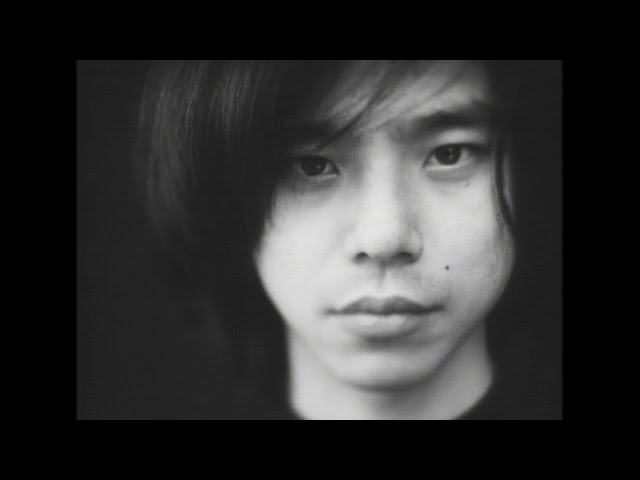
It’s a soul-stirring masterpiece that powerfully sings of passion for the future, even as it confronts everyday emptiness and loneliness.
Set against the backdrop of a city at dusk, it portrays the isolation and inner struggles of people living in the metropolis, while conveying a strong will to keep moving forward.
The impassioned vocals—so quintessentially Elephant Kashimashi—and the melody that sinks deep into the heart are beautifully in harmony.
Released in July 1997, the song was used as the theme for the Fuji TV drama “Tsuki no Kagayaku Yoru Dakara,” and was also included on the album “Ashita ni Mukatte Hashire – Tsukiyo no Uta.” In 2017, it was performed during the band’s first appearance on the Kōhaku Uta Gassen, capturing the hearts of even more listeners.
It’s a track that evokes deep empathy—one to listen to when you feel lost in life, or on nights when you’re thinking of someone dear.
Night of 15Ozaki Yutaka82rank/position

Released in December 1983 as Yutaka Ozaki’s debut single.
Over a beautifully arranged backing track, Ozaki’s lyrics and vocals feel like an outpouring of emotion, leaving a strong impression.
It’s also interesting that, outside the chorus, much of the singing takes on a semi-spoken quality.
Many listeners will deeply relate to the lyrics, so fussing over fine points of vocal technique when performing this song is pointless—just immerse yourself in its world and enjoy.
Message of RougeMatsutōya Yumi83rank/position

Rouge no Dengon, a famous song by Yumi Arai released in 1975, is a work that embodies the cheerful vibe of 1970s Japanese pop music, maintaining a bright and gentle tone throughout.
The vocal range is typical of Japanese pop, with a lowest note of mid1 G and a highest note of hi C.
Since the hi C appears twice in the chorus, if you’re not comfortable with falsetto, it’s a good idea to lower the key with this section in mind.
It’s a big hit at karaoke, so consider adding it to your repertoire.

Romantic Flightkome kome CLUB84rank/position

This is Kome Kome Club’s 10th single, released in April 1990.
It was used as the CM song for JAL’s Okinawa travel “JAL STORY Summer Rikyu Campaign” in 1990.
Just by listening, you can picture the beautiful summer scenery of Okinawa—it’s a track brimming with a refreshing vibe! As of November 2023, many people in their 50s likely heard this song in real time.
The vocal melody sits in a range that’s easy for most people to sing, so you can hum along casually.
For the higher notes in the chorus, try placing the sound toward the upper palate inside your mouth; it gives your tone a bit of sparkle, which I think helps recreate the original song’s freshness in karaoke.
Give it a try!