

[For People in Their 50s] Karaoke Songs That Get the Crowd Going: Ranking [2026]

The key to choosing songs at karaoke is whether they can liven up the atmosphere, right?
This time, we’ll introduce some upbeat karaoke songs that have been popular among people in their 50s.
We hope you find this helpful!
Give them a try.
- Karaoke Popularity Ranking by Generation [50s] [2026]
- [2026] Crowd-Pleasing Songs Recommended for People in Their 50s: A Collection of Nostalgic Classics
- [For People in Their 50s] Ranking of Easy-to-Sing Karaoke Songs [2026]
- [2026] Japanese karaoke songs that get men in their 50s pumped up
- Recommended for women in their 50s! A curated selection of classic and popular karaoke hits that will get the crowd going
- [For People in Their 60s] Karaoke Songs That Get the Crowd Going: Ranking [2026]
- [50s] Popular Song Ranking by Generation [2026]
- [For People in Their 40s] Karaoke Songs That Are Easy to Sing: 2026 Ranking
- [40s] Karaoke Crowd-Pleasers Ranking [2026]
- Karaoke songs that are easy to sing even if you’re not confident in your pitch (for women in their 50s)
- [2026] Recommended Japanese karaoke songs for men in their 50s
- [60s] Karaoke Popularity Rankings by Generation [2026]
- [50s] Popular Japanese Music / J-POP Rankings [By Generation]
[50s] Karaoke Crowd-Pleasers Ranking [2026] (21–30)
Suddenly, SinbadSazan Ōrusutāzu29rank/position

This song is the debut single by Southern All Stars, who have now become a truly legendary band, and it was released in 1978.
The title and the lyrics are largely unrelated; it’s said to quote the phrase “Katte ni Shinbad” from a Ken Shimura comedy bit that mashed up Kenji Sawada’s then-popular song ‘Katte ni Shiyagare’ and Pink Lady’s ‘Nagisa no Sindbad.’ It’s a real crowd-pleaser, so singing it at karaoke will never bring the mood down.
Highly recommended.

dragonflyNagabuchi Tsuyoshi30rank/position

It’s one of Tsuyoshi Nagabuchi’s signature songs, and you can feel a straightforward emotion of powerful determination coming through.
It drew attention as the theme song for the drama “Tonbo,” starring Nagabuchi himself, and it’s also well known that Kazuhiro Kiyohara used it as his entrance theme during his pro baseball days.
Centered on acoustic guitar, it’s a robust piece of folk rock whose raw, gritty sound evokes the image of a man’s clumsy way of life.
The lyrics, which seem to depict the struggles of a young person who has come to Tokyo from the countryside, are memorable, and the song conveys a sense of someone steeling their heart to overcome setbacks and keep moving forward.
It’s a nostalgic track that at the same time powerfully brings back the desperate determination of youth.

[50s] Karaoke Songs That Get the Crowd Going Ranking [2026] (31–40)
Pink sighTakahashi Mariko31rank/position
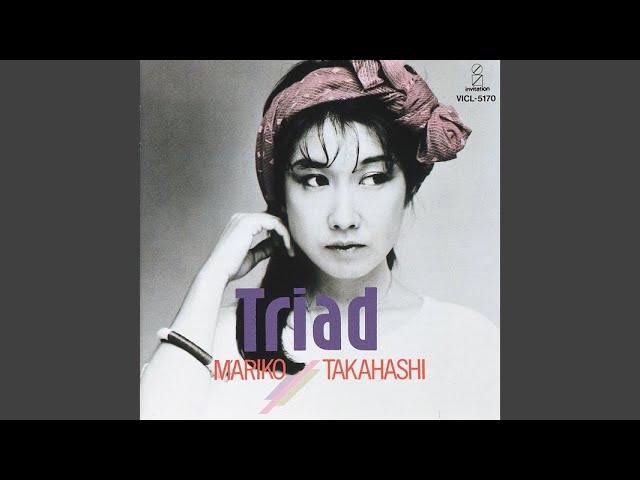
It is a masterpiece that fuses an exotic, Mediterranean-like atmosphere with an urban, sophisticated sound.
The song dreamily portrays a woman who blossoms like a flower when embraced by her lover, expressing both the beauty and the fragility of love.
Mariko Takahashi’s delicate yet powerful vocals further deepen the work’s unique world.
Released in May 1984 as the commercial song for Sanki’s “Camellia Diamond,” it was also included on the album Triad.
Highly acclaimed—including winning the Lyrics Award at the 26th Japan Record Awards—it became a long-running hit.
With a quiet mood that hints at hidden passion, this is a perfect track for spending peaceful moments with someone special.
My RevolutionWatanabe Misato32rank/position

It’s an iconic cheer song from the ’80s, and many people probably feel their hearts swell just by listening to it.
This track, which fuses Misato Watanabe’s powerful vocals with Tetsuya Komuro’s dramatic song structure, was released in January 1986 as her fourth single.
Chosen as the theme song for the TBS drama “Sailor-fuku Dori,” it became her first No.
1 on the Oricon charts.
The lyrics depict a strong resolve to change the future through one’s own strength, even in loneliness, stirring the hearts of many.
Also included on the album “Lovin’ you,” it remains a timeless classic that empowers those in their 50s—still in their prime at work and busy as parents—without losing any of its luster.
crimsonX JAPAN33rank/position

Among the songs created by X JAPAN, Japan’s world-renowned rock band, this track released in 1989 is a masterpiece that expresses the deep sorrow of love and parting.
Characterized by fierce energy and passionate performance, YOSHIKI’s dramatic piano parts and HIDE’s striking guitar solo shake the listener to the core.
Issued as a re-cut single from the album BLUE BLOOD, it has become an indispensable number in their live shows.
As a work that symbolizes X JAPAN’s musical identity, it has had a significant influence on later songs as well.
When singing it at karaoke, we recommend immersing yourself in its passionate worldview and pouring your emotions into it.
It’s a perfect song for releasing work and everyday stress.
Valentine KissKunikyo Sayuri34rank/position

Sayuri Kokusho, who debuted with Onyanko Club.
This is her big hit number, “Valentine Kiss.” Its simple lyrics and melody make it very easy to sing, and it became a huge hit at karaoke as well.
I’m sure many of you were completely charmed by the cute Kokusho.
It’s a very nostalgic number.

Dancing Hero (Eat You Up)Oginome Yōko35rank/position

This is Yoko Oginome’s seventh single, released in 1985.
At the time, she was a talented singing-and-dancing idol known for her short haircut and toned, curvy physique, scoring hit after hit with disco and Eurobeat-style tracks.
In 2017, the dance club of Tomioka High School performed it as a “bubble-era” dance, leading to a major revival hit.