

[50s] Popular Song Ranking by Generation [2026]

From this year’s generation-specific popular song rankings, we present the latest top 100 in one go, ordered by the number of views from people in their 50s!
By looking at the rankings, you can see what people in their 50s—who have accumulated a wealth of experience, still have plenty of energy, and have grown to understand others’ pain—were listening to at the time.
The playlist is updated weekly.
- Karaoke Popularity Ranking by Generation [50s] [2026]
- [2026] Crowd-Pleasing Songs Recommended for People in Their 50s: A Collection of Nostalgic Classics
- Coming-of-age songs for your 50s: heart-thumping × heartwarming classics and popular tracks [2026]
- [For People in Their 50s] Karaoke Songs That Get the Crowd Going: Ranking [2026]
- [50s] Popular Japanese Music / J-POP Rankings [By Generation]
- Recommended Japanese Music Artists and Popular Song Rankings for Men in Their 50s [2026]
- [40s] Popular Songs Ranking by Generation [2026]
- Ranking of Popular Band Songs Among People in Their 50s [2026]
- Ranking of Popular Japanese Pop (J-Pop) Artists Among People in Their 50s [2026]
- Good songs recommended for people in their 50s: classic and popular J-pop tracks.
- [2026 Edition] Songs Loved by People in Their 60s: Classic Hits from Their Youth
- Ranking of Popular Japanese Music and J-POP Artists Among People in Their 60s [2026]
- [2026] A collection of autumn songs for people in their 50s. Showa-era classics that bring back memories of those days
[People in their 50s] Popular Songs Ranking by Generation [2026] (81–90)
Unstoppable ha~haYazawa Eikichi86rank/position

Eikichi Yazawa, affectionately known as Eikichi “Ei-chan,” is still going strong as a full-fledged rock star in the 2020s.
His concerts are famous for the electric atmosphere—like the iconic “Ei-chan call”—and equally famous is the “towel throw.” Even people who aren’t particularly into Yazawa’s music have at least heard about fans tossing towels, right? The song that gave birth to this “towel throw” tradition is Stoppenai Ha~Ha (Can’t Stop Ha~Ha), released in 1986.
Its tight beat, hard-driving guitars, and instantly memorable hooks make it easy to imagine the live crowd going wild just by listening.
Naturally, it’s a surefire hit at karaoke gatherings for people in their 50s, so try recreating the Yazawa world by everyone twirling towels—within reason so you don’t bother those around you!

WON’T BE LONGBaburugamu Burazāzu87rank/position

The Bubblegum Brothers, who rose to popularity with entertainment-packed performances rooted in soul and funk, released their tenth single in August 1990—a track that perfectly distills their appeal.
Chosen as the ending theme for Fuji TV’s “Hit Studio R&N,” the song drew widespread attention after being featured on a television program in March 1991, ultimately becoming a massive hit with total sales of 1.7 million copies.
With its catchy sound—dubbed “living-room funk” for its friendly accessibility—and a shout that sticks in your head after just one listen, it remains a powerful classic beloved across generations.
TouchIwasaki Yoshimi88rank/position

When it comes to Yoshimi Iwasaki’s signature songs, this track is likely what many people think of.
Released on September 5, 1985, it became a major hit as the theme song for the anime of the same name.
The lyrics capture the bittersweet feelings of youth and the importance of human connection.
It’s also included on the album “Touch,” which features other anime-related tracks.
The melody has an easy rhythm and relatively small pitch changes, making it very singable.
It’s a karaoke staple, so it’s a great choice when you’re out with people of various generations.
It’s the perfect song for anyone who wants to reminisce about their youthful days.
RUNNERbakufū suranpu89rank/position

A heart-stirring anthem of encouragement themed around a track-and-field team, depicting young people who keep running with single-minded devotion.
Released in October 1988, it’s a medium-tempo rock number by Bakufu Slump.
Powerfully interwoven are its strong guitar riffs, exhilarating sense of speed, and the passionate vocals of Mr.
Sunplaza Nakano.
Featured as an insert song on the TV show “Tensai! Takeshi no Genki ga Deru TV,” it became a major hit, reaching No.
6 on the Oricon weekly chart.
Through evocative scenes that summon memories of youth, the song gently sings of bonds with friends and hope for the future.
A gem of a track that stands beside anyone about to take a new step forward.
Pink sighTakahashi Mariko90rank/position
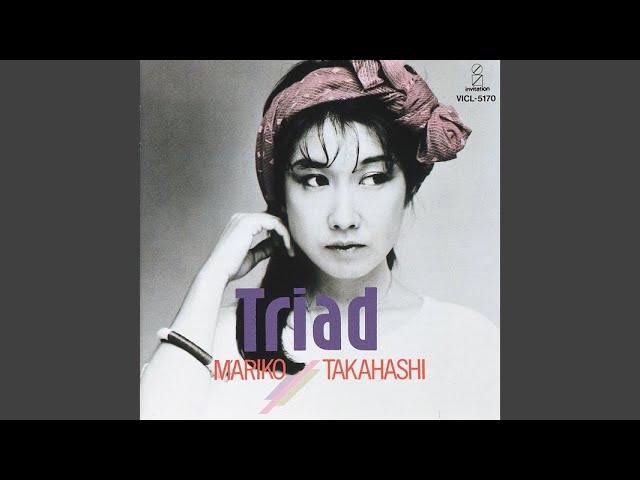
Mariko Takahashi’s classic “Momoiro Toiki.” It features a distinctly exotic melody and, while it carries elements of mood kayō (mood enka), it also incorporates contemporary J-pop characteristics.
The piece sits within a relatively narrow vocal range of mid1 G# to high C.
Since the most frequent pitch is around mid2 G#, most women should be able to sing it without difficulty.
As the song prioritizes mood, it’s recommended to sing with careful dynamics.
If a phrase ends with a consonant, letting it fade out as a voiceless sound can be an effective touch.
