

[50s] Popular Song Ranking by Generation [2026]

From this year’s generation-specific popular song rankings, we present the latest top 100 in one go, ordered by the number of views from people in their 50s!
By looking at the rankings, you can see what people in their 50s—who have accumulated a wealth of experience, still have plenty of energy, and have grown to understand others’ pain—were listening to at the time.
The playlist is updated weekly.
- Karaoke Popularity Ranking by Generation [50s] [2026]
- [2026] Crowd-Pleasing Songs Recommended for People in Their 50s: A Collection of Nostalgic Classics
- Coming-of-age songs for your 50s: heart-thumping × heartwarming classics and popular tracks [2026]
- [For People in Their 50s] Karaoke Songs That Get the Crowd Going: Ranking [2026]
- [50s] Popular Japanese Music / J-POP Rankings [By Generation]
- Recommended Japanese Music Artists and Popular Song Rankings for Men in Their 50s [2026]
- [40s] Popular Songs Ranking by Generation [2026]
- Ranking of Popular Band Songs Among People in Their 50s [2026]
- Ranking of Popular Japanese Pop (J-Pop) Artists Among People in Their 50s [2026]
- Good songs recommended for people in their 50s: classic and popular J-pop tracks.
- [2026 Edition] Songs Loved by People in Their 60s: Classic Hits from Their Youth
- Ranking of Popular Japanese Music and J-POP Artists Among People in Their 60s [2026]
- [2026] A collection of autumn songs for people in their 50s. Showa-era classics that bring back memories of those days
[50s] Popular Songs Ranking by Generation [2026] (91–100)
A Midsummer Night’s DreamMatsutōya Yumi91rank/position

Here is a song by Yumi Matsutoya, released in 1993, brimming with a Latin mood.
It became the theme song for the much-talked-about drama “Dare ni mo Ienai” (I Can’t Tell Anyone).
Perhaps thanks to the synergy between this striking track—which marked a slight departure from her usual style—and the drama’s success, it reached No.
1 on the Oricon Weekly Singles Chart for the first time in 17 years since “Ano Hi ni Kaeritai,” and became her first million-selling single.
Even now, with time having passed, it doesn’t feel like an oldie; it’s a song that still sounds fresh.

You’re My Only Shinin’ StarNagayama Miho92rank/position

It’s a romantic ballad that beautifully portrays a moonlit scene.
The song weaves feelings of a miraculous encounter and a vow of eternal love together with a gentle melody.
Under the starry sky, it’s a graceful tale that will resonate in your heart, making you want to listen while thinking of the one you love.
Miho Nakayama’s clear, translucent voice tenderly embraces an emotionally rich world that spins a story of everlasting love.
Released in February 1988 and crafted by Toshiki Kadomatsu, the piece reached No.
1 on the Oricon charts.
It also left a strong impression as an insert song for the TBS drama “Mama wa Idol!” starring Nakayama, and won the Japan Record Awards Gold Prize.
It’s recommended for moments when you want to step away from the busyness of daily life and savor your gratitude for someone special.
Why not spend a calm moment immersing yourself in this heartwarming, gentle love story?
Music HourPorunogurafiti93rank/position

The two-member rock band PornoGraffitti quickly drew attention when their major-label debut single “Apollo” became an unexpected hit.
Their third single, “Music Hour,” which was used in Otsuka Pharmaceutical’s Pocari Sweat commercial, remains a staple in their live shows to this day.
With its catchy melody and comical lyrics, it’s sure to liven up any karaoke session no matter who you’re with.
It’s especially recommended for men in their 50s, who are the band’s generation, but since the key is high, be sure to adjust it to suit your voice.

Give Up on SummerNaoko Ken94rank/position
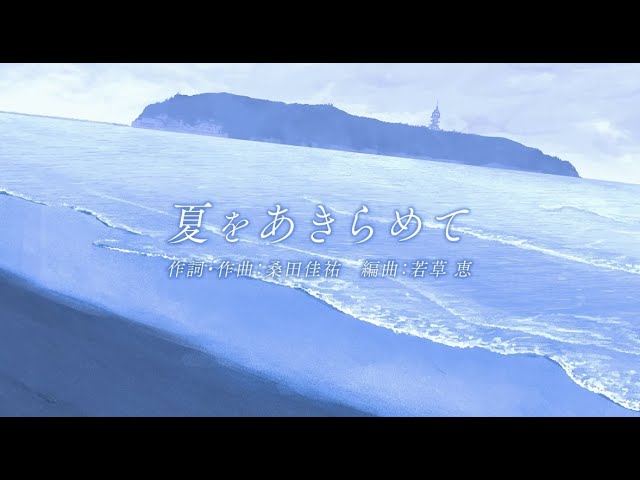
This song, which depicts a melancholy love story on a gloomy rainy day sung by Naoko Ken, was originally by Southern All Stars.
Ken released it as a cover in September 1982.
Her wistful vocals beautifully capture seaside scenery and the poignancy of summer’s end.
The tender way she sings, in a husky voice, about the wavering hearts of a couple caught in a sudden downpour and the fragility of love is deeply moving.
After its release, the song reached No.
5 on the Oricon weekly chart and won the Gold Prize at the 24th Japan Record Awards in 1982.
It was also performed at the 33rd NHK Kōhaku Uta Gassen that same year.
With its relaxed tempo, it’s pleasantly immersive, drawing you into Ken’s distinctive world.
It’s a classic that’s perfect for those who want to enjoy a smooth, subdued atmosphere in karaoke.
River of Ten Thousand MilesCHAGE and ASKA95rank/position

The 3rd single “Banri no Kawa,” which marked their first-ever entry into the Oricon Weekly Top 10.
Its lyrical words and melodically oriental atmosphere evoke a sense of nostalgia just by listening.
The melody line, reminiscent of folk songs and enka, is simple and easy to sing, but be careful—the fast melody in the chorus makes it tricky to keep pitch.
With an ensemble that conveys a wistful mood and feels pleasant to the ear, it’s a number that’s enjoyable to sing at karaoke as well.