

[40s] Karaoke Popularity Ranking by Generation [2026]

We’re excited to present the latest Karaoke Rankings for the 40s age group, listed in order of most views! From classic hits of the ’90s to songs that made waves in the 2000s, the genres are diverse, showing that people in their 40s enjoy a wide range of music.
Why not use this ranking as a reference for your next karaoke session? The playlist is updated weekly.
- [For People in Their 40s] Karaoke Songs That Are Easy to Sing: 2026 Ranking
- [40s] Karaoke Crowd-Pleasers Ranking [2026]
- [2026 Edition] Karaoke Songs That Will Get the Crowd Going—Perfect for Women in Their 40s
- [For men in their 40s] That nostalgic song you can enjoy at karaoke!
- Recommended Japanese pop songs for karaoke for men in their 40s
- Karaoke Popularity Ranking by Generation [50s] [2026]
- Easy-to-sing karaoke songs: Classic picks for women in their 40s
- [40s] Popular Songs Ranking by Generation [2026]
- [30s] Karaoke Popularity Ranking by Generation [2026]
- [Women in Their 40s] Even If You’re Tone-Deaf, You Can Sing! Karaoke Songs That Fit a Woman’s Vocal Range
- [For People in Their 50s] Ranking of Easy-to-Sing Karaoke Songs [2026]
- [For People in Their 50s] Karaoke Songs That Get the Crowd Going: Ranking [2026]
- [For Women in Their 40s] A Collection of Songs That Score High at Karaoke [2026]
[40s] Karaoke Popularity Rankings by Generation [2026] (61–70)
KanadeSukima Suichi64rank/position

Sukima Switch’s classic “Kanade” gets as high as A#4 toward the latter half, so it may seem difficult, but the first half stays in the low–mid range (D3–A#4), making it a great choice for lower-voiced women as well.
It’s a song almost everyone knows, so it’s definitely one to add to your repertoire! If you’re not used to the chorus range yet, it’s fine to lower the key a bit.
It’s absolutely better to sing in a key that’s comfortable for you than to force the original key, so try finding the key that suits your voice.
The key point is to sing gently.

astronomical observationBUMP OF CHICKEN65rank/position

This is BUMP OF CHICKEN’s third single, released in March 2001.
It was used as an insert song in the drama “Tentaikansoku” (Stargazing).
While there are many key points to master if you really delve into the singing, the melody itself is crafted to be easy and fun to hum along to.
So even people who don’t sing often can casually pick it at karaoke and enjoy it.
For men in their 40s, I bet quite a few of you covered this song in a band back when you were in your teens or twenties.
Go back to those younger days and enjoy belting it out to your heart’s content.

Pink sighTakahashi Mariko66rank/position
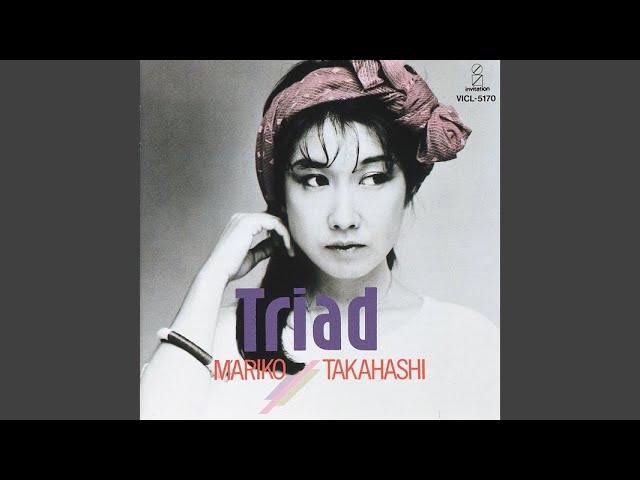
It is a masterpiece that fuses an exotic, Mediterranean-like atmosphere with an urban, sophisticated sound.
The song dreamily portrays a woman who blossoms like a flower when embraced by her lover, expressing both the beauty and the fragility of love.
Mariko Takahashi’s delicate yet powerful vocals further deepen the work’s unique world.
Released in May 1984 as the commercial song for Sanki’s “Camellia Diamond,” it was also included on the album Triad.
Highly acclaimed—including winning the Lyrics Award at the 26th Japan Record Awards—it became a long-running hit.
With a quiet mood that hints at hidden passion, this is a perfect track for spending peaceful moments with someone special.
HELLOFukuyama Masaharu67rank/position

The song “HELLO,” distinguished by its acoustic guitar, is a hit released by Masaharu Fukuyama in the 1990s.
It also gained popularity as a TV drama theme song, and its appeal can be summed up in its pleasant melodic line.
Brimming with positive energy, the lyrics carry a power that moves many people.
Loved by a wide range of ages, this track is also recommended as a karaoke staple.
It’s easy to sing, and its melody—something everyone hums at least once—has a timeless, universal charm.
Tomorrow Never knowsMr.Children68rank/position
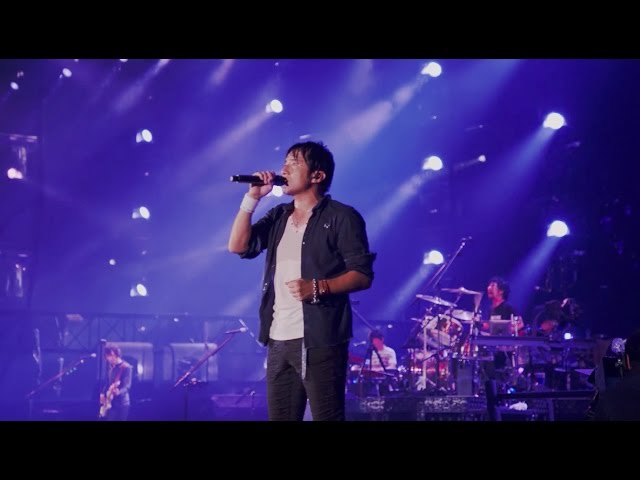
A song by Mr.Children, released in 1994, that changed the band’s destiny.
It portrays inner conflict and hope for the future, giving courage to everyone who listens.
It’s striking in the way it conveys the importance of finding your own path and moving forward with hope.
Its appeal lies in the powerful message of pressing on toward the future without yielding to any hardship.
Chosen as the theme song for “Wakamono no Subete,” it became their biggest hit single and had a major impact on the music scene of the time.
A masterpiece recommended for those struggling with worries or in need of courage.
Nameless PoemMr.Children69rank/position
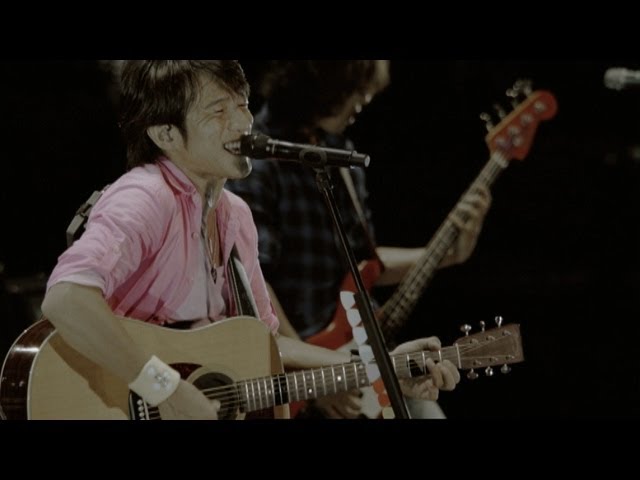
Mr.Children, popularly known as “Misuchiru,” have a massive hit song called “Namonaki Uta” (“A Nameless Song”).
It was used as the theme song for the Fuji TV drama “Pure,” so some men in their 40s who watched the show at the time may remember it.
The song features tongue-twister-like lyrics, and many people probably recall memorizing that part perfectly for karaoke.
Since Misuchiru are popular across generations, you can’t go wrong choosing this song for karaoke.

Swaying feelingsZARD70rank/position

When it comes to ZARD’s signature songs, many people would probably name this one.
Included on the album “Yureru Omoi,” released in July 1993, this track is characterized by Izumi Sakai’s clear, airy vocals and a melody that resonates with the heart.
The lyrics Sakai weaves delicately portray the wavering feelings of being in love, and the song has long been cherished for how it gently accompanies listeners’ emotions.
Its refreshing atmosphere—evoking memories of summer—is another part of its appeal.
It’s perfect as background music for a drive or for singing at karaoke.
It’s also recommended for people in their 40s who want to reminisce about those days, as it’s a song that lets you feel a pleasant summer breeze along with a touch of nostalgia.