

[40s] Karaoke Popularity Ranking by Generation [2026]

We’re excited to present the latest Karaoke Rankings for the 40s age group, listed in order of most views! From classic hits of the ’90s to songs that made waves in the 2000s, the genres are diverse, showing that people in their 40s enjoy a wide range of music.
Why not use this ranking as a reference for your next karaoke session? The playlist is updated weekly.
- [For People in Their 40s] Karaoke Songs That Are Easy to Sing: 2026 Ranking
- [40s] Karaoke Crowd-Pleasers Ranking [2026]
- [2026 Edition] Karaoke Songs That Will Get the Crowd Going—Perfect for Women in Their 40s
- [For men in their 40s] That nostalgic song you can enjoy at karaoke!
- Recommended Japanese pop songs for karaoke for men in their 40s
- Karaoke Popularity Ranking by Generation [50s] [2026]
- Easy-to-sing karaoke songs: Classic picks for women in their 40s
- [40s] Popular Songs Ranking by Generation [2026]
- [30s] Karaoke Popularity Ranking by Generation [2026]
- [Women in Their 40s] Even If You’re Tone-Deaf, You Can Sing! Karaoke Songs That Fit a Woman’s Vocal Range
- [For People in Their 50s] Ranking of Easy-to-Sing Karaoke Songs [2026]
- [For People in Their 50s] Karaoke Songs That Get the Crowd Going: Ranking [2026]
- [For Women in Their 40s] A Collection of Songs That Score High at Karaoke [2026]
[40s] Karaoke Popularity Rankings by Generation [2026] (51–60)
HANABIMr.Children57rank/position

Mr.
Children’s “HANABI,” known for being chosen as the theme song of the smash-hit TV drama Code Blue: Doctor Heli Emergency Lifesaving.
Men in their 40s may have no end of daily worries, but listening to this song might give you courage.
Mr.
Children are a karaoke staple among staples, so you can hype things up with people of any generation! Try savoring and singing the memorable lines in the chorus.
It’s a song that really gets everyone excited when sung together.

Love will winKAN58rank/position

This was KAN’s 8th single, released in September 1990.
It was originally used as the ending theme for TV Asahi’s “Quiz Omoshiro TV,” but after being featured as an insert song on Fuji TV’s “Yamachan’s Yamada Katsutenai TV,” it gained popularity and became a record-breaking long seller.
If you’re in your 40s, you probably experienced this hit in real time.
The melody is very familiar and easy to remember, so I imagine many people recall it vividly along with their memories from that time.
The tune is approachable, with no particularly difficult high or low notes, and the rhythmic pattern is simple, making it a great choice for those who aren’t confident singers to pick for karaoke.
There aren’t any especially tricky parts—so just sing it with energy and get the crowd going!

I won’t fall in love anymore.Makihara Noriyuki59rank/position
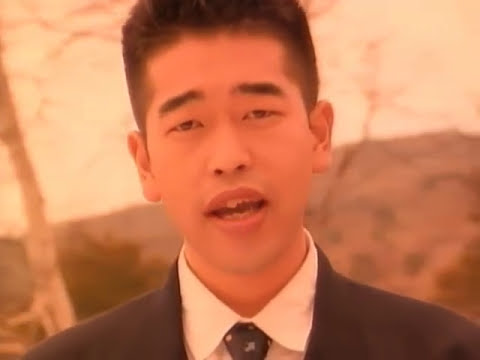
A signature song by Noriyuki Makihara, distinguished by its heartwarming melody that embraces both the ache of heartbreak and a brave front.
It gently portrays memories of a former lover and the nostalgia of everyday life, while the protagonist’s resolve to move forward resonates deeply with listeners.
Released in May 1992, it was chosen as the theme song for the NTV drama “After the Children Are Asleep.” Included on the album “Kimi wa Boku no Takaramono,” it became a major hit, ranking 7th on Oricon’s year-end chart.
This piece is a companion for those standing at life’s crossroads.
When you gather with friends for karaoke, its universally relatable lyrics and melody are sure to warm the heart.
Like when we first metEvery Little Thing60rank/position

For many women now in their 40s who spent their teenage years to early twenties in the mid-to-late 1990s, Every Little Thing holds a special place.
Back then, plenty of people imitated Kaori Mochida’s fashion and hairstyles.
ELT’s classic songs are still hugely popular at karaoke even in the Reiwa era, but if you’re aiming for a high score, we recommend the 1997 hit “Deatta Koro no You ni.” Its quintessential late-’90s Avex-style sound and melody make it very easy to sing, and since there aren’t any tricky sections, it’s less likely you’ll go off-pitch.
The overall key is on the higher side, so if you have a lower voice, try adjusting the key to suit you before singing.

[40s] Karaoke Popularity Rankings by Generation [2026] (61–70)
appearsHamasaki Ayumi61rank/position

If you came of age in the late 1990s to early 2000s, there’s a good chance you looked up to Ayumi Hamasaki as a role model.
In Japan’s music scene, she ranks first among female solo artists in total CD sales, and with her charismatic presence—including her fashion—she sparked the “Ayu” boom.
Many of her songs feature soaring high tones one after another, which might make some people feel hesitant about singing them.
For those people, we recommend “appears,” released in 1999.
Compared to her other tracks, its melody has fewer wide interval jumps, so even those with lower voices will find it easier to sing at karaoke if they adjust the key.
era; age; time; periodNakajima Miyuki62rank/position

This is a single by singer-songwriter Miyuki Nakajima.
The original version was released in December 1975, but the one I’m introducing today is the self-cover version released in December 1993.
The song has been used as the theme for many TV shows and in commercials, and it has been covered by numerous other artists, so many of you have probably heard it before.
As you’d expect from such a well-known piece, both the melody and the lyrics are highly memorable, and it feels like something you can enjoy singing along to casually.
Even in the gentler passages, try to sing with solid projection so that your voice retains its core.
That’s important.Daiji MAN Burazāzu Bando63rank/position

DaijiMAN Brothers Band, a group that gained popularity for their catchy musicality.
They’re known as a so-called one-hit wonder, but the fact that they left behind even a single classic like “Sore ga Daiji” is remarkable.
The song is a straightforward cheer anthem, and its melody matches the lyrics perfectly—simple and direct, without relying on intricate techniques.
That’s why even women in their 40s who may find it harder to project their voices should be able to sing it without any trouble.
It’s also a song of its generation, so it should really liven up the room at karaoke!
