

Gustav Holst Popular Song Rankings [2026]

An English composer who wrote the orchestral suite The Planets.
While working as a music teacher, he also composed, with many of his works being for choir.
Here is a ranked introduction to popular pieces by Gustav Holst, who continued composing until the end of his life at age 59.
- Holst’s Piano Pieces: Masterworks for Piano by the Composer of the Suite The Planets
- Edward Elgar Popular Song Rankings [2026]
- [Masterpiece Classics] A special showcase of gem-like masterpieces so beautiful they’ll move you to tears
- Jean Sibelius Popular Songs Ranking [2026]
- Gustav Lange Popular Song Rankings [2026]
- Jacques Ibert Popular Song Ranking [2026]
- Handel’s Masterpieces | A Comprehensive Introduction to His Popular Works
- Gustav Mahler Popular Songs Ranking [2026]
- William Walton Popular Songs Ranking [2026]
- Igor Stravinsky Popular Songs Ranking [2026]
- Rimsky-Korsakov Popular Songs Ranking [2026]
- Edvard Grieg Popular Song Rankings [2026]
- George Frideric Handel Popular Songs Ranking [2026]
Gustav Holst Popular Song Rankings [2026] (11–20)
Suite ‘The Planets’, Op. 32, H.125: No. 2 ‘Venus, the Bringer of Peace’Gustav Holst11rank/position

The second movement of The Planets, Venus, the Bringer of Peace, exudes a gentle, otherworldly atmosphere.
Composer Gustav Holst had already begun attempting composition in his teens, and in The Planets—his emblematic work—he expressed the astrological character of each planet through music.
This piece features beautifully delicate melodies in the harp and flute, and its impressionistic tone suggests a goddess symbolizing peace and love.
Its serene character pairs well with the piano’s timbre, making it popular in solo and ensemble piano arrangements.
True to Holst’s dedication to music education, it’s also a highly recommended piece for newcomers to classical music.
Mars, from The Planets (suite)Gustav Holst12rank/position
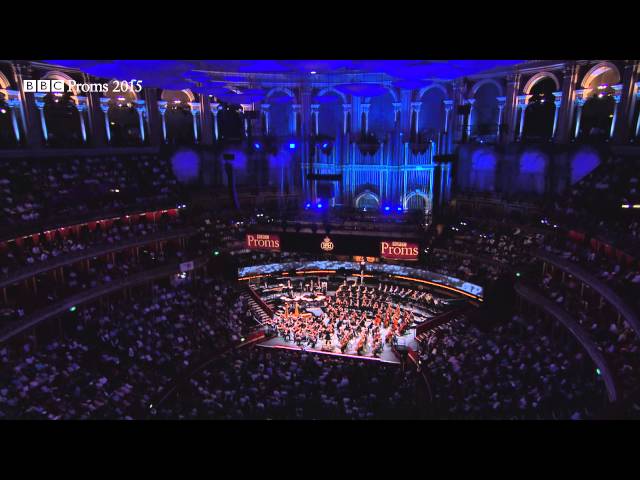
The first movement of The Planets, composed by Gustav Holst.
Written between 1914 and 1916, it was influenced by World War I.
It portrays Mars, the god of war, featuring intense rhythms and powerful brass.
The tense music vividly depicts the terror and destruction of war, leaving a strong impression on listeners.
It’s perfect for creating a spooky atmosphere at a Halloween party or for enjoying music with cinematic impact like a film soundtrack.
Two Pieces, H.179: No. 1 “Nocturne”Gustav Holst13rank/position

Gustav Holst, a composer who epitomizes early 20th-century Britain, created the piano work Two Pieces, H.179.
The first piece, Nocturne, is characterized by its quiet and gentle atmosphere.
Delicate, emotionally rich expressions are woven throughout, and its music—evoking the stillness and peace of night—moves the listener’s heart.
With its unhurried tempo and soft sonorities, this is a classic that every piano student will want to play at least once.
Even beginners, with steady practice, can deliver a moving performance.
Immerse yourself in Holst’s profound worldview and try bringing this piece to life through your own playing!
Two Pieces, H.179: No. 2 “Gigue”Gustav Holst14rank/position
Two Pieces for Piano by Gustav Holst, a leading British composer of the early 20th century.
The second piece, titled “Jig,” is characterized by a rhythmic style that feels as if one were dancing.
Its lively melody has a highly addictive charm that lingers in the ear.
Blending Holst’s characteristically refined harmonies with melodies reminiscent of English folk songs, this work shines when you bring out clear contrasts in dynamics.
Technically it’s not particularly difficult, making it a piece I can recommend to a wide range of players, from beginners to advanced musicians.
Two Fragments of Folk Songs, Op. 46-2, H.166: No. 1 “O I Hae Seen the Roses Blaw”Gustav Holst15rank/position

The first piece, “O I Hae Seen the Roses Blaw,” from Gustav Holst’s late-period piano work Two Folk Tune Sketches, Op.
46 No.
2, H.166, is characterized by a spare and rigorous style rooted in his unique musical outlook.
In this work, melodies based on English folk tunes unfold with a deep affection for nature and culture.
From the main theme shines an expressive quality rich in emotion, evoking vivid landscapes.
Holst’s music is recommended not only for classical music enthusiasts but also for those who love British tradition and nature.
Why not experience the scent of Britain through this performance?
Two Folk Song Fragments, Op. 46-2, H. 166: No. 2 “The Shoemaker”Gustav Holst16rank/position

The second piece, “The Shoemakker,” from Two Fragments of Folk Tunes composed by the British classical composer Gustav Holst, is a piano work that skillfully incorporates folk-song melodies.
Its sprightly rhythm and lively character evoke the rhythmic handiwork of a cobbler at work.
Holst was inspired by English folk music and left many such works; this piece is one of them.
It offers a tasteful reinterpretation of the simple beauty of folk songs from Holst’s unique perspective.
It’s a work I highly recommend to anyone looking to become more familiar with classical piano.
In The Bleak MidwinterGustav Holst17rank/position

This is a piano solo piece based on a Christmas carol inspired by the poem of British poet Christina Rossetti.
It has even been called the finest Christmas carol, and its somewhat wistful, aching melody brings a feeling of cleansing to the heart.
JupiterGustav Holst18rank/position
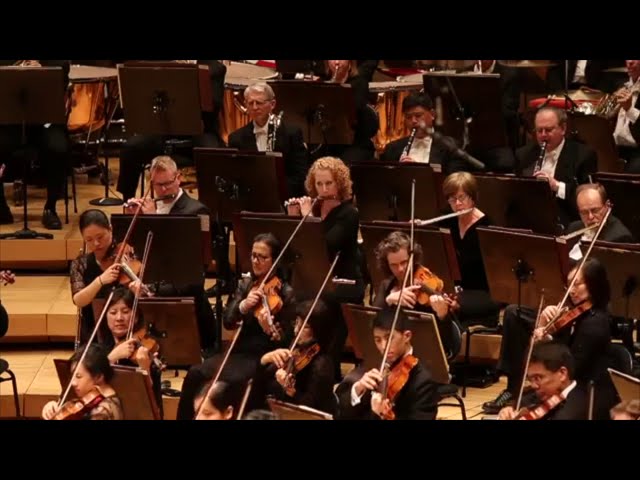
This is one of Gustav Holst’s most celebrated works, known as the fourth movement of his suite The Planets.
Premiered in September 1918, it may be especially memorable to many because Mai Mihara used it for her free program in women’s figure skating.
Beginning with a lively rhythm and unfolding in the middle into the grand melody also known as “I Vow to Thee, My Country,” its structure is perfectly suited to a dramatic performance.
In the past, Shizuka Suguri and Satoko Miyahara have also used it, and its expansive scale that seems to envelop the entire rink is part of its appeal.
When this melody plays in the latter half of a program, in the most demanding moments, you can’t help but feel its powerful support for the skater.
It is a piece that is solemn yet somehow warmly comforting.
Somerset Rhapsody, Op. 21 No. 2Gustav Holst19rank/position

A quintessential work by early 20th-century composer Gustav Holst, Orchestral Rhapsody “A Somerset Rhapsody, Op.
21 No.
2.” This early masterpiece by Holst richly reflects the influence of English folk songs.
It vividly depicts the beautiful landscapes of Somerset, England, and the deep emotions of the people who live there, evoking scenes of old, idyllic England.
Beginning with the gentle timbre of the oboe, the way various instruments intertwine as the piece builds is nothing short of breathtaking.
Among Holst’s works, this particularly British-sounding piece offers a nostalgic warmth—please take your time and savor this gem.
Toccata in C major, H.153Gustav Holst20rank/position

Toccata in C major, H.153 is a piano piece composed in 1924 by the British composer Gustav Holst.
Based on a Northumberland folk song, it is also known as a dedication to his close friend Adine O’Neill and her students.
Energetic and rhythmic, the piece highlights Holst’s distinctive sense of harmony and handling of melody, allowing listeners to appreciate both his technical prowess and emotional expression.
Although Holst is best known for large-scale orchestral works, this Toccata offers a glimpse of his more intimate side—a challenging yet captivating work for pianists.