

Handel’s Masterpieces | A Comprehensive Introduction to His Popular Works

George Frideric Handel, a composer who epitomizes Baroque music.
He poured his passion into dramatic works, composing many operas and oratorios.
Alongside his contemporary Bach, he made his mark as a master of the Baroque, but Handel’s hallmark is his dramatic expressiveness and moving melodies, crafted for a broad audience.
Some of his pieces are used as background music in variety shows and visual media, so even those not familiar with classical music may have heard his works at least once.
Experience the richly emotional world of his music for yourself.
Handel’s Masterpieces | A Comprehensive Introduction to His Popular Works (1–10)
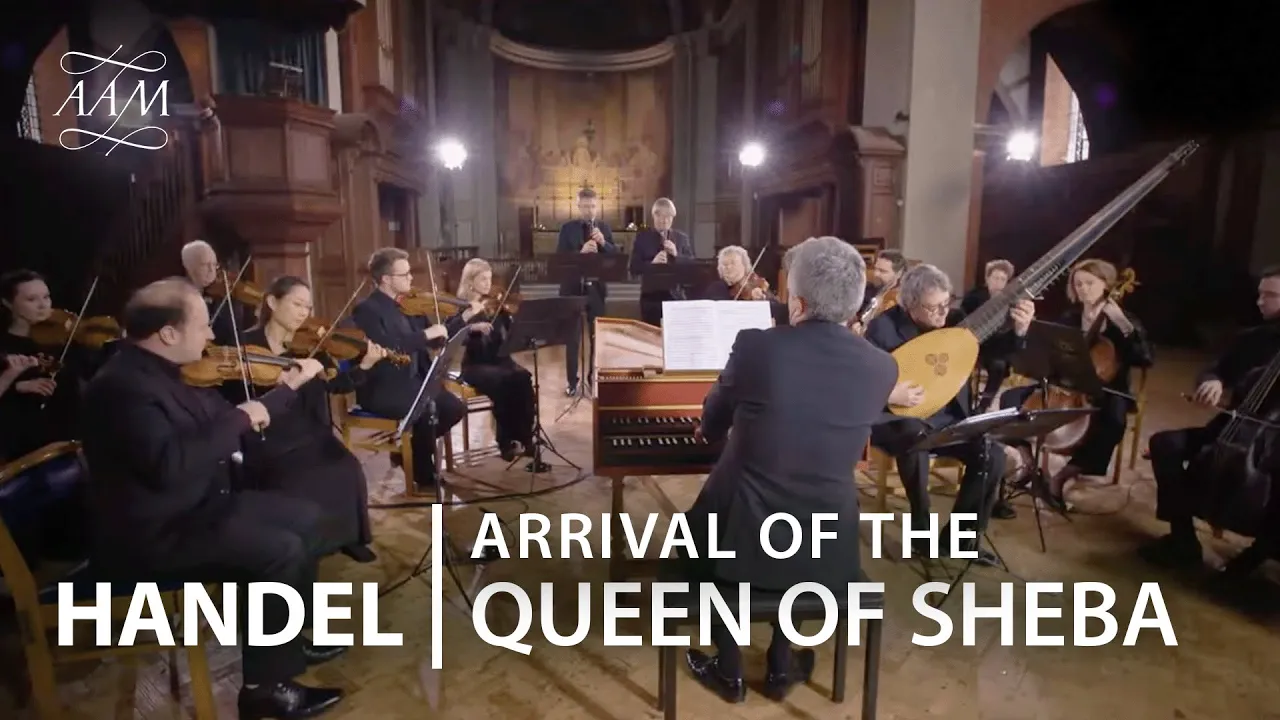
Arrival of the Queen of Sheba from the oratorio “Solomon”Georg Friedrich Händel

Composed in 1748, Solomon is a grand oratorio based on the Old Testament.
One of its pieces, The Arrival of the Queen of Sheba, is a short instrumental work of about three minutes performed at the beginning of Act III.
It depicts the queen’s entrance and is a dazzling piece in which she is welcomed with music and dance.
With the clear rhythms and lively melodies characteristic of Baroque music, it has long been popular as background music in films and television.
It is also a favorite for wedding celebrations—brilliant and easy to enjoy.
Lascia ch’io pianga (Let me weep) from the opera RinaldoGeorg Friedrich Händel

One of the opera arias that the German-born Handel first presented publicly after coming to England.
It is sung in a scene where the heroine Almirena, captured by the enemy, laments her unhappy fate while thinking of her beloved Rinaldo.
Its beautifully melancholy melody has been used as the theme music for various television dramas and has become widely known in Japan.
Overture from Music for the Royal FireworksGeorg Friedrich Händel

This piece was performed in Britain in 1749, the year after the War of the Austrian Succession ended.
It consists of four movements, in which the brass instruments resoundingly convey vigor, splendor, and the joy of victory.
Organ Concerto No. 13 “The Cuckoo and the Nightingale”Georg Friedrich Händel

An organ concerto first unveiled in 1739 to coincide with the premiere of the oratorio Israel in Egypt.
Comprising four movements, it is a light and charming work in which the calls of the cuckoo and the nightingale are skillfully rendered on the organ.
“Hallelujah Chorus” from the oratorio “Messiah”Georg Friedrich Händel
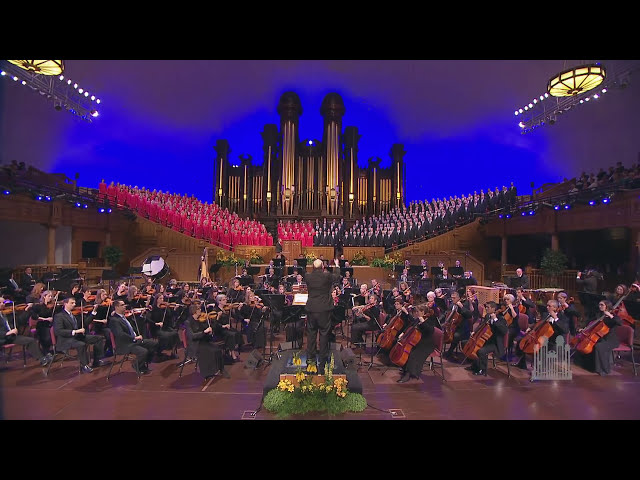
Among Handel’s sacred works, this is one of the most widely known pieces, premiered in 1743 before King George II.
According to legend, the king was so moved by the Hallelujah Chorus that he rose to his feet in applause, an episode often cited as a precursor to the modern standing ovation.
Alla Hornpipe, No. 2 from Water Music Suite No. 2Georg Friedrich Händel

An orchestral piece that can be considered one of Handel’s signature works.
“Alla Hornpipe” means “in a folk-dance style.” Handel originally served at the court in Hanover, Germany, but he ignored orders to return and remained in England.
There is a story that when his former patron later came to England as king, Handel composed Water Music to curry favor with him.
The Sprightly BlacksmithGeorg Friedrich Händel

Originally the finale “Air and Variations” from the Harpsichord Suite No.
5 in E major, it is widely known as “The Harmonious Blacksmith.” Today it is famous as a piano piece.
Comprising five variations, it becomes progressively more brilliant as it proceeds, delighting the listener’s ear.