

Handel’s Masterpieces | A Comprehensive Introduction to His Popular Works

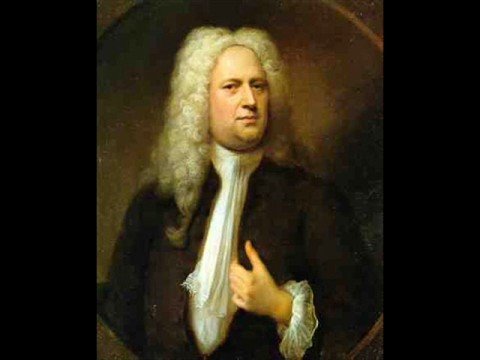
George Frideric Handel, a composer who epitomizes Baroque music.
He poured his passion into dramatic works, composing many operas and oratorios.
Alongside his contemporary Bach, he made his mark as a master of the Baroque, but Handel’s hallmark is his dramatic expressiveness and moving melodies, crafted for a broad audience.
Some of his pieces are used as background music in variety shows and visual media, so even those not familiar with classical music may have heard his works at least once.
Experience the richly emotional world of his music for yourself.
- Handel Popular Songs Ranking [2026]
- [Masterpiece Classics] A special showcase of gem-like masterpieces so beautiful they’ll move you to tears
- [Handel's Piano Pieces] A selection of famous works by the Baroque master
- George Frideric Handel Popular Songs Ranking [2026]
- [Haydn] Pick up famous and representative pieces!
- Georg Friedrich Handel Popular Songs Ranking [2026]
- Vivaldi’s masterpiece. Popular classical music.
- [Baroque Music] A Curated Selection of Timeless Masterpieces and Famous Works
- Famous pieces recommended for opera beginners. Recommended opera songs.
- J.S. Bach | Introducing Famous and Representative Works
- [Violin] A curated selection of beloved classic masterpieces and popular pieces that continue to be cherished across eras
- [Classical Music] A carefully curated selection of masterpieces born in the pivotal era that bridged the Baroque and Romantic periods
- Classical piano masterpieces: legendary performances from around the world you should hear at least once
Handel’s Masterpieces | A Comprehensive Introduction to His Popular Pieces (41–50)
Hallelujah from the oratorio MessiahGeorg Friedrich Händel
Handel’s Messiah is a masterpiece of oratorio that stands alongside Bach’s St.
Matthew Passion, and it is famous in European concerts for the audience giving a standing ovation during the “Hallelujah Chorus.” This custom stems from the British tradition of standing when songs praising God are performed.
Handel’s Masterpieces | A Comprehensive Introduction to Popular Works (51–60)
Come Again to Please Me (from the opera “Alcina”)Georg Friedrich Händel

The dazzlingly beautiful “Tornami a vagheggiar,” which sings of the feeling of love, is a famous da capo aria from one of the masterworks of opera by the great Baroque composer George Frideric Handel, Alcina.
“Messiah” Hallelujah ChorusHenderu


This piece, resounding with a magnificent chorus, adds a touch of splendor to household chores.
Its exhilarating melody brings energy to everyday tasks like cleaning and laundry.
Known as one of Handel’s signature works, it has been used in many television commercials.
The work premiered in Dublin on April 13, 1742, to great acclaim.
Because it makes cleaning more enjoyable, listening while you tidy up can boost your motivation and leave you with a unique sense of accomplishment by the time you finish.
It is also a popular piece performed at religious occasions such as Christmas and Easter.
“Ombra mai fu” from the opera “Xerxes”Georg Friedrich Händel

An aria from Act I of Handel’s opera Xerxes.
King Xerxes I of Persia, resting comfortably in the shade of a tree, sings of his love for the plane tree’s shade, declaring that never before has there been such dear, gentle, and pleasant shade.
It’s a piece that evokes dappled sunlight, a gentle breeze, and the enveloping comfort of a soothing canopy of leaves.

“Alla Hornpipe” from Water MusicGeorg Friedrich Händel

One piece from the orchestral suites composed by George Frideric Handel in 1717.
Said to have been written for a boating party on the River Thames, this work is characterized by its bright and splendid melodies.
In a dance-like movement featuring trumpets and horns, its lively, rhythmic character is striking.
It is frequently performed at weddings and celebrations, and is widely used as background music in films and television.
It’s also perfect as graduation ceremony BGM, especially for entrance scenes where you want to create a festive atmosphere.
Highly recommended for those who wish to celebrate a new beginning with a cheerful, forward-looking spirit.
Oratorio “Messiah” Part II, No. 23 “Hallelujah”Georg Friedrich Händel

Hallelujah,” one of the most beloved pieces from the masterful oratorio Messiah by Georg Friedrich Handel, a genius composer of the Baroque era.
This majestic chorus crowns the final part of the grand narrative depicting Christ’s birth, Passion, and Resurrection.
Its powerful lyrics, drawn from Scripture, praise God’s omnipotence and eternal reign, expressing worship and reverence.
Stirring the soul through its weighty chorus and brilliant orchestration, this work also allows one to experience its sublime music fully at the piano.
“Hallelujah Chorus” from the oratorio MessiahGeorg Friedrich Händel

Handel’s Messiah conducted by Georg Solti with the Chicago Symphony Orchestra.
Along with Bach, he is a representative composer of the Baroque era.
He primarily wrote music for the theater, such as operas and oratorios.
“Messiah” refers to the Savior and tells the story of Jesus Christ.