

Handel’s Masterpieces | A Comprehensive Introduction to His Popular Works

George Frideric Handel, a composer who epitomizes Baroque music.
He poured his passion into dramatic works, composing many operas and oratorios.
Alongside his contemporary Bach, he made his mark as a master of the Baroque, but Handel’s hallmark is his dramatic expressiveness and moving melodies, crafted for a broad audience.
Some of his pieces are used as background music in variety shows and visual media, so even those not familiar with classical music may have heard his works at least once.
Experience the richly emotional world of his music for yourself.
- Handel Popular Songs Ranking [2026]
- [Masterpiece Classics] A special showcase of gem-like masterpieces so beautiful they’ll move you to tears
- [Handel's Piano Pieces] A selection of famous works by the Baroque master
- George Frideric Handel Popular Songs Ranking [2026]
- [Haydn] Pick up famous and representative pieces!
- Georg Friedrich Handel Popular Songs Ranking [2026]
- Vivaldi’s masterpiece. Popular classical music.
- [Baroque Music] A Curated Selection of Timeless Masterpieces and Famous Works
- Famous pieces recommended for opera beginners. Recommended opera songs.
- J.S. Bach | Introducing Famous and Representative Works
- [Violin] A curated selection of beloved classic masterpieces and popular pieces that continue to be cherished across eras
- [Classical Music] A carefully curated selection of masterpieces born in the pivotal era that bridged the Baroque and Romantic periods
- Classical piano masterpieces: legendary performances from around the world you should hear at least once
Handel’s Masterpieces | A Roundup of Popular Works (11–20)
Ombra mai fu from the opera SerseGeorg Friedrich Händel

An aria sung by Xerxes, the King of Persia, in Act I of the opera Serse.
Also known as “Ombra mai fu,” it is a piece often performed on its own by soprano singers and others.
In Japan, it became widely known after being used in a whiskey commercial in 1986.
Psalm Song “The Lord Said”Georg Friedrich Händel

A psalm setting refers to artistic music that uses the biblical Psalms as its subject while being separate from Christian liturgy.
“Dixit Dominus” is one of Handel’s best-known psalm settings and is often performed on its own.
It is a majestic piece featuring beautiful interplay between male and female voices and solo passages.
Zadok the Priest from Coronation Anthems by George IIGeorg Friedrich Händel

A coronation anthem composed in 1727.
Written to celebrate the accession of King George II of Great Britain, this work is a solemn piece of sacred music that fuses a grand orchestra with chorus.
After a quiet introduction, the suddenly explosive choral entry overwhelms the listener.
Its lyrics, based on the Old Testament, powerfully express the king’s sanctity and the people’s blessings.
As an iconic piece of royal ceremonial music, it remains a tradition performed at coronations to this day.
It is also familiar to football fans as the theme of the UEFA Champions League, so even those not accustomed to classical music may have heard it at least once.
From the oratorio “Judas Maccabaeus”: “See, the Conqu’ring Hero Comes”Georg Friedrich Händel

Originally composed as a piece within an oratorio, it was first performed in 1747 at the Royal Opera House in London.
Abroad, lyrics were later added and it came to be sung as a hymn, and in Japan it is also widely known as a theme used at award ceremonies.
All ye people, gather togetherGeorg Friedrich Händel

Among Handel’s works, this piece is especially popular and well known as a Christmas carol.
In fact, it wasn’t composed directly by Handel; in the 19th century Lowell Mason arranged it by drawing on Handel’s music.
The lyrics use a poem by the theologian Isaac Watts, based on the Old Testament Psalms.
Brimming with joy in celebration of the Savior’s coming, it features a bright and powerful melody.
It is performed in various forms—piano, orchestra, choir—and is played around the world during the Christmas season.
Capriccio in G minorGeorg Friedrich Händel

Capriccio is an Italian word meaning “whim,” and in music it refers to a form also translated as “caprice.” Although it’s a piece of less than two minutes, its mysterious-sounding melody and beautiful layering of tones make a powerful impact.
It’s a great recommendation when you want to hear a Handel piece that’s a bit different in character from his other works.
Handel’s Masterpieces | A Comprehensive Introduction to Popular Works (21–30)
Messiah Pastorale Symphony “Pifa”Georg Friedrich Händel
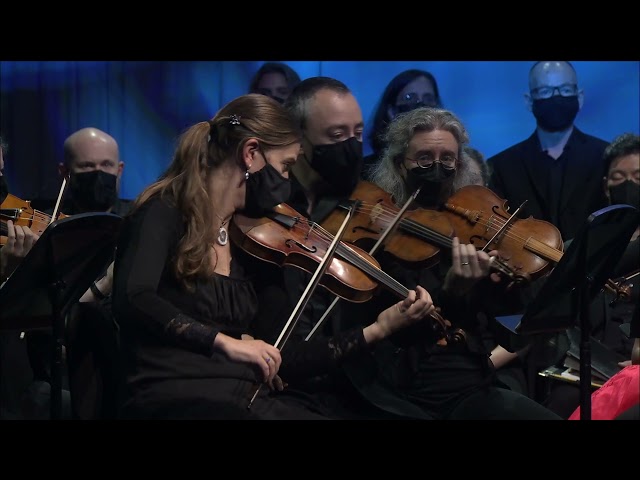
Handel, a master of Baroque music, composed the oratorio Messiah in 1741, and it was premiered in Dublin in April 1742.
The instrumental interlude placed in Part I is a brief pastoral that quietly foreshadows the announcement of the Holy Night to the shepherds.
Over a sustained bass, the strings sing a gentle melody in parallel thirds, and the relaxed swell of the 12/8 meter evokes a Siciliano-like simplicity.
Eschewing brass and percussion entirely, and relying on legato strings alone to depict the stillness of night and a distant prayer without words, the piece crystallizes Handel’s gift for dramatic architecture.
Even within the full Messiah—now a staple of Christmas concert programs—this episode stands out as a scene that conjures particularly serene imagery.