

Ranking of Popular Jazz Songs

Jazz is a genre of music born in America in the 19th century.
Blending traditional African music with Western music, jazz captivates with its distinctive groove and passionate performances rooted in Black music.
From there, it has influenced a wide range of musical styles, and today its spirit can be felt in countless settings.
In this article, we’ll introduce classic jazz tunes in a ranked list.
In Japan, jazz is often considered “grown-up music,” but I hope the songs featured here inspire many people to fall in love with jazz.
- [2026] A Collection of Classic Japanese Ballads with a Jazz Flavor
- Classic swing jazz tunes. Recommended popular songs.
- Introduction! A collection of recommended masterpieces and standard numbers for jazz beginners
- [Western Jazz] A Special Feature on Standard Numbers You’ve Heard at Least Once
- Jazz commercial songs. Popular commercial songs.
- The Profound Allure of the Saxophone: Iconic Songs Featuring Saxophone [2026]
- Today's Jazz: Tunes for today! A selection of timeless classics and contemporary jazz
- [2026] Discover Today's Jazz! A Roundup of the Latest Spotlight and Popular Tracks
- 【2026】A Collection of Masterpieces by Overseas Jazz Bands
- Great for karaoke too! Jazz classics you’ll want to sing at least once
- The Royal Road of Jazz: Classic modern jazz masterpieces. Popular tracks you should listen to at least once.
- [Autumn Jazz] Classic and Popular Jazz Songs to Enjoy in the Fall
- Jacques Ibert Popular Song Ranking [2026]
Ranking of Popular Jazz Songs (61–70)
A Night in TunisiaArt Blakey & The Jazz Messengers64rank/position

A masterpiece that captures the exotic atmosphere of North Africa through innovative jazz rhythms and harmonies.
In August 1960, Art Blakey & The Jazz Messengers delivered a performance that opened up new musical territory with a bold fusion of Afro-Cuban rhythms and bebop.
Anchored by powerful drumming, the sensual melodic lines woven by Lee Morgan’s trumpet and Wayne Shorter’s saxophone shine throughout.
Featured on the classic album “A Night in Tunisia,” this piece captivates with its interplay of exotic ambience and thrilling improvisation.
Perfect for a calm spring evening when you want to relax into the music and feel a breeze from distant lands.
Someday My Prince Will ComeBill Evans65rank/position

Bill Evans, a composer who achieved worldwide popularity with jazz that incorporated the musicality of Impressionism, such as Debussy and Ravel.
For anyone who has dabbled even a little in jazz, he’s a familiar name.
This piece, “Someday My Prince Will Come,” is used as an insert song in Disney’s film Snow White, and is known in Japan by the title “Itsuka Ōjisama ga.” While the original has a fantastical atmosphere, this rendition stands out for its jazzy, warm, and cheerful mood.

BlackbirdBrad Mehldau66rank/position

Jazz pianist Brad Mehldau, known for incorporating rock and pop songs into his repertoire, delivers a stunning piano trio cover of a Beatles classic said to be set against the backdrop of the civil rights movement.
While honoring the original’s hopeful melodic lines, the arrangement weaves in delicate yet deeply nuanced harmonies and tightly knit interplay among the musicians, creating a rich sense of storytelling despite being purely instrumental.
The track appears on the album “The Art of the Trio, Volume One,” released in January 1997, marking a pivotal work that heralded the start of the trio defining his early career.
It’s a perfect piece for long evenings of immersive listening, or for anyone who wants to experience a familiar melody shining anew in a fresh setting.
All The Things You AreCharlie Parker67rank/position

It’s a masterpiece with a wonderfully romantic theme, as if whispering, “Your very existence is the greatest song to me.” The sweet, beautiful melody was vividly rendered with passionate saxophone by jazz innovator Charlie Parker.
Originally composed for the 1939 musical Very Warm for May and later used in film, it’s a standard number.
Parker’s performance is best known from a live recording made in March 1948, where you can revel in his thrilling improvisation on such classic releases as Summit Meeting at Birdland.
Perfect for anyone who wants to feel the heat of jazz firsthand—Parker’s free and passionate sound world will surely set your heart dancing.
ConfirmationCharlie Parker68rank/position

Charlie Parker, the originator of modern jazz and a legend of the jazz world.
One of the musicians who forged the bebop style, he was a genius player who nevertheless led a turbulent life and died young at 34.
Later, none other than Clint Eastwood made a film about Parker’s life titled “Bird,” a testament to the magnitude of his influence not only on music but on culture at large.
Known as “Bird,” Parker also established several standards as a composer, and the piece introduced here, “Confirmation,” is one of them.
Composed in 1945, it’s a quintessential bebop number that greatly contributed to the formation of bebop.
If you want to savor the essence of modern jazz, be sure to listen to Parker’s own live version of “Confirmation”!

Almost BlueChet Baker69rank/position

It may not be all that famous, but as a jazz ballad I absolutely want to introduce this piece.
Chet Baker, who etched his name into jazz history with his lyrical trumpet tone and wistful singing voice, yet lived a ruinous life, often chose to perform Almost Blue in his later years.
Despite its simple melody, each trumpet note speaks to you in a way that a hundred different sounds from other players could never capture.
Jazz allows for this kind of expression, too.
Que sera seraDoris Day70rank/position
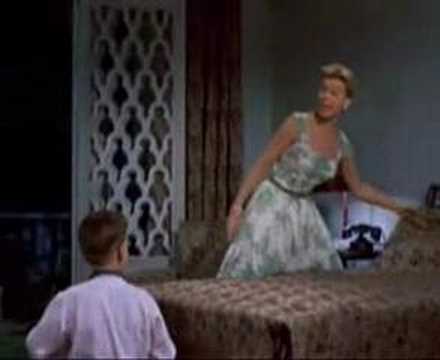
It’s the theme song from Alfred Hitchcock’s 1956 film “The Man Who Knew Too Much,” sung by the lead actress and singer Doris Day.
With lyrics that mean “whatever will be, will be,” the song also plays an important role within the film itself.
Despite its cute waltz (3/4 time) feel, the movie is a suspenseful, heart-pounding thriller.
In Japan, it was covered by artists such as Peggy Hayama and Izumi Yukimura.
