



Jazz is a genre of music born in America in the 19th century.
Blending traditional African music with Western music, jazz captivates with its distinctive groove and passionate performances rooted in Black music.
From there, it has influenced a wide range of musical styles, and today its spirit can be felt in countless settings.
In this article, we’ll introduce classic jazz tunes in a ranked list.
In Japan, jazz is often considered “grown-up music,” but I hope the songs featured here inspire many people to fall in love with jazz.
- [2026] A Collection of Classic Japanese Ballads with a Jazz Flavor
- Classic swing jazz tunes. Recommended popular songs.
- Introduction! A collection of recommended masterpieces and standard numbers for jazz beginners
- [Western Jazz] A Special Feature on Standard Numbers You’ve Heard at Least Once
- Jazz commercial songs. Popular commercial songs.
- The Profound Allure of the Saxophone: Iconic Songs Featuring Saxophone [2026]
- Today's Jazz: Tunes for today! A selection of timeless classics and contemporary jazz
- [2026] Discover Today's Jazz! A Roundup of the Latest Spotlight and Popular Tracks
- 【2026】A Collection of Masterpieces by Overseas Jazz Bands
- Great for karaoke too! Jazz classics you’ll want to sing at least once
- The Royal Road of Jazz: Classic modern jazz masterpieces. Popular tracks you should listen to at least once.
- [Autumn Jazz] Classic and Popular Jazz Songs to Enjoy in the Fall
- Jacques Ibert Popular Song Ranking [2026]
Ranking of Popular Jazz Songs (1–10)
Moanin’Art Blakey1rank/position
When asked who the greatest jazz drummer is, many people would likely name Art Blakey.
He is also known as the creator of the so-called Niagara Roll, a technique of rapid, intricate drum rolls.
His drumming skills are on full display in the track “Moanin’.” With the drums taking the lead, the piece has a buoyant, bouncing sound.
As you listen, you can’t help but start to sway along.

Waltz For DebbyBill Evans2rank/position

A graceful waltz known for being dedicated by Bill Evans to his beloved niece.
It’s often heard in cafés and films, so many of you have probably come across it before.
Its charming melody, as if capturing the innocent figure of a young niece, warmly enfolds the listener’s heart.
The piece’s allure lies not only in the piano taking center stage, but also in the intimate ensemble where the bass and drums speak on equal terms.
Originally released in 1956 as a solo piano work, the trio performance on the famed album “Waltz for Debby,” recorded live in June 1961, is breathtakingly beautiful.
It’s perfect for quietly listening on a calm night or relaxing on a leisurely afternoon.
Even those who simply enjoy the mood of jazz will find it easy to appreciate.
So WhatMiles Davis3rank/position

Miles Davis, nicknamed “the Emperor,” was a legendary trumpeter who, unfettered by existing rules, led jazz’s possibilities into another dimension with his free-thinking approach.
His influence is immense not only among jazz aficionados but also across other fields such as rock.
The album he released in 1959, Kind of Blue, is hailed as a crowning masterpiece of modern jazz.
Its ensemble work, which advanced the approach known as “modal jazz,” secured its place in music history.
Commercially, it was an extraordinary success and is unquestionably indispensable when talking about jazz.
Its connection to BLUE GIANT is also highly significant: of the three jazz CDs the protagonist Dai Miyamoto first borrows from a friend, one is this very Kind of Blue.
In a sense, it’s one of the records that marks the beginning of BLUE GIANT, and if you haven’t listened to this album yet, you can share a feeling similar to Dai’s—so by all means, check it out.
Featured here is the famous track that opens the album, “So What.” The brilliance of the performance—delivered by some of the finest players in the jazz world—goes without saying.
Take this opportunity to savor a classic that is essential both to Miles and to the history of jazz!

Take FiveDave Brubeck4rank/position

“Take Five,” included on the groundbreaking 1959 album Time Out by the Dave Brubeck Quartet led by Dave Brubeck, is an iconic piece in the history of jazz.
Composed by Paul Desmond, the tune is built on a unique 5/4 time signature.
Uncommon at the time, this meter is said to have opened new horizons for jazz, and its exhilarating melody and rhythm continue to be loved by many.
The song has been covered by numerous artists around the world, including in Japan, and has been used across a wide range of media, from television and commercials to films.
For jazz beginners, “Take Five” offers a superb entry point into the genre through its simple yet profound appeal.
It’s an ideal track for anyone who wants to casually experience jazz rhythms or enjoy some cool music during a short break.
What a Wonderful WorldLouis Armstrong5rank/position

An inspiring ballad with the warm, gravelly voice of jazz giant Louis Armstrong! It gently reminds us how beautiful everyday scenes like green trees and blue skies truly are.
Released in 1967, a time of social turmoil, the song carries a strong wish for peace.
It topped the charts in the UK, and later became beloved worldwide after being featured in the film “Good Morning, Vietnam.” In Japan, it’s also well known from commercials such as for the Honda Civic.
When your heart feels a little tired, listening to it is like a dose of emotional vitamins—his voice softly tells you, “What a wonderful world.”
Take The A TrainDuke Ellington6rank/position
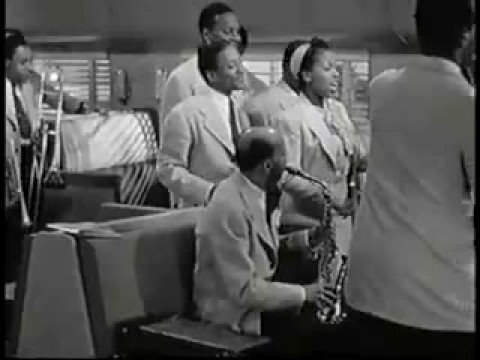
The piece known in Japan by the extremely famous title “A Ressha de Ikō” is, in fact, “Take the ‘A’ Train,” one of the quintessential jazz standards and the theme song of the Duke Ellington Orchestra, which sparked the prewar swing boom with its overwhelming performances and produced many standards.
While Duke himself left behind numerous masterpieces as a composer, “Take the ‘A’ Train” was actually written at his request by Billy Strayhorn, the orchestra’s pianist.
It was premiered by the band in 1941, released on record, and became a major hit.
The “A Train” refers to New York City’s A subway line—that is, the subway—and perhaps the swinging rhythm and rolling piano tone led some listeners to picture a powerful train running under a blue sky.
In Japan, many singers and ensembles have covered the song; among the famous versions, Hibari Misora sang a rendition with Japanese lyrics that was also released as a single, and Japan’s renowned big band Nobuo Hara and His Sharps & Flats likewise featured the number.
SpainChick Corea7rank/position

Chick Corea’s masterpiece “Spain” is incredibly popular in Japan as well.
Even those who aren’t familiar with jazz will likely recognize its melody.
In fact, you can often find videos on YouTube of people performing it on street pianos.
Although the theme section resolves in 12 or 24 bars, the chord progression—completely different from a blues progression—will be striking to first-time listeners.
There are many versions and covers, so be sure to find the one that suits you best.
