

John Cage Popular Song Ranking [2026]

John Cage, an American composer with many facets—poet, thinker, and mycologist among them.
He is also known for his signature piece 4’33”, in which the performer makes no deliberate sound, treating the incidental sounds that occur in the space as music.
Because of his unique musical theories and forms of expression, he is often called an experimental musician, and by expanding the definition of music, he profoundly influenced the entire field of avant-garde art.
This time, we present a ranking of John Cage’s popular works—enjoy music with a distinctive twist!
- Yamada Kōsaku Popular Song Rankings [2026]
- Cécile Chaminade Popular Song Rankings [2026]
- Jacques Ibert Popular Song Ranking [2026]
- Bartók Béla Popular Song Ranking [2026]
- Scott Joplin Popular Song Rankings [2026]
- Olivier Messiaen Popular Songs Ranking [2026]
- Alexander Scriabin Popular Songs Ranking [2026]
- Jean Sibelius Popular Songs Ranking [2026]
- Arnold Schönberg Popular Songs Ranking [2026]
- César Franck Popular Songs Ranking [2026]
- Niccolò Paganini Popular Song Rankings [2026]
- Francis Poulenc Popular Songs Ranking [2026]
- François Couperin Popular Songs Ranking [2026]
John Cage Popular Songs Ranking [2026] (11–20)
dreamJohn Cage15rank/position
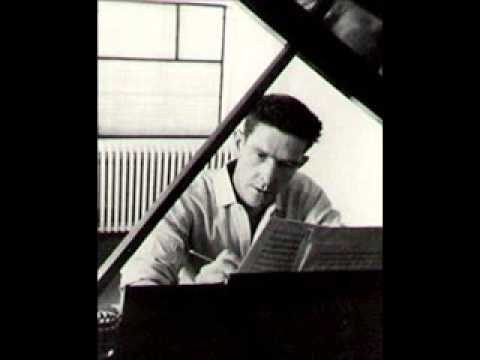
John Cage, a representative figure of twentieth-century avant‑garde music, is known as a pioneer of indeterminate music and electronic music, and as a singular composer who challenged conventional uses of instruments.
His 1948 work Dream is a piano piece born from his collaboration with dancer Merce Cunningham; while following a rhythmic structure, it creates a gentle, meditative atmosphere through sustained resonances.
Within its tranquil sounds unfolds a world of deep reflection—an appealing work not only for those interested in contemporary music, but for anyone seeking to bring a new sensibility to everyday life.
Music of the I ChingJohn Cage16rank/position

John Cage, an American avant-garde musician, was an unconventional composer who brought major innovations to twentieth-century music.
Music of Changes is a work that employs an avant-garde, experimental approach in which choices of sounds and their organization are determined based on the Chinese classic, the I Ching.
The unique sonorities born from the chance operations of each individual note seem to embody Cage’s own musical outlook, which boldly steps away from Western musical tradition.
It is a recommended work not only for those interested in contemporary music, but also for anyone who wants to experience a fresh sonic world unbound by preconceived notions.