

Popular Songs Ranking of Saburo Kitajima [2026]

He must be one of the most difficult Japanese singers to rank by popular songs.Yes, Saburō Kitajima.His track record since starting as a traveling singer and making his record debut in 1962 is nothing short of remarkable.His hit songs are works that continue to be sung across generations and eras.
- Popular Enka Singers Ranking [2026]
- Mitsuhiro Mihashi Popular Song Rankings [2026]
- Hiroshi Itsuki Popular Songs Ranking [2026]
- [Sub-chan] A Collection of Easy-to-Sing Songs by Saburo Kitajima [2026]
- Kohei Fukuda Popular Song Ranking [2026]
- Ichiro Toba’s Most Popular Songs Ranking [2026]
- Yoshi Ikuzo Popular Song Rankings [2026]
- Classic enka songs you’ll want to sing at karaoke: recommended popular tracks
- Shinichi Mori’s Most Popular Songs Ranking [2026]
- Enka Karaoke Popularity Rankings [2026]
- Harumi Miyako Popular Songs Ranking [2026]
- Haruo Minami Popular Song Rankings [2026]
- Karaoke Popular Song Ranking of Ikuzo Yoshi [2026]
Saburo Kitajima Popular Song Rankings [2026] (31–40)
Lake TowadaKitajima Saburō36rank/position
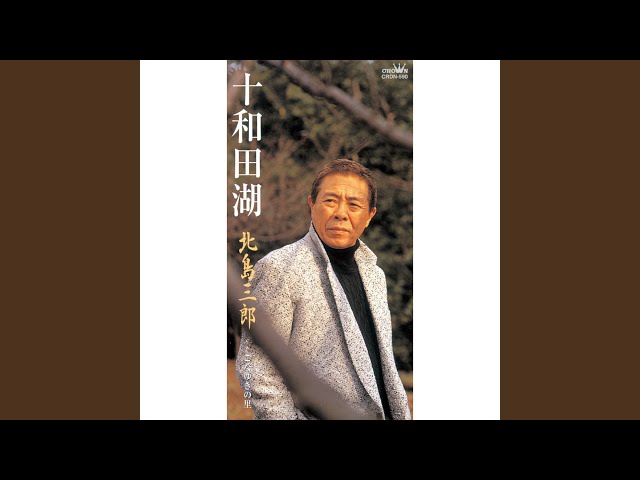
Set against the majestic scenery of a lake stretching across the border between Aomori and Akita, this is a life-themed enka by Saburo Kitajima that sings of the profound depths of existence.
The protagonist, reflecting on his own path by the lakeside, is portrayed through a powerful vocal performance.
The song’s appeal lies in its lyrical worldview, where the quiet of nature resonates with the cry of the human soul.
Released as a single in January 1999, it was also included on the album “Saburo Kitajima Complete Collection: Lake Towada / Root.” It’s a piece that will resonate deeply when you want to face yourself at a turning point in life, or when you wish to align your heart with the nature of your hometown.
I go my own wayKitajima Saburō37rank/position

A song packed with the weight of a life, powerfully affirming the path one has walked.
Released as a single in November 2025, it drew attention for extending an unprecedented streak of 64 consecutive yearly releases since his debut.
An album of the same name was released alongside it, distilling Saburo Kitajima’s unwavering conviction as he remains active even at age 88.
It portrays a man’s resolve to face hardships—rain and storms—head-on.
The arrangement moves from a steady, resonant low-mid register to a soaring chorus, lighting a passionate fire in the listener’s heart.
Kunisaki PeninsulaKitajima Saburō38rank/position

This is a song set in Oita Prefecture, powerfully performed by Saburo Kitajima, a giant of the enka world.
Against the backdrop of the Kunisaki Peninsula—where the syncretic culture of Shinto and Buddhism still thrives—it passionately sings of the burning homesickness felt by those far from their hometown, and of tender yearning for a beloved mother.
The fact that Kitajima himself wrote both the lyrics and the music under his own pen name conveys his exceptional affection for the piece.
If you lend an ear to his majestic voice, you may feel the wind of Kunisaki and the scent of the sea reaching your heart.
It’s a song that will likely strike a chord with anyone who has a place to call home.
YumetoKitajima Saburō39rank/position

Among Saburo Kitajima’s works, this one stands out for its distinctive, unconventional melody.
While it retains some enka elements, the melody is entirely pop, incorporating shades of Chinese pop and neo-soul.
The vocal line is very simple in a pop-like way, without the dramatic pitch leaps typical of enka, making it undeniably easy to sing.
However, the overall range is wider than in his usual songs, so be sure to prepare your voice properly before starting to sing.

riverKitajima Saburō40rank/position

Among Saburo Kitajima’s songs, the classic “Kawa” (River) is especially renowned for its powerful vocals.
It’s categorized as a so-called ‘man’s song,’ built around a bold, masculine vocal line.
With such a forceful singing style, it might seem difficult to master, but that’s not the case.
This piece contains many shouted, growling passages, yet it rarely features rapid tempo shifts or large melodic jumps.
As long as you have a solid foundation in shouting technique, there’s a good chance you can sing it through successfully.
Consider adding it to your repertoire.
Saburo Kitajima Popular Songs Ranking [2026] (41–50)
Woman of KisoKitajima Saburō41rank/position

Set against the deep mountain valleys of the Kiso Road, this is one of Saburo Kitajima’s signature entries in his “Woman Series,” expressing complex feelings toward one’s hometown.
Released in October 1973, the song brilliantly fuses Tetsuro Hoshino’s poetic lyrics with Nobuo Shimazu’s wistful melody.
Through Kitajima’s powerful kobushi vocal style, it richly conveys the emotions of a woman living amid Kiso’s harsh natural landscape.
For those who have left their hometown, or who have experienced farewells to important people at life’s turning points, the poignant sentiments woven into this piece will resonate deeply.
Cherry Blossom Moonlit NightKitajima Saburō42rank/position

This song portrays a flurry of blossoms dancing in the night sky and the bond of a couple who have walked together through many years.
Sung by Saburō Kitajima, a leading figure in the enka world, it likens past hardships and gratitude to the beautiful scene of night cherry blossoms.
Released in January 2010 as the B-side to the single “Meoto Isshō” (“Husband and Wife, For Life”), the piece was composed by Kitajima himself under the name Jōji Hara.
With a gentler, more intimate tone than his usual powerful voice, it truly touches the heart.
It carries a sincere “thank you” to one’s partner, filling you with warmth.
It’s a masterpiece you’ll want to listen to in cherry blossom season, as you look up at the night sky with someone dear and talk about the life ahead.
Please take your time and savor it.