

Toshinobu Kubota Popular Songs Ranking [2026]

Toshinobu Kubota is one of Japan’s top musicians, known for his sweet, beautiful singing voice and his work overseas.
His attitude toward music earns respect not only from fans but also from many fellow artists.
Here, we present a ranking of some of his most popular songs.
- Toshinobu Kubota’s iconic and popular songs
- Toshinobu Kubota’s Breakup Songs: Popular Song Ranking [2026]
- Toshinobu Kubota Ballad Songs: Popular Songs Ranking [2026]
- Toshinobu Kubota Karaoke Hit Songs Ranking [2026]
- Toshinobu Kubota Love Songs: Popular Songs Ranking [2026]
- Saki Kubota Popular Song Rankings [2026]
- Noriyuki Makihara’s Tearjerker Songs, Cry-Your-Eyes-Out Tracks, and Popular Hits Ranking [2026]
- MISIA’s Most Moving Songs and Popular Tracks Ranking [2026]
- Toshinobu Kubota’s Unrequited Love Songs: Popular Song Rankings [2026]
- Joe Hisaishi Popular Songs Ranking [2026]
- MISIA Love Songs & Popular Songs Ranking [2026]
- Kazumasa Oda Popular Songs Ranking [2026]
- MISIA's Most Popular Songs Ranking [2026]
Toshinobu Kubota Popular Songs Ranking [2026] (11–20)
The North Wind and the SunKubota Toshinobu15rank/position
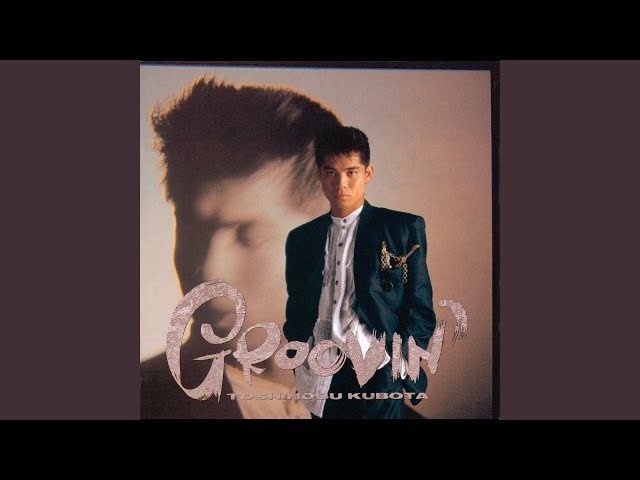
This is a funk number featuring exhilarating guitar chucks and a bouncy rhythm that makes your body sway.
It was included on the album “GROOVIN’,” released in April 1987, and has remained a fan favorite, also appearing on the best-of collection “THE BADDEST ~Hit Parade~.” The lyrics seem to sing of a love that gently embraces like the warmth of the sun—standing by the small clouds that drift across a loved one’s heart without trying to force any change.
The message of stopping the competition and simply moving through the seasons together as a pair leaves your heart quietly warmed.
It’s the perfect track for a mood-boosting weekend drive or when you want to encourage someone special.
CymbalsKubota Toshinobu16rank/position

Cymbals by Toshinobu Kubota, released in 1997.
It was also the theme song for the drama The Time of Your Life starring Masanobu Takashima.
EXILE’s ATSUSHI has covered it as well.
It’s a gentle song that quietly sinks into your heart.
Kubota’s powerful vocals are also one of the elements that can move you to tears.

Dance If You Want ItKubota Toshinobu17rank/position

Released in 1988, this song encapsulates the appeal of Toshinobu Kubota.
Combining an energetic rhythm with a profound message, it calls for the liberation of mind and body through dance.
Included on the album “Such A Funky Thang!,” it became a major hit, reaching No.
1 on the Oricon album chart.
It was also featured in a commercial for the soft drink Mets, and the unconventional promotion left a strong impression.
Its funky, groovy sound showcases Kubota’s musicality and continues to be loved by many to this day.
You Go LadyKubota Toshinobu18rank/position

This is a funky, upbeat number by Toshinobu Kubota that lightens the hearts of its listeners.
It embodies the artist’s message of “Ladies, don’t hold back—go for it!” and stands out as an empowering anthem that encourages you to move forward with confidence.
The rhythm that makes your body move and the positive message are sure to give you energy and courage.
Released in March 2018 as his 40th single, it was also featured in a commercial for KOSÉ’s ESPRIQUE.
The song was later included on the album BEAUTIFUL PEOPLE.
It’s perfect for starting a new day or for when you want to lift your spirits.
It’s BADKubota Toshinobu19rank/position

Toshihiko Tahara’s 24th single, released in November 1985.
In this video, it’s the version covered by Kubota.
It’s regarded as the first hit song in Japan to include rap.
The funky track and powerful rap heighten the sense of excitement.
GIVE YOU MY LOVEKubota Toshinobu20rank/position

A single released on June 21, 1990, while the best-of album “the BADDEST” was a major hit and its momentum hadn’t yet faded.
It’s a danceable track with a black-music flavor, similar to the artist’s previous singles.
It’s not bad, but the album’s polish is so high that this might come off as a bit understated.
It peaked at No.
3 and sold 154,000 copies.
Toshinobu Kubota Popular Songs Ranking [2026] (21–30)
Oh, What A Night!Kubota Toshinobu21rank/position

A song featured on Toshinobu Kubota’s best-of album “the BADDEST,” released in 1989.
It was originally created for a Kirin Mets commercial and wasn’t intended for record release, but due to high demand it was first put on record with this album.
It’s an upbeat, lively track.