

![Yoko Maekawa’s Popular Songs Ranking [2026]](https://i.ytimg.com/vi/K2e2BYTKVzI/sddefault.jpg)

Yoko Maekawa is a female singer who, along with Isao Sasaki and Ichiro Mizuki, is known as one of the “Four Heavenly Kings of Anime Songs.” You might picture her from theme songs like Hyokkori Hyotan-jima and Cutie Honey.
This time, we’ll introduce Yoko Maekawa’s most popular songs in ranking format.
Savor the full charm of her powerful vocals!
- Kiyoshi Maekawa’s Most Popular Songs Ranking [2026]
- Yoko Takahashi Popular Songs Ranking [2026]
- Sayuri Ishikawa Karaoke Hit Songs Ranking [2026]
- Yoko Honna’s Most Popular Songs Ranking [2026]
- Yoko Kanno Popular Song Rankings [2026]
- Akiko Yano Popular Songs Ranking [2026]
- Shoko Nakagawa’s Most Popular Songs Ranking [2026]
- Kurahashi Yoeko Popular Song Ranking [2026]
- Haruko Hara’s Popular Songs Ranking [2026]
- Kiyoko Suizenji’s Popular Songs Ranking [2026]
- Megumi Hayashibara Popular Song Ranking [2026]
- Ichiro Mizuki’s Most Popular Songs Ranking [2026]
- Kaguya-hime Popular Songs Ranking [2026]
Yoko Maekawa’s Popular Songs Ranking [2026]
Cutie HoneyMaekawa Yōko1rank/position
Sung by Yoko Maekawa, this song is a classic anime track that gained popularity alongside its lively dance.
Its sexy vocals and striking opening line leave a strong impression, and the unforgettable melody sticks with you after just one listen.
Used as the opening theme for a TV anime broadcast starting in 1973, it was loved by a wide audience beyond the realm of girls’ anime.
The piece reflects the protagonist’s free-spirited and brave nature, capturing the fresh emotions of youth.
Released in April 2008, this version has been featured across various media, including anime remakes and live-action films.
Many people still remember the nostalgic choreography, making it a guaranteed hit at dance parties and wedding performances.
Little Meg the Witch GirlMaekawa Yōko2rank/position

This song, depicting magic and a girl’s growth, is a treasure born in the Showa era.
Yoko Maekawa’s clear, translucent vocals beautifully capture the protagonist Meg’s adventurous spirit and confidence.
Used as the opening theme for an anime that began airing in April 1974, it sparked the “majokko” (little witch) boom.
Its lyrics, which affirm girls’ inner strength and charm, had a major impact on young girls at the time.
It’s a perfect track for anyone looking to liven up a Halloween party or who feels nostalgic for Showa-era anime songs.
Hyokkori Hyoutan-jimaMaekawa Yōko3rank/position

Singer Yoko Maekawa, counted among the “Four Heavenly Kings of Anison” for her many anime theme songs and known as having sung nearly a thousand commercial jingles, made her debut with Hyokkori Hyotan-jima, performed together with the Hibari Children’s Chorus.
As the title suggests, it was used as the theme song for the puppet show Hyokkori Hyotan-jima.
Its repeating phrases and lyrics that lend themselves easily to choreography make it perfect for children’s play and dance.
Covered by a variety of musicians, it’s a number that continues to be loved across generations.

Song of the Piggyback GhostMaekawa Yōko4rank/position

The theme song of the anime Onbu Obake, which aired in 1972.
The lyrics were written by Ryuichi Yokoyama, the manga artist famous for Fuku-chan and also the original creator of the anime.
Its powerful vocals make a striking contrast to the heartwarming, folktale-like story of Onbu Obake and the villagers.
Matsumoto Bon BonMaekawa Yōko5rank/position
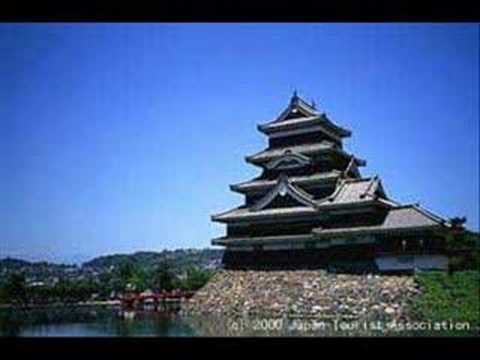
Matsumoto Bonbon is the largest summer festival in the prefecture, held in Matsumoto City on the first Saturday of August every year.
The name’s origin is said to come from a girls’ event called “bonbon,” where girls in yukata carried lanterns, wore pokkuri clogs, walked through town, and comforted the spirits of their ancestors.
In the second verse of the song, the mention of Aoyama-sama refers to a boys’ event said to have been combined with it, in which boys raised the banners of Aoyama Shrine and carried a portable shrine (mikoshi).
Magical MamboMaekawa Yoko, Hani Naitsu6rank/position

Mitsuteru Yokoyama’s original work Sally the Witch can be considered a forerunner of the so-called “magical girl” genre.
It has been adapted into an anime twice, and the song “Mahō no Mambo” was used as the ending theme from episodes 1 through 26 of the 1966 version.
Princess Knightmaekawa yōko, runa arumoniko7rank/position

This is the opening theme of the anime that began airing in 1967, based on Osamu Tezuka’s shōjo manga Princess Knight.
The story features Princess Sapphire as both heroine and hero, and it’s often said to have been influenced by the Takarazuka Revue, particularly through the motif of a “beautiful woman in men’s attire.” Its European-style setting is a major part of the work’s appeal, and the fanfare at the beginning and the light, buoyant sound convey a glamorous atmosphere.
Yoko Maekawa’s vocals also reinforce the world of the story; her singing blends bravery and charm, creating a song that seems to portray the way Princess Sapphire lives her life.
