

Ranking of Popular Nostalgic Songs and Classics [2026]

Songs that you want to keep listening to no matter how much time passes tend to be heartwarming.
Since only tracks truly worthy of being called masterpieces have made the ranking, you might find songs you used to love or nostalgic tunes you listened to often during your youth.
- [40s] Popular Songs Ranking by Generation [2026]
- [20s] Popular Songs Ranking by Generation [2026]
- Popularity Ranking of Songs by Generation: 60s [2026]
- Most Popular Songs Among Men Ranking [2026]
- Ranking of Beloved Hit Songs Among Women [2026]
- Popular Moving Songs Ranking [2026]
- Popular Youth Songs Ranking [2026]
- Fun Song Rankings [2026]
- Saddest Songs Ranking [2026]
- Popular Tearjerker Song Rankings [2026]
- Popular Love Songs & Romance Tracks Ranking [2026]
- Showa-era nostalgic songs: Popular ranking
- Showa-era masterpieces roundup: A must-listen collection of nostalgic oldies and hit songs
Popular Oldies and Classic Songs Ranking [2026] (21–30)
Blue Coral ReefMatsuda Seiko22rank/position

It’s a classic with a striking intro that seems to carry the sparkle of the sun and the scent of the sea breeze.
You can picture a summer day by the ocean with someone you love—the racing heartbeat and the little burst of boldness that comes with it.
It evokes scenes of a sweet and dazzling romance.
This song, which propelled Seiko Matsuda to the status of “eternal idol,” was released in July 1980 as her second single and is also included on her debut album, SQUALL.
As the theme for Glico’s ice cream commercial, it brightened living rooms across the nation and topped The Best Ten for three consecutive weeks.
It’s a refreshing track that instantly paints listeners’ hearts in summer hues.
LOVE LOVE LOVEDREAMS COME TRUE23rank/position

DREAMS COME TRUE is a band celebrated for its overwhelmingly powerful vocals—unusual by Japanese standards—and songs that are funky yet imbued with the sensibility of J-pop.
Their 18th single, “LOVE LOVE LOVE,” released as a double A-side with “Arashi ga Kuru” (“A Storm Is Coming”), was used as the theme song for the TV drama “Aishiteiru to Itte Kure” (“Say You Love Me”).
Its clear, translucent ensemble and love-filled message create a soothing charm that draws you in.
Among DREAMS COME TRUE’s many singles, it boasts the highest sales and stands as a quintessential ballad representing the J-pop scene of the 1990s.

I won’t fall in love anymore.Makihara Noriyuki24rank/position
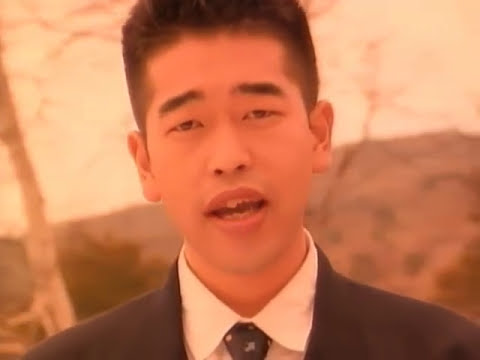
A gem-like ballad that delicately portrays the pain of heartbreak and the hope of taking a new step forward.
Noriyuki Makihara’s gentle vocals tenderly envelop the protagonist’s complex feelings as they struggle to accept a breakup with their lover.
While carefully depicting the loneliness and confusion felt in everyday life, it also resonates with the positive resolve hidden behind the words “I won’t fall in love anymore.” Released in May 1992, the song was used as the theme for the drama “After the Children Are Asleep,” reaching No.
2 on the weekly Oricon chart and No.
7 for the year.
It’s a song that stands as emotional support, accompanying you through the healing process of a broken heart.
ALONEB’z25rank/position

B’z’s ninth single is a rock ballad that sings of the preciousness of love that shines brightest in loneliness.
Chosen as the theme song for the drama “Hotel Woman,” it topped the Oricon charts for two consecutive weeks and became a million seller.
The poignant feelings of a man who can only yearn for someone he cannot meet truly hit home.
The grand sound incorporating piano and synth, along with the emotive, tear-evoking guitar phrases, is unforgettable.
It’s a masterpiece that stays close to your heart when your feelings for someone special grow stronger.
Maplesupittsu26rank/position
It’s a classic song about parting with someone dear, and it’s also famous for having been covered by many artists.
It’s a single released by the rock band Spitz in July 1998 from the album “Fake Fur.” The somewhat nostalgic tones of piano and guitar resonate in the heart, and Masamune Kusano’s vocals, which beautifully express longing and loneliness, seem to convey a sense of helplessness.
The piece portrays not only the sorrow of farewell but also a forward-looking resolve to hold those memories close and keep moving on, revealing something new with every listen.
It’s no wonder it has colored so many works across generations, such as the drama “silent.” It’s also a great choice to sing slowly and thoughtfully at karaoke while soaking in the autumn mood.
I can’t stop this sadnessAnri27rank/position
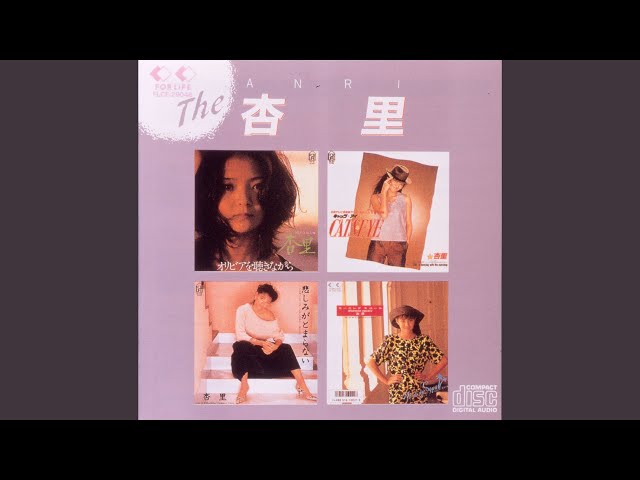
Anri, a city pop songstress who was active from the late Showa era to the early Heisei era.
Centered on the theme of heartbreak, this work is her 14th single, released in November 1983.
The contrast between the bright, quintessentially ’80s piano melody and the sorrowful lyrics is striking.
The painful turn of events—having a lover taken by a friend—is conveyed through Anri’s clear, translucent voice.
It was a major hit, ranking within the top 10 on the Oricon Singles Chart and appearing on TBS’s “The Best Ten” for nine consecutive weeks.
It’s a recommended track for when you want to heal the pain of heartbreak or sink into a wistful mood.
Do whatever the hell you want.sawada kenji28rank/position

When it comes to Kenji Sawada’s signature songs that dominated the music scene of the ’70s, this is the one.
It portrays the complex emotions of a man after a breakup, expressing a free-spirited mindset alongside resignation and loneliness.
It held the No.
1 spot on the Oricon weekly chart for five consecutive weeks, ranked No.
4 for the year, and sold an impressive 890,000 copies.
Released in May 1977, the song features lyrics by Yū Aku and composition by Katsuo Ōno.
Its bold structure—shifting from ballad to hard rock—is a defining trait, strongly reflecting arranger Motoki Funayama’s influence.
The sophisticated, bittersweet lyrics capture the youth culture and views on love of the time with vivid clarity, and it’s sure to resonate just as powerfully even today.