

Ranking of Popular Nostalgic Songs and Classics [2026]

Songs that you want to keep listening to no matter how much time passes tend to be heartwarming.
Since only tracks truly worthy of being called masterpieces have made the ranking, you might find songs you used to love or nostalgic tunes you listened to often during your youth.
- [40s] Popular Songs Ranking by Generation [2026]
- [20s] Popular Songs Ranking by Generation [2026]
- Popularity Ranking of Songs by Generation: 60s [2026]
- Most Popular Songs Among Men Ranking [2026]
- Ranking of Beloved Hit Songs Among Women [2026]
- Popular Moving Songs Ranking [2026]
- Popular Youth Songs Ranking [2026]
- Fun Song Rankings [2026]
- Saddest Songs Ranking [2026]
- Popular Tearjerker Song Rankings [2026]
- Popular Love Songs & Romance Tracks Ranking [2026]
- Showa-era nostalgic songs: Popular ranking
- Showa-era masterpieces roundup: A must-listen collection of nostalgic oldies and hit songs
Popular Oldies and Classic Songs Ranking [2026] (41–50)
Nameless PoemMr.Children43rank/position

An iconic song representing the 1990s was born.
Its powerful sound and striking lyrics pierce the heart.
Released in June 1996 as Mr.Children’s 10th single, it was also used as the theme song for the Fuji TV drama “Pure.” This work vividly portrays the complexities of love and human relationships, resonating deeply with listeners.
It’s a song that stands beside those living through difficult times, offering courage.
Sing it at karaoke and it will surely lift your spirits.
MissingKubota Toshinobu44rank/position

This is a gem of a ballad by Toshinobu Kubota, known for his uniquely groovy style, perfect for an autumn night.
It poignantly conveys, with a soulful voice, the helpless love between a man and a woman who care deeply for each other yet can never be together.
The struggle of wanting to forget but being unable to, and the regret of wishing they had met earlier, really hits home.
The song was included on his debut album, “SHAKE IT PARADISE,” released in September 1986, and was used as an ending theme for shows like World Pro Wrestling.
Though it wasn’t released as a single, it remains one of his most beloved signature songs.
It feels like a gentle companion to the quiet loneliness that follows the bustle of summer.
Limit LoversSHOW-YA45rank/position

This song resonates with the heartfelt desires of a woman seeking passionate, exhilarating love, carried by a powerful heavy metal sound.
Featuring commanding vocals and fierce guitar work, it was released as a single in February 1989, peaking at No.
13 on the Oricon charts and selling over 300,000 copies.
It was also used in a commercial for Showa Shell Sekiyu and became one of SHOW-YA’s signature tracks.
Embracing both the strength and vulnerability of women, it speaks to anyone who wishes to rediscover their true self, and is sure to strike a chord.
MPRINCESS PRINCESS46rank/position
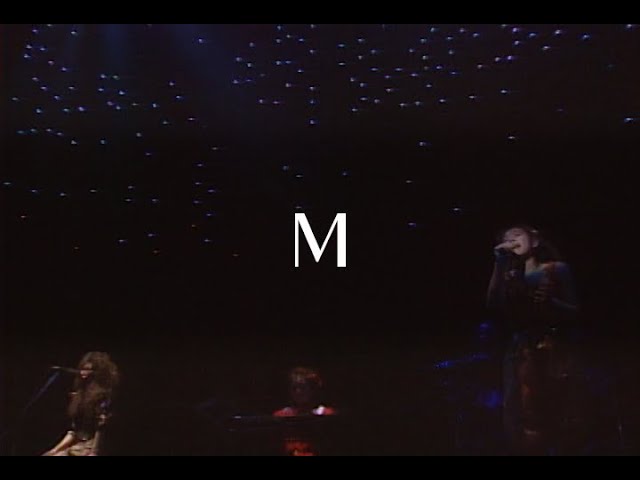
The heartrending ballad that depicts the pain of heartbreak remains a beloved hidden gem among Princess Princess’s fans.
Inspired by drummer Kyoko Tomita’s own experiences, the lyrics leave a strong impression, centering on lingering feelings and sorrow for a past lover.
Released in April 1989 as the B-side to “Diamonds,” it went on to achieve remarkable commercial success, including becoming the first million-selling single CD in history.
It’s a song we highly recommend not only to those who have experienced heartbreak, but to anyone who has ever felt the ache of longing for someone.
TRUE LOVEFujii Fumiya47rank/position

Released in November 1993, this was Fumiya Fuji’s second solo single, which drew huge attention as the theme song for Fuji TV’s Monday 9 p.m.
drama Asunaro Hakusho.
Marking his first step as a new kind of artist after the breakup of The Checkers, this work is a heartfelt ballad written and composed by Fuji himself.
Centered on acoustic guitar, its unadorned sound strips away excess to let the warmth of his voice come through directly.
The lyrics, quietly addressing a departing lover, are suffused with the immaturity of youth and deep regret, giving the song a universality that resonates with each listener’s own memories.
Selling over two million copies and winning a Best 5 Singles Award at the Japan Gold Disc Awards, it has become established as a classic—so much so that it is included in high school music textbooks.
It’s a song you’ll want to play softly when you’re looking back on memories with someone dear.
Ruby RingTerao Akira48rank/position

Mr.
Akira Terao, who has left behind numerous masterpieces as a renowned actor.
For those in their 60s, his image as a singer may be even stronger than his image as an actor.
Many were likely surprised that he wasn’t just a one-hit wonder, but kept releasing hits with an unwavering, cool musical style.
Ruby no Yubiwa is his biggest hit.
While the lowest note drops to a very low low G, there are solid moments of lift within its cool, understated mood—such as a key change toward the end.
Despite the modulation, the piece has a narrow vocal range, so you might even try raising the key on purpose and experimenting with a more powerful delivery different from the original.

single bedSha ran Q49rank/position

This is a wistful ballad that poignantly sings of lingering feelings for a former lover, a classic that gently teaches the preciousness of love.
As the protagonist looks back on memories left behind on a single bed, they realize that a romance once taken for granted was in fact more valuable than jewels, weaving a moving drama.
Released by Sharam Q in October 1994, the song became a major hit, ranking 24th on the year-end charts.
It was also used as the ending theme for the anime D.N.A²: They Were Once a Thing, and included on the album Inferiority Complex.
It’s the perfect track for reminiscing about youthful love while sharing memories with friends.