

Popular Okinawan Songs Ranking [2026]

We’re excited to present the latest comprehensive ranking of popular Okinawan songs, showcased in order of most views!
Okinawan music—whether traditional folk songs or bands—often feels nostalgic and is full of soothing tracks that are a joy to listen to.
Close your eyes and listen to this ranking, and you just might feel the warm atmosphere of Okinawa.
The playlist is updated every week.
- Popular Okinawan Songs: Artist Rankings [2026]
- Fun Song Rankings [2026]
- Popular Tearjerker Song Rankings [2026]
- Kariyushi58 Popular Song Rankings [2026]
- Popularity Ranking of Songs by Generation: 60s [2026]
- From J-pop to folk songs! Popular and classic Okinawan tunes
- Enka Karaoke Popularity Rankings [2026]
- Popular Japanese music. Latest rankings [2026]
- A classic song in the Okinawan dialect, Uchinaaguchi
- Popular Summer Songs / Summer Music Ranking [2026]
- Popular Enka. Latest Rankings [2026]
- Kariyushi58’s Most Moving Songs and Popular Tracks Ranking [2026]
- Saddest Songs Ranking [2026]
Popular Okinawan Songs Ranking [2026] (21–30)
Child GodKojya Misako22rank/position

This is a song by Misako Koja, a female singer from Okinawa.
The song is about a newborn baby.
The lyrics are sprinkled with Okinawan words, which go beautifully with her expansive, clear singing voice.
It’s a famous piece that has been covered by various artists from Okinawa.
Blue Treasureyanawarabaa23rank/position

The warm tone and hometown-evoking lyrics move me to tears, even if you’re not from Okinawa.
It’s a song by the female duo Yanawaraba.
It’s the title track from their first mini-album, released in 2004.
The beautiful choral work feels cleansing to the soul.

Golden FlowerNēnēzu24rank/position
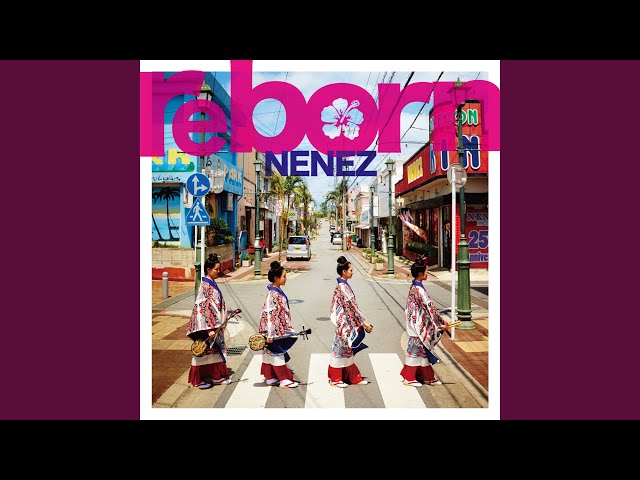
Golden Flower, a single released in August 1994 by NENEZ, a female chorus group representing Okinawan music, was widely loved nationwide after being chosen as the ending theme for TBS’s news program Tetsuya Chikushi NEWS23.
With lyrics by Osami Okamoto and music by Sadao China, the song carries a quiet message that portrays people leaving their hometowns in search of a better life and questions what true prosperity means.
Its gentle, full-bodied vocals and the soothing melodies of Okinawan folk music make it perfect for calming moments, such as the unhurried Eisa performances or a school sports day closing ceremony.
Why not let its profound lyrics and beautiful harmonies envelop you and feel the breeze of Okinawa?
play yardMaekawa Morikata25rank/position

Mamoru Maekawa is a singer who specializes in Okinawan folk music.
His 1988 release “Asibinaa” is an easy-to-listen-to track with a light, lively rhythm.
By the way, the title is pronounced “ashibinaa.” Its approachable arrangement, which also resonates with modern pop, makes it a great recommendation even for people who don’t usually listen to Okinawan folk.
I’ve heard it’s popular in karaoke boxes in Okinawa as well, showing how its friendly melody is loved by many.
Since it’s so well-known, it also seems like a good choice for dancing Eisa!

grandmaShimaji Isamu26rank/position

This is a song themed around “Grandmother” by Isamu Shimoji, a singer-songwriter from Miyakojima City in Okinawa Prefecture.
A distinctive feature of his work—reflecting his Miyakojima roots—is that he sings in Miyako, the local dialect, known as “Miyako-guchi” and pronounced locally as “Myākufutsu.” The lyrics can be difficult to grasp without a parallel translation, but his unique vocal delivery conveys a sense of the culture and atmosphere that transcends language.

Nakazun Nagare27rank/position

This is a song that gently embraces the spirit of Okinawa.
The warm sound of Uchināguchi and the calm melody blend comfortably, inviting listeners into a world of healing.
Rhythmic yet tinged with nostalgia, its tone evokes Okinawa’s blue seas and white sandy beaches.
Especially when you’re worn out by busy days, why not give this piece a listen? The moment it reaches your ears, there’s a curious charm that seems to lighten the heart.
It’s a perfect recommendation not only for those planning a trip to Okinawa, but also for anyone seeking a small measure of comfort in their daily life.
Yuito of the WindHii de Katsu28rank/position

It is one of the songs released by Higa Katsumi, a musician from the Yaeyama Islands in Okinawa Prefecture.
Rather than traditional Okinawan music, it features a deep, resonant timbre reminiscent of regions like India and other parts of Asia, creating a strikingly mystical atmosphere.
Along with “Miruku Namuri,” it is beloved as a staple of Eisa, and the incorporation of gentle movements serves to emphasize the song’s worldview.
Because it is a piece with prominent vocals, paying close attention to the calls and responses should allow performers to showcase a powerful Eisa that can stand up to the intensity of the music.
