

Ranking of Popular Band Songs Among People in Their 50s [2026]

With lifespans reaching 100 years, you can see plenty of entertainers in their 50s thriving on TV.
Instead of saying you’re getting old, why not take on something new? Using this article as a reference, how about making band activities your hobby?
- Band rankings popular among people in their 50s [2026]
- [50s] Popular Song Ranking by Generation [2026]
- Ranking of Popular Band Songs Among People in Their 40s [2026]
- Band song rankings popular among people in their 60s [2026]
- Band Rankings Popular Among People in Their 60s [2026]
- Ranking of Popular Japanese Music and J-POP Artists Among People in Their 40s [2026]
- Ranking of Popular Japanese Pop (J-Pop) Artists Among People in Their 50s [2026]
- [For People in Their 50s] Karaoke Songs That Get the Crowd Going: Ranking [2026]
- Coming-of-age songs for your 50s: heart-thumping × heartwarming classics and popular tracks [2026]
- Band rankings popular among people in their 30s [2026]
- Top Band Songs Ranking Popular with People in Their 30s [2026]
- [50s] Popular Japanese Music / J-POP Rankings [By Generation]
- Popularity Ranking of Songs by Generation: 60s [2026]
Band Song Rankings Popular with People in Their 50s [2026] (41–50)
Nagisasupittsu50rank/position

A bittersweet summer classic that awakens nostalgic memories of youth.
Set to a melody that seems to carry a refreshing breeze and the sound of waves, it sings of fleeting love and a yearning for freedom.
Released in September 1996 and reaching No.
1 on the Oricon charts, this work became a massive hit, selling over 1.5 million copies.
With lyrics that sink into the heart and Masamune Kusano’s clear, transparent vocals, it’s a song you’ll want to hear by the seaside as summer draws to a close.
Why not let yourself drift back to how you felt back then, remembering the one you love?
Band Song Rankings Popular Among People in Their 50s [2026] (51–60)
Chaco’s Seaside StorySazan Ōrusutāzu51rank/position

Released in 1982 as Southern All Stars’ 14th single.
With a melody and arrangement that exude the essence of Showa-era pop, it’s likely a very easy song for people in their 50s to sing.
There’s plenty of chorus by Yuko Hara, so it’s also fun to treat it like a male-female duet! Doing a Kouji Kuwata impression when you sing is totally fine for karaoke, too—so enjoy to your heart’s content as you reminisce about those nostalgic days!

The Summer Without YouDEEN52rank/position

This is one of DEEN’s signature songs that brings a poignant rush of summer memories.
Released in May 1997, it was used as the ending theme for season 4 of the TV anime Detective Conan.
The lyrics and melody crafted by Miho Komatsu are a perfect match, suffused with a wistful longing for a lost love and the passage of time.
Shuichi Ikemori’s rich vocals vividly evoke those summer days now gone by.
For anyone who has experienced parting from a loved one or wants to bask in the nostalgia of their youth, this track is highly recommended.
If you listen to it quietly on a summer evening, you’re sure to feel a moving tenderness seep into your heart.
innocent worldMr.Children53rank/position

Mr.Children, a band everyone knows as one of Japan’s leading rock groups.
This song is a pop tune that captures the resolve to move forward with hope while grappling with the conflict between pure feelings and reality.
Its exhilarating guitar sound and liberating melody come together to inspire courage in listeners.
Released as a single in June 1994, it sold a total of about 1.9 million copies.
Chosen as the CM song for Japan Coca-Cola’s Aquarius line, it generated a huge response and was later included on the album Atomic Heart.
Sing it at karaoke with friends of the same generation, and nostalgic memories will come flooding back—everyone will be waving their hands together and the energy is guaranteed to soar.
I want to become the wind.THE BOOM54rank/position

A heartwarming message song woven from samba rhythms and Japanese lyrics.
It’s a gem that rides on a light, flowing groove to express the wish to be free together with a loved one.
Released in March 1995 as THE BOOM’s 16th single, it was also included on the previous year’s album “Kyokutou Samba.” Chosen for numerous commercials, including DC Card and J-PHONE, it left a lasting impression on many people.
With rich percussion and the gentle vocals of Kazufumi Miyazawa in perfect harmony, the song was featured in high school music textbooks and, in July 2013, realized a collaboration with a popular idol group on Fuji TV’s “FNS Uta no Natsumatsuri.” It’s a moving track to play when you want to feel the bond with someone special.
Embracing SummerTUBE55rank/position
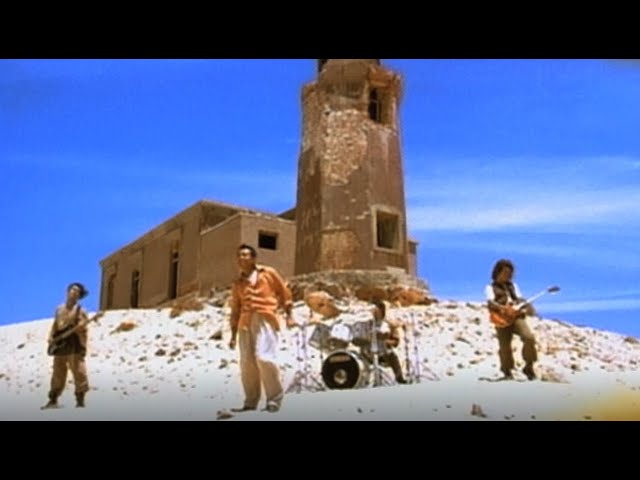
With a sound that evokes clear blue skies and a shining sun, this is a quintessential summer song from TUBE.
It conveys a love so intense it keeps you awake at night, expressed through passionate lyrics and melody.
The protagonist’s once-in-a-lifetime feelings are sure to stir memories of bittersweet love that many have experienced.
Released in May 1994, this smash hit topped the Oricon charts and sold 940,000 copies.
It was also featured in a Toyota Corolla Ceres commercial and has become a karaoke staple loved by many.
It’s the perfect track to share with close friends or colleagues as you reminisce and look back together on life’s milestones.
TSUNAMISazan Ōrusutāzu56rank/position

Known as a masterpiece that likens the pain of heartbreak to a tsunami, this work is a moving love song celebrated as one of Southern All Stars’ signature pieces.
It’s a gem of a ballad that expresses the sorrow of losing someone dear through a grand melody, fully showcasing Keisuke Kuwata’s exceptional songwriting and composing talent.
Released in January 2000, it topped the Oricon weekly charts and won the Japan Record Award the same year.
It was also selected as the theme song for the popular segment “Mirai Nikki III” on the TV program “U-nan no Hontoko!,” becoming a classic beloved across generations.
As a heartwarming song that offers comfort to those carrying the pain of losing someone special, it’s also highly recommended for karaoke.