

![Ranking of Popular Japanese Music and J-POP Artists Among People in Their 40s [2026]](https://i.ytimg.com/vi_webp/Gad0HRgMWGg/maxresdefault.webp)
Ranking of Popular Japanese Music and J-POP Artists Among People in Their 40s [2026]

Here’s a ranking of popular Japanese music artists that makes a great gift for people in their 40s.
Take this opportunity to revisit the songs you used to love!
You might even find that nostalgic artist you used to hear on your car’s FM radio making the list.
It’s a ranking anyone from other generations can enjoy as well, so be sure to check it out.
Ranking of Popular Japanese Music / J-POP Artists Among People in Their 40s [2026] (1–10)
OverMr.Children1rank/position

It captures the quintessential early-’90s Mr.Children vibe: a guitar-band driven rock sound that keeps a pop sensibility, matched with introspective lyrics and a bittersweet melody.
The overall range is D3 to A#4, which might be slightly higher than the average male range.
Especially that chest-voice G#4 after the run of F4s in the chorus—you want that to come out smoothly, right? The key here is explosiveness.
If you deliver every phrase with a bit of an accent, you’ll build momentum and make it easier to project the voice.
After that, switch to falsetto.
To keep the momentum, send your breath straight upward.
At that moment, lifting your facial muscles will help things go more smoothly, so keep those facial muscles raised.

HOWEVERGLAY2rank/position
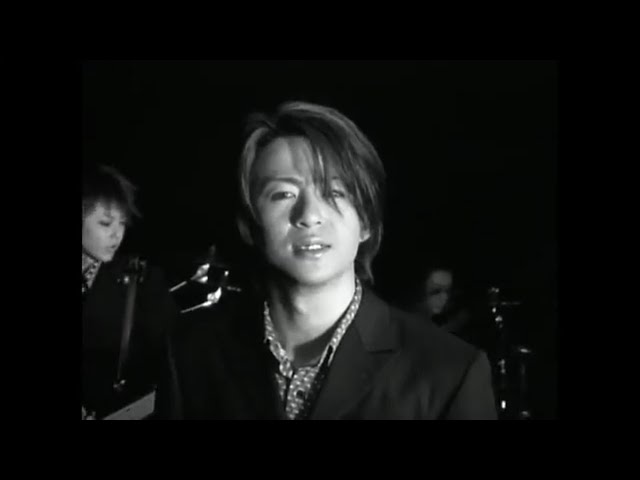
This classic song by GLAY is filled with feelings for a loved one.
Its poignant yet powerful vocals and heart-touching melody are truly captivating.
While lamenting that the meeting with their beloved came too late, the lyrics also express that precisely because of that lateness, they can cherish the happiness they have now—something many listeners can relate to.
Released in 1997 and later used as a TV drama’s ending theme, this piece has continued to be beloved as a staple in live performances.
If you sing it at karaoke when you want to convey your feelings to someone special, it will surely resonate with them.
Why not try singing it while imagining GLAY’s soul-stirring vocals?
Romantic Flightkome kome CLUB3rank/position

Songs that continue to be loved across generations often have melodies with a universal appeal that anyone can sing.
Kome Kome Club’s signature song “Roman Hikō” is truly a timeless classic passed down through the ages.
Released in 1990, it was a massive hit that boosted the band’s mainstream recognition, and for those now in their mid-to-late 40s, it’s likely a nostalgic tune that brings back memories of their elementary or middle school days.
When singing it at karaoke, be mindful of the contrast between the low notes in the verse and the soaring high notes in the chorus, and take care not to go off pitch when the key changes in the final chorus.

Robinsonsupittsu4rank/position

The moment that introductory guitar arpeggio starts to play, many of you probably find the scenes from those days vividly coming back, don’t you? This is a song by Spitz that I want you to listen to when you feel like pausing for a moment amid the hustle of work and home life.
Released in 1995 as their 11th single, it became a massive hit that put their name on the map.
It’s also well known for being used as the ending theme of the variety show “Imada Koji no Shibuya-kei Uraringo” and as an insert song in the drama “Hakusen Nagashi.” Masamune Kusano’s high, crystal-clear voice and the bittersweet yet warm melody are sure to gently comfort a tired heart.
Included on the album “Honey,” this classic is a song that resonates all the more deeply now that we’re adults.
Rose of PassionTHE BLUE HEARTS5rank/position

Released on July 25, 1990, this signature song—written and composed by vocalist Hiroto Kōmoto—became the band’s first to reach No.
1 on the Oricon chart.
It was used as the theme song for the TBS drama “High School Graffiti 2” and in commercials, and its driving punk rock sound and upbeat lyrics have continued to be loved across generations.
A distinctive feature is that the chorus appears only once in the latter half of the song, which I think really hits listeners hard.
I want to sing solidly building up to that chorus.
By the way, I always thought the beginning was the chorus, so I was surprised when I realized it wasn’t…! The opening is also very important, and it seems best to sing it clearly and crisply.
Like tonight’s moonElefanto Kashimashi6rank/position
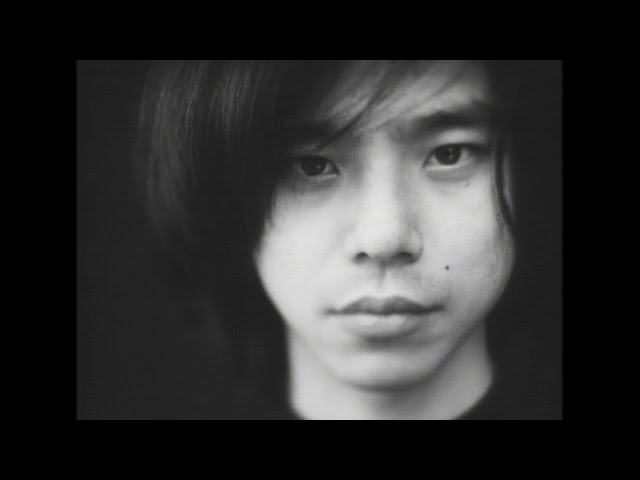
It’s a deeply moving masterpiece that powerfully sings of passion for the future while gazing into everyday feelings of emptiness and loneliness.
Set against the backdrop of a city at dusk, it portrays the solitude and struggles of people living in an urban landscape, yet conveys a strong will to keep looking forward and moving on.
The soulful vocals unique to Elephant Kashimashi and the melody that resonates with the heart are beautifully in harmony.
Released in July 1997, the song was used as the theme for the Fuji TV drama “Because the Moon Shines at Night,” and was also included on the album “Run Toward Tomorrow – Moonlit Songs.” In 2017, it was performed in the band’s first appearance on the NHK Kōhaku Uta Gassen, winning over even more listeners.
It’s a track that will evoke deep empathy when you feel lost in life or spend a night thinking of someone dear.
frecklesJUDY AND MARY7rank/position
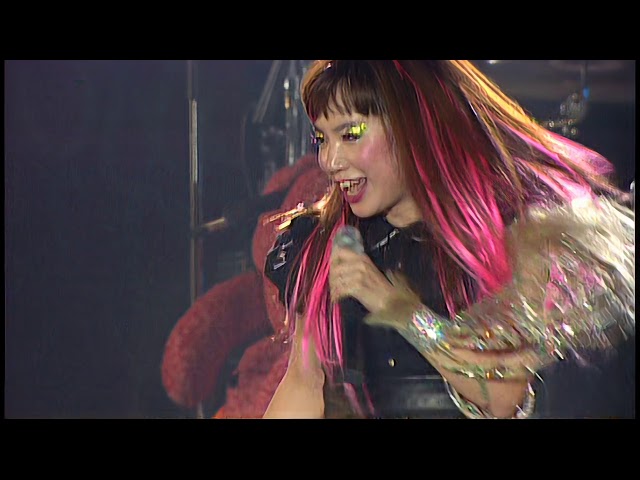
A legendary four-piece rock band synonymous with the category of female-vocal rock bands, JUDY AND MARY’s ninth single.
Used as the opening theme for the TV anime Rurouni Kenshin -Meiji Swordsman Romantic Story-, the song’s lyrics and arrangement were deliberately crafted to be unrelated to the anime itself, which likely shocked many listeners at the time.
The cute vocals riding over the eccentric arrangement instantly take many in their forties—regardless of gender—back to their youth.
It’s a massive hit and the band’s only million-selling single.
