

Ranking of Popular Japanese Music and J-POP Artists Among People in Their 40s [2026]

Here’s a ranking of popular Japanese music artists that makes a great gift for people in their 40s.
Take this opportunity to revisit the songs you used to love!
You might even find that nostalgic artist you used to hear on your car’s FM radio making the list.
It’s a ranking anyone from other generations can enjoy as well, so be sure to check it out.
- [40s] Popular Japanese Music / J-POP Rankings [By Generation]
- Band Rankings Popular Among People in Their 40s [2026]
- Ranking of Popular Japanese Pop (J-Pop) Artists Among People in Their 50s [2026]
- Ranking of Popular Japanese Music and J-POP Artists Among People in Their 30s [2026]
- [40s] Popular Songs Ranking by Generation [2026]
- Popular Japanese songs among women in their 40s: recommended classics and standard hits
- Ranking of Popular Band Songs Among People in Their 40s [2026]
- Songs popular among men in their 40s. Timeless classics that bring back memories.
- [50s] Popular Song Ranking by Generation [2026]
- Ranking of Popular Band Songs Among People in Their 50s [2026]
- [30s] Popular Songs Ranking by Generation [2026]
- Nostalgic Japanese Pop Hits That Get 40-Something Men and Women Excited
- Nostalgic Songs Perfect as Driving BGM for People in Their 40s
Ranking of Popular Japanese Music/J-POP Artists Among People in Their 40s [2026] (51–60)
Promise of SunflowersHata Motohiro57rank/position
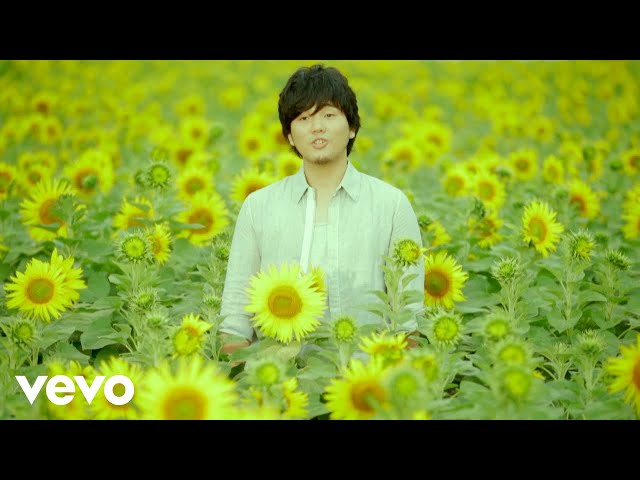
This is a song whose gentle vocals and guitar tones resonate in the heart.
The lyrics, which sing about the bond with a loved one and caring for each other, can bring you to the verge of tears.
Released in 2014 as the theme song for the film “STAND BY ME Doraemon,” it moved many people.
Motohiro Hata’s warm singing voice deepens the emotion of the story.
It’s a song you’ll want to listen to when you want to express gratitude to someone important to you, or when you want to be there for someone.
Also recommended as wedding background music.
PRIDEImai Miki58rank/position

A heartfelt love song that Tomoyasu Hotei wrote for Miki Imai.
It’s said to be a track that symbolizes the bond of the two, who later became husband and wife.
It was also used as the theme song for the drama “Doc.” The vocal range is F3 to C#5, and while there are some slightly higher parts, the relaxed tempo makes it easy to sing in chest voice.
It’s more of a spoken-style song, so it’s best to sing lightly without forcing it.
Keep your facial muscles lifted and your throat open at all times.
If you open your mouth, you’ll notice the soft palate at the back of your throat.
Try to open that area and let your breath flow steadily—this will help you produce sound with ease.
Also, placing the voice as you sing can create a gentle atmosphere, which might work nicely.

Love will winKAN59rank/position

When it comes to songs that give you an involuntary boost, this one is it.
Released in 1990, it was used as the ending theme for TV Asahi’s “Quiz Omoshiro TV,” and later as an insert song on Fuji TV’s “Houchan’s Yamada Katsutenai TV.” It carries a powerful message that love will triumph no matter what hardships you face.
KAN reportedly wrote this song after giving relationship advice to a friend.
He was also conscious of Billy Joel’s style when composing it, and together with the sound of the piano, its warm message resonates in the heart.
It’s recommended for when you’re feeling down or want to push yourself.
It’s sure to lift your spirits.
HONEYL’Arc〜en〜Ciel60rank/position

When it comes to artists that men in their 40s often listened to, doesn’t L’Arc~en~Ciel come to mind? This time, I’d like to introduce “HONEY.” One of my students practiced this song too.
L’Arc~en~Ciel’s vocal range is surprisingly on the lower side.
I think it’s easy to sing for people with a typical male range plus the ability to use falsetto.
The chorus is very clear and uplifting, so it’s easy to add dynamics, and rock fans will love it! On the flip side, the key might be how to keep the low notes from getting muffled.
If you’re not used to a certain range, both low and high notes can require a lot of breath.
When singing low notes, imagine releasing a slow, steady mass of air—your body will resonate more easily and you’ll hear your own voice better.
And above all, the groove matters! It also makes it easier to project your voice, so sing with energy and get into the groove!
Ranking of Popular Japanese Music/J-POP Artists Among People in Their 40s [2026] (61–70)
After the FestivalKuwata Keisuke61rank/position

That sudden stillness and loneliness that arrives after a joyful time.
Keisuke Kuwata masterfully sings of that sentimental scene that everyone can relate to.
Released in October 1994, this song was also used as the theme for the drama “Shizukanaru Don,” and surely remains in many people’s memories.
The helpless lingering attachment and unbroken, pure feelings after a passionate love has ended are woven together by a weathered, Dylan-esque vocal timbre and a gently resonant acoustic sound.
The faint warmth and bittersweet ache that remain after the frenzy—portrayed so vividly in this work—are truly nothing short of breathtaking.
It’s a gem of a rock ballad, perfect for immersing yourself in quiet reflection on days gone by as summer ends and autumn begins.
That’s important.Daiji MAN Burazāzu Bando62rank/position

A powerful, encouraging song that lifts your spirits when times are tough or you feel like giving up.
Its lyrics preach the importance of not giving up, and the strong yet approachable melody resonates deeply.
With the warmth of a friend giving you a gentle push forward, this song has become a source of support for many.
Released by Daiji MAN Brothers Band in August 1991, the track was used as the ending theme for “Sports Frontier” and also served as the theme song for “Hō-chan no Yamada Katsutenai Television.” It topped the Oricon Weekly Singles Chart for five consecutive weeks and became a massive hit, selling an impressive 1.8 million copies.
When you find yourself troubled or at a standstill in life, listening to this song will surely give you the courage to move forward.
One more time, One more chanceYamazaki Masayoshi63rank/position

When it comes to bittersweet love songs, many people probably think of Masayoshi Yamazaki’s voice.
This song, which portrays the feelings of searching endlessly for someone you can never forget while carrying a sense of loss and loneliness, is a classic whose acoustic guitar tones and husky vocals truly move the heart.
Released as a single in January 1997, it became a hit as the theme song for the film The Moon and a Cabbage, in which Yamazaki himself starred, and was also included on the album HOME.
It later returned to the spotlight in March 2007 as the theme song for the animated film 5 Centimeters per Second.
It’s a track I hope you’ll listen to quietly with your favorite drink when daily life starts to feel stifling and you want to gently loosen those taut strings.