

Ranking of Popular Japanese Music and J-POP Artists Among People in Their 40s [2026]

Here’s a ranking of popular Japanese music artists that makes a great gift for people in their 40s.
Take this opportunity to revisit the songs you used to love!
You might even find that nostalgic artist you used to hear on your car’s FM radio making the list.
It’s a ranking anyone from other generations can enjoy as well, so be sure to check it out.
- [40s] Popular Japanese Music / J-POP Rankings [By Generation]
- Band Rankings Popular Among People in Their 40s [2026]
- Ranking of Popular Japanese Pop (J-Pop) Artists Among People in Their 50s [2026]
- Ranking of Popular Japanese Music and J-POP Artists Among People in Their 30s [2026]
- [40s] Popular Songs Ranking by Generation [2026]
- Popular Japanese songs among women in their 40s: recommended classics and standard hits
- Ranking of Popular Band Songs Among People in Their 40s [2026]
- Songs popular among men in their 40s. Timeless classics that bring back memories.
- [50s] Popular Song Ranking by Generation [2026]
- Ranking of Popular Band Songs Among People in Their 50s [2026]
- [30s] Popular Songs Ranking by Generation [2026]
- Nostalgic Japanese Pop Hits That Get 40-Something Men and Women Excited
- Nostalgic Songs Perfect as Driving BGM for People in Their 40s
Ranking of Popular Japanese Music/J-POP Artists Among People in Their 40s [2026] (71–80)
crescent moonayaka78rank/position

This song is distinguished by its poignant melody and heartfelt lyrics, making it a timeless classic that captures listeners’ hearts and never lets go.
Released in September 2006, it was chosen as the theme song for NHK’s “Mirai Kansoku Tsunagaru TV @ Human,” resonating deeply with many people.
Ayaka’s clear, crystalline vocals beautifully convey the bittersweet feelings of a long-distance romance.
The track is also very popular for karaoke, and for those with experiences in love, it may be a song you’ll find yourself humming along to with memories in mind.
When you want to share the feelings you’ve kept in your heart with someone special, why not give this song a listen?
Until the world endsWANDS79rank/position

This masterpiece fuses Sho Uesugi’s lyrics, which depict urban loneliness and despair, with Tetsuro Oda’s wistful melody, powerfully stirring listeners’ hearts.
Released in June 1994, it was used as the second ending theme for the TV Asahi anime SLAM DUNK and became a million seller, surpassing 1.2 million copies.
It’s also included on the acclaimed album PIECE OF MY SOUL, and many people were undoubtedly hooked on it at the time.
The progression from a quiet opening to an explosive chorus makes it perfect for belting out at karaoke.
Sing it with friends from the same generation, and those fiery feelings from back then are sure to come rushing back.
ROSIERLUNA SEA80rank/position

LUNA SEA is a five-member rock band whose inimitable musicality has electrified fans, inspiring countless visual kei bands to emulate their style.
Their third single, “ROSIER,” became a major hit despite having no tie-in, even winning the Japan Record Awards’ Best Promotional Video.
Its thrilling, syncopation-heavy beat naturally sends your energy soaring just by listening.
While it has a driving sense of speed, the song sits in a lower key, making it a rock tune that’s relatively easy to sing at karaoke.

Ranking of Popular Japanese Music / J-Pop Artists Among People in Their 40s [2026] (81–90)
budKobukuro81rank/position
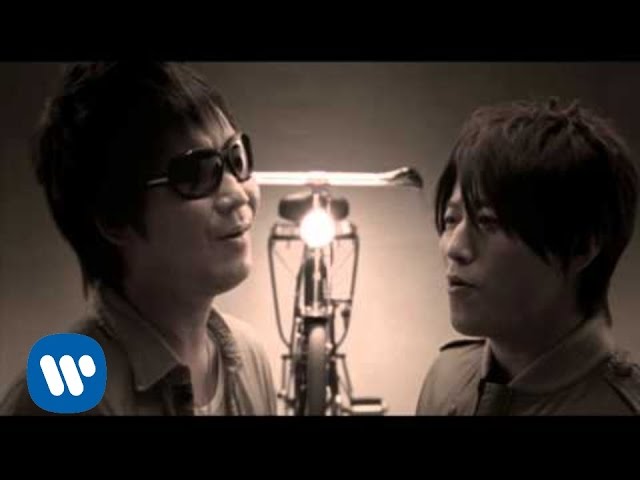
Kobukuro has many songs that move you with their vocal prowess and lyrical depth.
This work is their 14th single, released in March 2007, and it became widely loved as the theme song for the Fuji TV drama “Tokyo Tower: Mom and Me, and Sometimes Dad.” Written by Kobuchi with thoughts for his mother, who passed away when he was young, the song conveys the aching sense of loss after losing someone precious, while also powerfully urging you to keep looking forward and walking on.
Centered on acoustic guitar with a simple sound, the duo’s harmonies gently seep into the heart, and the emotional melody of the chorus surges to stir your feelings.
It is also known as one of the defining songs of 2007, having won the 49th Japan Record Award.
Spring is a season of meetings and farewells.
Not every song will put you in a cheerful mood—some people carry heavy feelings.
This is a moving number that quietly stays by your side in such times and makes you think, “Maybe I can keep trying a little longer.”
The Last RainYasushi Nakanishi82rank/position

Yasushi Nakanishi’s classic, filled with gentle yet heartrending emotion, is a ballad about parting with a lover.
The breakup scene, overlaid with imagery of rain, along with the portrayal of deep affection, possessiveness, and the acceptance of being unable to make the other person happy, leaves a strong impression.
The beautiful arrangement of piano and strings further highlights the crystalline quality of his vocals.
Released in August 1992, it was later used as the theme song for Hitachi’s “Ashita P-KAN Kibun!” and gradually gained support, ultimately becoming a massive hit with total sales of 900,000 copies.
In karaoke, its relaxed tempo and relatively narrow vocal range make it easy to sing calmly.
Why not sing it while carefully unfolding its story-like lyrics, together with your cherished memories?
astronomical observationBUMP OF CHICKEN83rank/position

A timeless masterpiece that has captured the hearts of countless generations continues to resonate with many people today.
Released by BUMP OF CHICKEN in February 2002, this song is known as one of the band’s signature tracks and was also used as an insert song for a Kansai TV/Fuji TV drama.
Included on the album “jupiter,” it became a million-seller.
Its lyrics contrast the innocence of childhood with the complex emotions of adulthood, portraying a willingness to face unanswerable questions—an approach that resonates with those standing at life’s crossroads.
As a song that gives listeners the courage to move forward without fearing failure, it has become a source of support for many.
StoryAI84rank/position

The AI with the famously husky voice.
While there are some high notes in the song, it’s mostly sung in a natural mid-range chest voice, so “Story” should be quite easy to sing! The tricky part of this song is definitely the high notes in the bridge.
My students practiced that same spot over and over.
If you sing it with the same feel as the chorus, you’ll run out of breath and your voice won’t carry.
It’s crucial to prepare before hitting the high notes! Since the song flows straight into the bridge after the end of the second verse, it can move on before you’ve had time to prepare… Take a quick breath right before the bridge and project your voice powerfully as if aiming into the distance! For the vowel “i,” it’s easy to spread the mouth sideways and tense up, so it’s easier to produce if you create space inside your mouth while pronouncing it.
