

Chiyoko Shimakura’s Most Popular Songs Ranking [2026]

He was an enka and kayōkyoku singer active from 1954 to 2013.
In particular, his work as an enka singer influenced many other artists.
He also made many media appearances, including 30 performances on the NHK Kōhaku Uta Gassen.
Here, we will introduce some of his popular songs.
- Popularity Ranking of Songs by Generation: 60s [2026]
- Sachiko Kobayashi Popular Songs Ranking [2026]
- Aki Yashiro’s Most Popular Songs Ranking [2026]
- Masaaki Sen’s Popular Song Rankings [2026]
- Sayuri Ishikawa Popular Song Ranking [2026]
- Sayuri Ishikawa Karaoke Hit Songs Ranking [2026]
- Kasuga Hachiro Popular Song Rankings [2026]
- Karaoke Popular Song Ranking of Ikuzo Yoshi [2026]
- [Classic Showa Kayō Hits] The captivating Showa-era pop songs beloved even by younger generations
- Thrilling to Cool Showa-Era Tunes! Classic Songs from Female Singers and Artists of the Showa Period
- Kurahashi Yoeko Popular Song Ranking [2026]
- [2026] A roundup of female enka singers in their 60s: Artists who support Japanese enka
- Classic and hit J-pop songs from the nostalgic ’90s
Chiyoko Shimakura's Most Popular Songs Ranking [2026] (1–10)
Higashine Onsen KoutaShimakura Chiyoko8rank/position

The hot spring area in Higashine City, Yamagata Prefecture is also known as Sakuranbo Higashine Onsen, as the region is famous for cherries.
The singer of this song is Chiyoko Shimakura before her debut, likely around 1957 (Showa 32).
Since her debut song was “Kono Yo no Hana,” this is quite a treasure.
Cape ErimoShimakura Chiyoko9rank/position

Chiyoko Shimakura’s “Erimo Misaki” is a touching heartbreak song themed around parting from a loved one.
The lyrics, which depict a quiet autumn night brewing coffee alone and the way the couple’s past appears blurred with tears, tighten the chest.
Its wistful melody and Shimakura’s deeply expressive vocals resonate profoundly with listeners.
Released in 1961, the song remains one of Shimakura’s signature works, cherished by many.
While mourning a lost love, it also conveys gratitude for the memories.
It’s a song I especially recommend to anyone who has experienced saying goodbye to someone dear.
Who Would Not Think of Their HometownShimakura Chiyoko10rank/position

Chiyoko Shimakura’s “Dareka Kokyō o Omowazaru” is a classic that brings back nostalgic memories.
The lyrics are filled with recollections of childhood friends and family.
It’s a moving song that sings of the feelings people living in the city have for their hometowns.
Shimakura’s clear, pure voice enhances the song’s charm even more.
When seniors listen to it, they will surely picture the familiar landscapes of their hometowns.
Although it was included on an album released in 2003, the song has been loved by many for a long time.
It’s also nice to sing it together during recreation time—it might spark lively reminiscences.
Chiyoko Shimakura Popular Songs Ranking [2026] (11–20)
touch-me-not (balsam; Impatiens balsamina)Shimakura Chiyoko11rank/position

Chiyoko Shimakura created numerous hit songs throughout her life and was widely beloved for pieces like “Tokyo Dayo, Okkasan.” “Balsam” (Hōsenka) was released in 1981 and portrays a straightforward romantic heart by likening it to a balsam flower.
The song expresses, with earnest sincerity despite some awkwardness, the depth of the singer’s love for the man she cherishes, deeply resonating with listeners.
While its lyrics speak across generations, I believe they will especially resonate with those who have rich life experience.
It’s Tokyo, Mom.Shimakura Chiyoko12rank/position
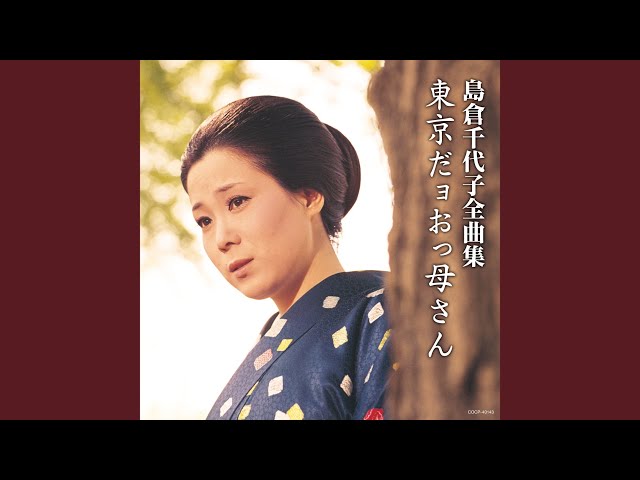
This is a song by Chiyoko Shimakura that depicts a cheerful scene of sightseeing in Tokyo together with one’s mother.
The song strongly conveys the desire to make the mother happy, bringing to mind the image of a Mother’s Day gift.
Through its gentle atmosphere and lyrics that feel like speaking directly to the mother, it expresses deep love and kindness toward her.
It also conveys a heartfelt wish for the mother to live a long life.

Burning KagoshimaShimakura Chiyoko13rank/position
Ms.
Shimakura has many hit songs, but I didn’t know this one.
Her gentle, beautiful voice resonates.
It specifically sings about Kagoshima, and I like how she occasionally delivers the phrases in a charming way.
It’s delicate and, I think, suits Japanese traditional dance as well.
It’s Tokyo, Mom.Shimakura Chiyoko14rank/position

This is one of Shimakura’s signature songs, depicting the scenes and emotions of guiding her mother around Tokyo.
There’s an episode that it couldn’t be performed on the Kōhaku Uta Gassen because the second verse was interpreted as having militaristic lyrics.
It’s tricky how just the word “Kudanshita” can make it so difficult.