

[For People in Their 60s] Karaoke Songs That Get the Crowd Going: Ranking [2026]

The key to choosing songs at karaoke is whether they can liven up the atmosphere, right?
This time, we’re introducing karaoke songs that have been popular and crowd-pleasing among people in their 60s.
We hope you find this helpful!
Give them a try.
- [60s] Karaoke Popularity Rankings by Generation [2026]
- Karaoke songs that are sure to get a 60-something man fired up
- Recommended for women in their 60s! Songs that get the crowd going at karaoke
- [For People in Their 60s] Ranking of Easy-to-Sing Karaoke Songs [2026]
- [Recommended for people in their 70s] Songs that get everyone excited. Songs you’ll want to sing at karaoke.
- Popularity Ranking of Songs by Generation: 60s [2026]
- Recommended for women in their 60s! Easy-to-sing Japanese karaoke songs
- [2026] Crowd-Pleasing Songs Recommended for People in Their 50s: A Collection of Nostalgic Classics
- Japanese karaoke songs that are easy for men in their 60s to sing
- Best Karaoke Songs and Popular Band Rankings for Lively Fun in Your 60s [2026]
- [For People in Their 50s] Ranking of Easy-to-Sing Karaoke Songs [2026]
- Karaoke Popularity Ranking by Generation [50s] [2026]
- [Ages 60s] Popular Japanese Music / J-POP Rankings [By Generation]
[60s] Karaoke Crowd-Pleasers Ranking [2026] (71–80)
Full-Power BoySukima Suichi78rank/position

A powerful youth rock song by Sukima Switch that vividly portrays young people living life to the fullest! The lyrics, which celebrate the spirit of those who keep taking on challenges, give you the courage to face difficulties.
Released in July 2005, the track was widely featured in the media, including as the CM song for NTT DoCoMo Kansai and the opening theme for Nippon TV’s “Music Fighter.” It also drew major attention when performed during their first appearance at the 56th NHK Kohaku Uta Gassen.
If you’re trying to take on something new but can’t quite take the first step, this is the song for you.
Listening to it will fill you with the courage to overcome fear and move forward!
Letter ~Dear Fifteen-Year-Old Me~Anjura Aki79rank/position

A heartwarming ballad that gently embraces the worries and uncertainties of adolescence.
Angela Aki’s clear, translucent voice and piano melody offer comfort to the anxiety we all carry.
Released in 2008, the song drew significant attention as the compulsory piece for the NHK National School Music Competition’s junior high division and as an insert song in the film “Shodo Girls!! Our Koshien.” Its appeal also lies in the grand arrangement that begins with simple piano accompaniment and gradually adds strings and chorus.
It’s a song that resonates in the heart—an anthem that gives you the courage to believe in yourself when you stand at a crossroads in life.
Let It Go ~As I Am~Matsu Takako80rank/position
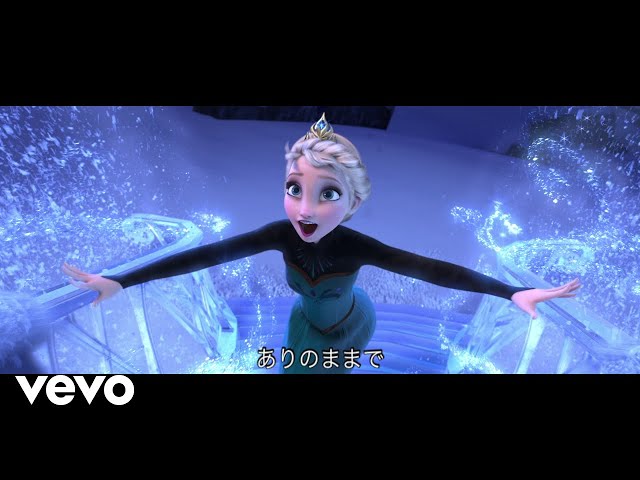
This song, which became a global sensation as the theme song of a Disney film, carries a powerful message about the importance of living true to oneself.
The joy of unleashing the “real you” that everyone keeps deep inside, and the strong will toward self-actualization, are expressed through its grand melody and Takako Matsu’s clear, resonant vocals.
Released alongside the film in March 2014, it won the JASRAC Award for Overseas Works.
It also ranked first in a “Songs That Touched the Heart” poll chosen by seniors, inspiring cross-generational empathy.
It’s a perfect song to sing for those who feel life is challenging or who want to take a new step forward.
If you sing it together at karaoke to lift each other’s spirits, it will surely brighten your heart.
[For People in Their 60s] Karaoke Crowd-Pleasers Ranking [2026] (81–90)
Like tonight’s moonElefanto Kashimashi81rank/position
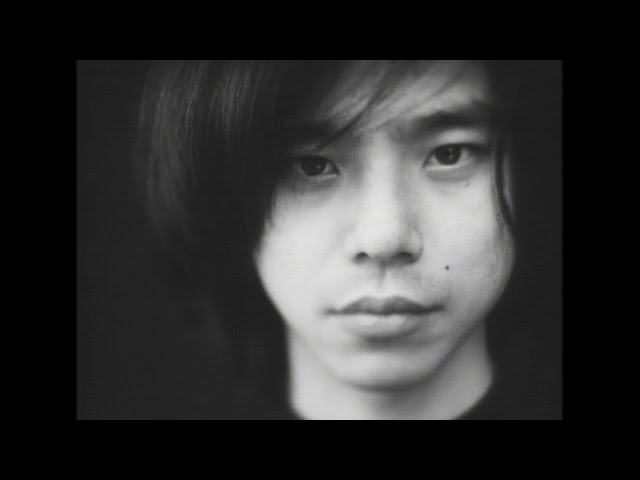
It’s a deeply moving masterpiece that powerfully sings of passion for the future while gazing into everyday feelings of emptiness and loneliness.
Set against the backdrop of a city at dusk, it portrays the solitude and struggles of people living in an urban landscape, yet conveys a strong will to keep looking forward and moving on.
The soulful vocals unique to Elephant Kashimashi and the melody that resonates with the heart are beautifully in harmony.
Released in July 1997, the song was used as the theme for the Fuji TV drama “Because the Moon Shines at Night,” and was also included on the album “Run Toward Tomorrow – Moonlit Songs.” In 2017, it was performed in the band’s first appearance on the NHK Kōhaku Uta Gassen, winning over even more listeners.
It’s a track that will evoke deep empathy when you feel lost in life or spend a night thinking of someone dear.
planetariumOtsuka Ai82rank/position

A signature song by Ai Otsuka that delicately expresses a bittersweet love with a clear, translucent voice.
Comparing the pain of heartbreak to a starry sky, this moving piece overlays memories of a finished romance with the glow of a planetarium.
Included on the album “LOVE COOK” and released in September 2005, it’s also remembered as the theme song for the drama “Koi no Karasawagi.” Beginning with a gentle piano melody, Ai Otsuka’s clear vocals resonate as if soaking into the listener’s heart.
While cherishing memories, it’s a song that inspires you to look ahead and keep moving forward.
Why not sing this memory-filled song for someone special, with all your heart?
Don’t give up on your dreamsOkamura Takako83rank/position

After her success as a member of Amin, Takako Okamura also flourished as a singer-songwriter.
She has an exceptionally clear voice and excels at simple vocals that make the most of her tone.
“Yume wo Akiramenaide” is one of her signature songs.
Its range is narrow and there’s not much vibrato, so simply staying on pitch is enough to aim for a high score.
While the scarcity of long tones makes it a bit harder to rack up bonus points with vibrato or falls, the pitch is undeniably easy to follow—so definitely consider adding it to your repertoire.

I’m falling in love with you againSakamoto Fuyumi84rank/position

A gem of a love song by Fuyumi Sakamoto that gently portrays a rekindled romance blossoming between a long-married couple.
The serene melody and her emotive vocals weave a harmony that deeply resonates with listeners.
With warm, tender strokes, it depicts the precious affection found in everyday moments and gratitude for the many years overcome together.
Released in January 2009 as the coupling track to “Pirates of Asia,” the song also became beloved as the theme for Sanwa Shurui’s Mugi Shochu iichiko commercial.
It is included on the album “Love Songs ~ Mata Kimi ni Koishiteru ~,” and has earned support from a wide range of generations.
A recommended track for anyone wishing to rediscover the value of time spent with someone dear.