

Popularity Ranking of Songs by Generation: 60s [2026]

We’re excited to unveil the latest top 100 rankings from this year’s age-based popular songs list, showcasing the tracks most listened to by people in their 60s—counted down in order of play count!
By checking the rankings, you’ll see what many in their 60s—who have a wealth of experience and are working hard to leave no loose ends as they approach retirement—were listening to around this time.
The playlist is updated weekly.
- [2026 Edition] Songs Loved by People in Their 60s: Classic Hits from Their Youth
- [60s] Karaoke Popularity Rankings by Generation [2026]
- [For People in Their 60s] Karaoke Songs That Get the Crowd Going: Ranking [2026]
- Good songs recommended for people in their 60s: classic and popular Japanese tracks
- Ranking of Popular Japanese Music and J-POP Artists Among People in Their 60s [2026]
- Coming-of-age songs for your 50s: heart-thumping × heartwarming classics and popular tracks [2026]
- [Ages 60s] Popular Japanese Music / J-POP Rankings [By Generation]
- Band Rankings Popular Among People in Their 60s [2026]
- [50s] Popular Song Ranking by Generation [2026]
- Best Karaoke Songs and Popular Band Rankings for Lively Fun in Your 60s [2026]
- Band song rankings popular among people in their 60s [2026]
- Recommended for women in their 60s! Songs that get the crowd going at karaoke
- Love songs that resonate with women in their 60s: gem-like romance tunes that revive memories of youth.
[60s] Generation-Specific Popular Songs Ranking [2026] (21–30)
Winter LightningArisu29rank/position

This is one of Alice’s signature works, likening a storm of emotions to lightning.
With lyrics by Shinji Tanimura and music by Takao Horiuchi, the song was released in October 1977.
Although it initially struggled, it became a major hit the following year, ranking 16th on Oricon’s 1978 year-end chart and selling a total of 540,000 copies.
The lyrics are striking, overlaying the pain of parting with fierce lightning and expressing emotions that surge from deep within the heart.
It’s a track that signals a new frontier for Alice as they shifted from folk to rock.
In 2021, it was also featured in a McDonald’s commercial, remaining beloved across generations.
When your heart wavers in the cold season, why not give this song a listen?
Heartbreak RestaurantShimizu Kentarō30rank/position

Set in a restaurant portrayed as a place to heal the pain of heartbreak, this story gently envelops a wistful heart.
Released in November 1976 as Kentaro Shimizu’s debut, the song struck a chord with many through its light, catchy melody and deeply affecting lyrics.
Through the perspectives of heartbroken patrons who gather at the restaurant and a protagonist who has yet to experience love, it depicts the universality of love’s joy and sorrow.
It reached No.
1 on the Oricon Singles Chart in February 1977 and became a major hit with approximately 647,000 copies sold.
It also won numerous awards, including Best New Artist at the Japan Record Awards that same year.
A gem of a ballad to listen to when you want to soothe the pain of heartbreak or be a source of comfort for someone else.
[60s] Popular Songs Ranking by Generation [2026] (31–40)
The Maiden with Flaxen HairShimatani Hitomi31rank/position

Released by Hitomi Shimatani in May 2002, this song is a celebrated piece that portrays a refreshing romance.
It expresses a young girl’s feelings of love through dreamlike imagery, beautifully harmonizing with scenes of landscape and nature.
The lyrics, imbued with youth and purity, are complemented by her clear, translucent vocals, capturing the brilliance of innocent love in full.
Featured in a commercial for Kao Essential Damage Care Shampoo, it became a major hit, peaking at No.
4 on the Oricon Weekly Chart.
With its broad, expansive melody and an elegant tone that sways like hair in the wind, it carries a familiar charm that invites everyone to hum along.
The Day the Seagulls FlewWatanabe Machiko32rank/position
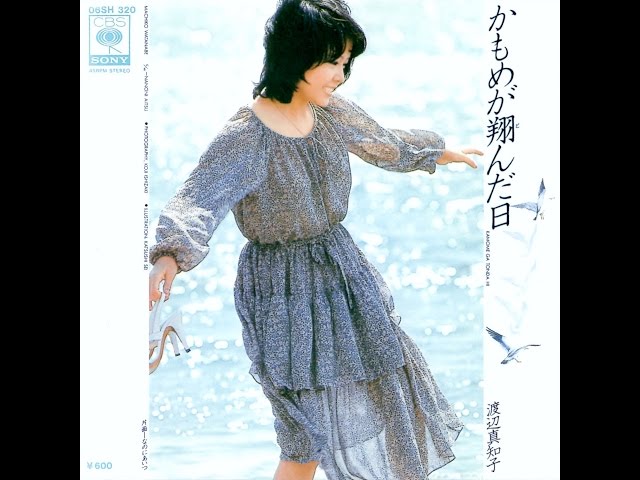
Speaking of Machiko Watanabe’s signature works, it’s a refreshing song everyone knows.
Many listeners are likely moved by the lyrics, which depict a beautiful seaside scene and lingering feelings for a former lover.
Released in April 1978, the song was a major hit, winning the Japan Record Awards’ Best New Artist and more.
Its sales of 460,000 copies also attest to its immense popularity.
If you sing it at karaoke, we recommend performing it as if feeling a gentle sea breeze, empathizing with someone who has gone through a breakup.
Imagine the seaside scenery and sing at an easy pace—you’ll surely deliver a lovely performance.
Blue ChateauJakkī Yoshikawa to Burū Komettsu33rank/position

A bittersweet love story unfolds against the backdrop of a blue castle surrounded by forests and springs.
Considered a landmark of the Group Sounds era, this song became a massive hit upon its release in 1967 and won the 9th Japan Record Award.
Selling over one million copies and securing a spot in the 18th NHK Kōhaku Uta Gassen, it has become a classic in the history of Japanese pop music.
While influenced by Western music, it retains the distinct character of Japanese kayōkyoku, with a beautiful melody and lyrics that resonate deeply—continuing to be cherished by many to this day.
It’s a track brimming with the charm of Jackie Yoshikawa and the Blue Comets; why not listen to it together with someone special?
A café in a student districtGaro34rank/position

This is a classic hit by Garo that brings back nostalgic memories of student days.
Composed by Koichi Sugiyama with lyrics by Michio Yamagami, the song gently portrays memories of a former lover, set in a coffee shop in a student district.
Released in June 1972, it went on to top the Oricon charts for seven consecutive weeks the following year and won the Newcomer Award at the Japan Cable Radio Awards.
It was later used in a 1980 commercial for Gohan Desu Yo! and featured in the 2018 NHK morning drama Half, Blue., among other appearances, showing its enduring popularity.
This piece evokes a longing for youthful days.
Why not sing it together with seniors and enjoy reminiscing about those times?
outdatedKawashima Eigo35rank/position

Eigo Kawashima was a singer-songwriter with a refined musicality who earned overwhelming support from men.
For people in their 60s, he might be the perfect artist.
Among the many classic songs he created, the one I especially recommend is Jidai Okure (Behind the Times).
It’s a no-nonsense piece portraying a man admired by men, and it became a major hit in the 1980s.
Despite that, the song is also very easy to sing.
Even those who aren’t confident singers find it approachable, and it remains a popular choice at karaoke.
