

Popularity Ranking of Songs by Generation: 60s [2026]

We’re excited to unveil the latest top 100 rankings from this year’s age-based popular songs list, showcasing the tracks most listened to by people in their 60s—counted down in order of play count!
By checking the rankings, you’ll see what many in their 60s—who have a wealth of experience and are working hard to leave no loose ends as they approach retirement—were listening to around this time.
The playlist is updated weekly.
- [2026 Edition] Songs Loved by People in Their 60s: Classic Hits from Their Youth
- [60s] Karaoke Popularity Rankings by Generation [2026]
- [For People in Their 60s] Karaoke Songs That Get the Crowd Going: Ranking [2026]
- Good songs recommended for people in their 60s: classic and popular Japanese tracks
- Ranking of Popular Japanese Music and J-POP Artists Among People in Their 60s [2026]
- Coming-of-age songs for your 50s: heart-thumping × heartwarming classics and popular tracks [2026]
- [Ages 60s] Popular Japanese Music / J-POP Rankings [By Generation]
- Band Rankings Popular Among People in Their 60s [2026]
- [50s] Popular Song Ranking by Generation [2026]
- Best Karaoke Songs and Popular Band Rankings for Lively Fun in Your 60s [2026]
- Band song rankings popular among people in their 60s [2026]
- Recommended for women in their 60s! Songs that get the crowd going at karaoke
- Love songs that resonate with women in their 60s: gem-like romance tunes that revive memories of youth.
[60s] Popular Songs Ranking by Generation [2026] (41–50)
youthMorita Kōichi to Toppugyaran50rank/position
Released in 1976, Koichi Morita & Top Gallant’s song “Seishun Jidai” is etched deeply in the hearts of those in their 60s.
Nostalgic yet powerful, it brings back the feelings of those school days for many.
Yasushi Akutagawa’s lyrics carefully capture the complexities of youth, and their message still resonates unfaded today.
A million-seller that appeared on the 1977 NHK Kōhaku Uta Gassen, it has been covered many times over the years and continues to be loved by people of all generations.
Let’s sing along as we reflect on those days that remain in our hearts.
[60s] Popular Songs Ranking by Generation [2026] (51–60)
At all times.Makihara Noriyuki51rank/position

A signature work by Noriyuki Makihara that delivers a universal message of living true to yourself, carried by a powerful yet gentle melody.
While acknowledging the doubts and anxieties of life, this classic is imbued with a strong resolve to cherish your true self.
Included on the album “Who Do You Share a Happy Yawn With?”, it became a massive hit, surpassing one million copies within six months of its June 1991 release.
It was also selected as the entrance march for the 64th National High School Baseball Invitational Tournament in spring 1992.
The melody, featuring a distinctive acoustic guitar and a calm tempo, makes it easy to sing.
For many people, it’s a song that resonates in the heart when standing at a crossroads or when they feel on the verge of losing themselves.
Midnight Door ~ Stay with MeMatsubara Miki52rank/position

The bittersweetness of the night that resonates with her lustrous singing voice invites you into the world of urban mood music.
Miki Matsubara’s debut single is a gem that sets lingering feelings for a former lover to a disco-style rhythm.
Its appeal lies in the sophisticated atmosphere woven by an urban sound that evokes adult romance and polished English phrases.
Released in November 1979 and included on the album “POCKET PARK,” the track became a major hit, reaching No.
28 on the Oricon charts.
It’s recommended for moments when you want to immerse yourself in precious memories while picturing a city nightscape like a scene from a film.
It’s also cherished as an adult love song that can be sung with a smooth, mellow mood.
Love will winKAN53rank/position

A signature song by KAN, known for his warm vocals and relatable lyrics.
With its bright, catchy rhythm and a simple yet deeply resonant message, it has brought comfort to many listeners.
Both the melody and the abstract, universal lyrics make it a gem that skillfully incorporates elements of Western music while remaining distinctly Japanese pop.
Released in September 1990 by Polydor Records, it was featured as an insert song on the TV program “Hō-chan no Yamada Katsute Nai Terebi.” Sales exceeded 2.01 million copies, and KAN also performed it at the 1991 Kōhaku Uta Gassen.
The song’s pleasant piano tone and relaxed tempo make it an easy and enjoyable choice for karaoke.
Pink sighTakahashi Mariko54rank/position
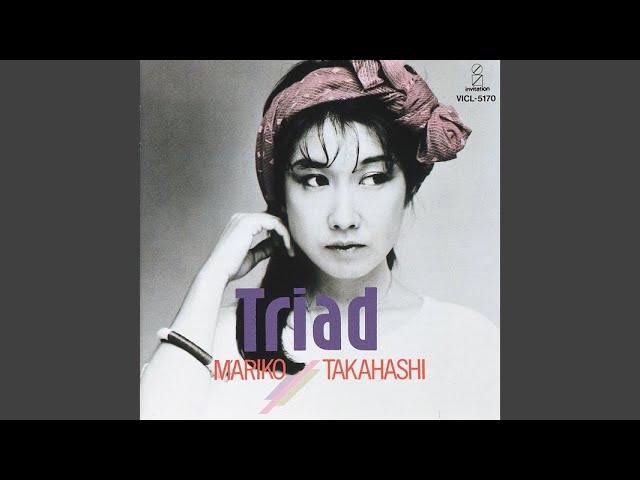
Mariko Takahashi’s classic “Momoiro Toiki.” It features a distinctly exotic melody and, while it carries elements of mood kayō (mood enka), it also incorporates contemporary J-pop characteristics.
The piece sits within a relatively narrow vocal range of mid1 G# to high C.
Since the most frequent pitch is around mid2 G#, most women should be able to sing it without difficulty.
As the song prioritizes mood, it’s recommended to sing with careful dynamics.
If a phrase ends with a consonant, letting it fade out as a voiceless sound can be an effective touch.

Sailor Suit and Machine GunYakushimaru Hiroko55rank/position

A perfect song for anyone who has parted ways with someone important to chase their dreams.
Released in November 1981 as Hiroko Yakushimaru’s debut single, it became a huge hit as the theme song for the film of the same name.
With its simple melody and careful, heartfelt vocals, it felt fresh amid the fierce idol boom of the time.
It was also used as an insert song in the anime Maison Ikkoku, making it beloved across generations.
Sing it at karaoke, and memories of your youth will come rushing back—sure to spark lively conversations with friends.
Why not sing it together with your closest companions?
PRIDEImai Miki56rank/position

A heart-stirring anthem that turns hidden love into pride is delivered by Miki Imai.
Gazing up at the southern night sky, this piece sings of deep affection and resolve for a beloved, a gem of a love song crafted by Tomoyasu Hotei.
It gently speaks of the kindness to forgive one another and the joy of cherishing each other’s individuality, tenderly resonating with listeners’ hearts.
Released in November 1996, it was selected as the theme song for the Fuji TV drama “Doc,” generating a huge response by topping the Oricon charts for three consecutive weeks.
For those who wish to keep moving forward or who hold thoughts of someone precious close to their heart, it will offer gentle companionship—like a gift from the starry sky.