



When it comes to Masaki Suda, many people are not only captivated by his overwhelming presence as an actor but also deeply moved by his singing voice.
His songs, which seem to place delicate emotions directly onto sound, reveal something new every time you listen.
In this article, we’ll be showcasing a generous ranking of Masaki Suda’s tracks.
You might just find your new favorite song, so be sure to take your time and check it out!
- [Masaki Suda] Easy-to-sing songs. Recommended tracks that feel great to sing at karaoke
- Masaki Suda’s Cheering Songs and Popular Tracks Ranking [2026]
- Masterpieces and popular songs by Keisuke Kuwata
- Also popular for his work as a Vocaloid producer “balloon”! Keina Suda’s most popular songs ranking
- Keisuke Kuwata’s Most Popular Songs Ranking [2026]
- Ranking of Yuta Kakizaki’s popular songs: love songs that pierce the heart
- Keisuke Kuwata’s Love Songs and Popular Songs Ranking [2026]
- Active across singing, acting, and voice acting—Mone Kamishiraishi’s most popular songs ranked
- Keisuke Kuwata Ballads: Popular Song Ranking [2026]
- Yojiro Noda Popular Song Rankings [2026]
- Keisuke Kuwata’s Cheer Songs and Popular Tracks Ranking [2026]
- Ranking of Gen Hoshino’s Popular Songs [2026]
- Sayaka Kanda’s Most Popular Songs Ranking [2026]
Masaki Suda Popular Songs Ranking: Must-Listen Tracks (1–10)
Goodbye ElegySuda Masaki1rank/position
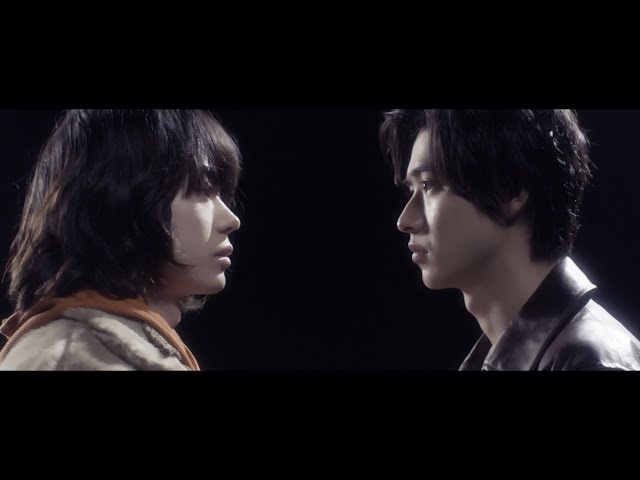
Masaki Suda’s famous song “Sayonara Elegy.” Although it carries a vibe similar to Kazuyoshi Saito’s works, it was written and composed by Huwie Ishizaki, featuring a distinctive blend of decadent atmosphere and hopeful melody.
The vocal range is mid1 C# to mid2 G#, which is typical—or perhaps slightly high—for a male song.
While it’s a guitar-rock style piece, Suda’s version doesn’t include sections that require belting.
The highest note, mid2 G#, is often sung in falsetto in recent trends, but since this is fundamentally rock, it’s better to sing it in chest voice, even with a bit of a shout.

Spot the differenceSuda Masaki2rank/position

Even if your life feels full of mistakes, the hopeful message that a single encounter can validate everything stirs the listener’s heart.
Masaki Suda is an artist who stands out not only as an actor but also in the music scene.
Released in May 2019, this song was written, composed, and produced by his close friend Kenshi Yonezu, and was chosen as the theme song for the drama “Perfect World.” Free from the constraints of right and wrong, its unwavering resolve to simply think of someone dear blows away the anxieties of those about to walk separate paths.
It’s an emotional number you’ll want to sing as a fight song for yourself, too.
rainbowSuda Masaki3rank/position

This piece was released in 2020 as the theme song for the film STAND BY ME Doraemon 2.
It is sung by Masaki Suda, with lyrics and composition by Huwie Ishizaki.
Set to a warm melody, it gently portrays the care of staying close to someone important and the small joys of everyday life.
The lyrics, which convey an acceptance of the other’s vulnerabilities and a resolve to walk together, tenderly embrace the listener’s heart.
Its relaxed tempo makes it easy to sing with emotion, making it perfect for choral performance.
How about uniting your voices and singing it on a culture festival or school festival stage, where you celebrate bonds with your friends?
A view I’ve never seen beforeSuda Masaki4rank/position

Released on June 7, 2017, this band sound—known as the CM song for “au Santaro Soccer Support”—is a driving, high-energy anthem, with a standout piano that adds a refreshing touch.
The lyrics depict another version of oneself spurring the self onward, making it a powerful, uplifting tune that pushes on anyone striving forward.
The overall vocal range sits at a relatively calm D3–A4, which should be comfortable for most male singers.
For the highest note, A4, using falsetto without forcing chest voice should be more than sufficient.
It sounds especially cool with strong dynamics, so try building excitement from the A verse to the B verse and into the chorus.

Long Hope PhiliaSuda Masaki5rank/position

This song by Masaki Suda sings of hope to move toward the future, believing in bonds with friends even while carrying setbacks and inner conflicts.
Written by Hiromu Akita of amazarashi, its gritty yet powerful message pierces deeply into the heart.
Released as a single in August 2018, it was penned as the theme song for the film My Hero Academia: Two Heroes.
It was also used as the ending theme for the third season of the TV anime, and its passionate worldview—linked to the story—has moved many people.
April can be a time when things don’t go well in a new environment, or when we face our own weaknesses.
Even so, this work will surely give a strong push to those trying to take a step forward while trusting their companions.
It’s a masterpiece that gives you courage precisely in a season where anxiety and anticipation are intertwined.
breathingSuda Masaki6rank/position

When you listen all the way to the end, you realize that “Kokyuu” is actually a heartbreak song that pours out feelings for someone precious.
Its lyrics are compelling not only because they capture the sensation of being in love, but also because they seem to question the essence of life.
The song features a very simple melody line and not much in the way of high notes.
Masaki Suda also wrote the lyrics, so there are surely many parts people can relate to—making it a great pick when you want to clear away that hazy, muddled feeling at karaoke.
Though it’s not the kind of track you belt out in a shout, it’s a number that leaves you feeling more centered once you’ve finished singing.

Just a Kiss feat. AimyonSuda Masaki7rank/position

This love song, born all at once from notes of late-night talks about romance, captivates with its raw, intimate sense of distance.
A collaboration between Masaki Suda and Aimyon, it vividly portrays the ambiguous feelings of two people who seem close enough to touch, yet never quite do.
The role reversal—Suda singing the parts from a woman’s perspective and Aimyon responding—adds a deeper savor to the piece.
Included on Suda’s July 2019 album “LOVE,” the track drew major attention from the moment it was pre-released and remains enduringly popular.
When you want to share unspoken anxieties or a sense of urgency with someone, why not try a quiet duet at karaoke and let your voices blend?