

[20s] Karaoke Popularity Ranking by Generation [2026]

We’re excited to present the latest rankings from the Karaoke Rankings by Age: 20s category, listed in order of most views! The lineup covers a wide range—from anime songs to tracks that became hot topics.
By checking out these rankings, you can get a feel for what’s trending and spark great conversations.
The playlist is updated every week, too.
- Top Karaoke Songs That Get 20-Somethings Hyped [2026]
- [20s] Easy-to-Sing Karaoke Songs Ranking [2026]
- [20s] Popular Songs Ranking by Generation [2026]
- [30s] Karaoke Popularity Ranking by Generation [2026]
- [30s] Karaoke Crowd-Pleasers Ranking [2026]
- Karaoke Popularity Rankings by Generation: Teens [2026]
- A Must-See for Those in Their 20s: A Collection of Youthful Songs That Bring Back School Days
- [For People in Their 40s] Karaoke Songs That Are Easy to Sing: 2026 Ranking
- [For College Students] Easy-to-Sing Karaoke Songs Ranking [2026]
- Women's Popular Karaoke Rankings [2026]
- [40s] Karaoke Popularity Ranking by Generation [2026]
- Karaoke Hype Songs Ranking [2026]
- Karaoke Popularity Ranking by Generation [50s] [2026]
[20s] Karaoke Popularity Rankings by Generation [2026] (71–80)
May it be filled with kindnessJUJU71rank/position

Singer-songwriter JUJU, known for her soulful voice heard on cover and jazz albums, has garnered support from a wide range of listeners.
Her 9th single, “Yasashisa de Afureru You ni,” was featured in the commercials for “MTV meetalk with NEW NISSAN cube” and the “Friend-Ship Project,” and is recognized as one of her signature songs.
Its straightforward message and emotional melody are sure to draw attention from men at karaoke as well.
It’s a number that women in their 20s will want to sing with feeling—and if you can really belt it out, it’s sure to make you popular.

It’s nothing.makaroni enpitsu72rank/position

It’s a song wrapped in a warm atmosphere that tightly captures the heart of someone in love.
It was included on Macaroni Empitsu’s album “Hopes for a Happy Ending,” released in January 2022.
The track was also chosen as the theme song for the film “The End of the Pale Hour,” drawing significant attention.
It gently sings of the small happiness found in everyday life with a loved one, and of feelings that can’t be put into words.
If you sing it at karaoke, it will surely resonate with women’s hearts.
Even shy men might be able to convey their feelings through this song.
Give it a try and sing it with all your heart.
Ballad of a SingerSaitō Kazuyoshi73rank/position

This is Kazuyoshi Saito’s signature song, “Utautai no Ballad.” It’s included on the album “Because,” released in 1997.
Its heartrending melody and rugged lyrics clumsily convey love.
In the most exciting chorus, sing as if you’re pouring out your emotions! Deliver it passionately, and you’re sure to draw some intense looks from the ladies!

powder snowRemioromen74rank/position

A delicate and ephemeral ballad by Remioromen that captures fragile emotions.
Set against a winter backdrop, this song portrays hearts passing by each other and feelings that fail to connect.
Released in November 2005, it drew widespread attention as an insert song for the drama “1 Litre of Tears.” Ryota Fujimaki’s transparent, pure vocals gently embrace the lyrics that seep into the heart.
The single debuted at No.
4 on the Oricon Weekly Singles Chart and has sold over 750,000 copies, becoming one of Remioromen’s signature songs.
It’s a track that comforts those troubled by love or uncertain about the distance with someone important.
Sing it at karaoke, and it’s sure to resonate with someone’s heart.
shameless; indecentchanmina75rank/position

Currently drawing attention after being targeted with a diss by NENE, the female rapper Chanmina.
Her track “HARENCHI” is a masterpiece that showcases her wide musical range.
In this song, the lowest note is mid1 E, which is on the lower side for a female track, but the highest note is hi B, so the overall range is relatively narrow.
Therefore, as long as you adjust the key, most women should be able to sing it without issue.
The song carries a languid vibe throughout, making the vocal technique known as “fall” particularly important.
You’ll likely learn this technique faster by referencing Western music rather than J‑pop, so while working on this track, listen to Western R&B as well to build your repertoire of falls.

Marigoldaimyon76rank/position
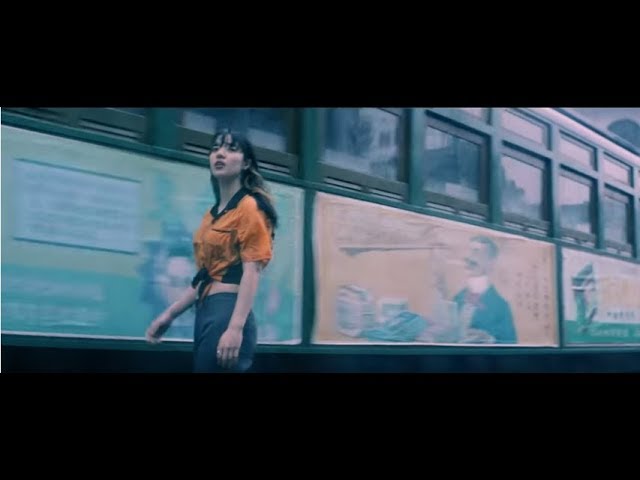
Singer-songwriter Aimyon is loved by a wide range of generations for her nostalgic melodies and lyrics that resonate with the heart.
Released in August 2018 as her fifth single, this song has become one of her signature tracks, surpassing 300 million streams.
The fact that it achieved such popularity without any tie-in is a testament to the song’s universal appeal.
Layering the peaceful everyday moments with a loved one over radiant memories of summers past, it expresses a powerful desire to never be apart.
The sound is catchy yet tinged with nostalgia, making it an easy crowd-pleaser at karaoke.
It’s a perfect classic for those who cherish time with their partners and for people in their twenties who want to bask in the memories of their youth.
force majeureVaundy77rank/position

A song by Vaundy that portrays the sense of stagnation in modern society and people’s desires.
Its biting critique—“desire is delusion”—and the hopeful message that “with love, we can move forward” are striking.
Chosen for a popular Spotify commercial and released in January 2020, the track became Vaundy’s first song to surpass 100 million streams.
It’s also included on the album “strobo,” released in May of the same year.
Recommended as a song that resonates with those who, while frustrated with society, still try to face forward.