

![[Renaissance Music] A Curated Selection of Masterpieces Brimming with the Allure of Polyphony](https://i.ytimg.com/vi_webp/xGkb5KFwx1I/maxresdefault.webp)

Western music history is often discussed starting from the “Baroque era,” around 1600, when figures like Johann Sebastian Bach were active.
However, music existed long before that.
“Renaissance music,” born amid the cultural movement known as the Renaissance from around 1400 to 1600, is regarded as an important bridge between medieval Western music and Baroque music within the history of classical music.
A defining characteristic of Renaissance music is “polyphony,” constructed by overlapping multiple vocal lines, with many pieces being songs and sacred works.
In this article, we will introduce famous Renaissance pieces that are widely known and still featured in modern concerts.
- [Baroque Music] A Curated Selection of Timeless Masterpieces and Famous Works
- Classical Masterpieces: Recommended Works You Should Hear at Least Once
- [Unrequited Love] Heart-wrenching Love Songs | A Roundup of Tear-Inducing Crush and Breakup Tracks
- [Couperin’s Piano Works] Introducing Masterpieces Left by a Renowned Keyboard Virtuoso of the Baroque Era
- Mozart: An Introduction to His Signature and Popular Works
- [Classical Music] A carefully curated selection of masterpieces born in the pivotal era that bridged the Baroque and Romantic periods
- Today's Classics: Recommended classical music and great performances to listen to today
- Vivaldi’s masterpiece. Popular classical music.
- Masterpieces of the bolero. Recommended popular pieces in bolero form and outstanding performances.
- Cool classical masterpieces. Recommended classical music.
- [Classical] A comprehensive introduction to famous love pieces: recommended popular works
- Jean-Philippe Rameau Popular Songs Ranking [2026]
- Romantic Piano Pieces: A Curated Selection of Popular and Classic Works for Recitals and Concerts
[Renaissance Music] A Curated Selection of Masterpieces Overflowing with the Allure of Polyphony (1–10)
Ave MariaJosquin Des Prez

Ave Maria, composed by Josquin des Prez—one of the emblematic composers of Renaissance music—in the 1480s.
This motet employs the technique of imitative counterpoint, with each voice echoing one another in a manner reminiscent of Gregorian chant.
The result is a sound world that is intricate yet balanced, whose beautiful resonance captivates the listener.
While it radiates a sacred atmosphere, the piece also reveals Josquin’s playful spirit, making it an enduring masterpiece that has been passed down to the present day.
It is a must-listen for anyone looking to delve deeper into classical music!
Hymn of BlessingGiovanni Pierluigi da Palestrina

A masterpiece by Giovanni Pierluigi da Palestrina—giant of Renaissance music and often called the “Father of Church Music”—Hymn of Blessing weaves breathtaking beauty through intricate, refined polyphony.
Its harmonies possess a crystalline clarity that seems to reach the heavens, even as the interlacing lines remain exquisitely crafted.
Each voice is composed with such precision that, while independent, they flow together as a single grand current, revealing new insights with every listening.
Reflecting Palestrina’s exceptional musical craft and profound devotion to sacred music, this work continues to captivate classical music lovers across the ages.
Now Is The Month Of MayingThomas Morley

Thomas Morley’s “Now Is the Month of Maying” is a piece composed in 1595 that celebrates the arrival of spring and the joys of love.
Its lighthearted rhythm and “fa-la-la” chorus evoke the atmosphere of the May Day festivities that were popular in England at the time.
It seems that the excitement we feel when spring arrives hasn’t changed from past to present.
Listening to this song while basking in the gentle, pleasant spring air will make the season’s arrival feel even more joyful.
Mass of Notre DameGuillaume de Machaut

Guillaume de Machaut’s Messe de Nostre Dame, composed in 1365, is a four-voice cathedral mass that exemplifies the Ars Nova style that flourished in 14th-century France and makes full use of polyphonic techniques.
Its beautiful harmonies and sacred atmosphere draw listeners into the solemn world of the Middle Ages.
Machaut is often regarded as the first composer to elevate music from a component of religious practice to an art form.
As one of his signature works, this piece is an ideal entry point for experiencing the full allure of polyphony.
Introit (from “Requiem”)Johannes Ockeghem
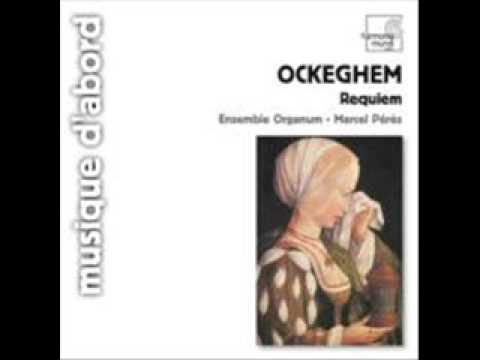
Johannes Ockeghem’s signature work, the Requiem, was composed in 1491.
Among the pieces in which his masterful command of polyphony shines, the Introit—which announces the content of the day’s Mass—condenses the musical techniques of the time.
Its gentle, layered four-voice lines draw the listener in, evoking the profound worldview of the Renaissance.
Combining beauty and virtuosity, this work is ideal not only for lovers of classical music but also for anyone wishing to experience the allure of polyphony.
Missa brevisGiovanni Pierluigi da Palestrina

Giovanni Pierluigi da Palestrina’s Missa Brevis is a Renaissance masterpiece renowned for reflecting the profound world of sacred music.
Released in 1570, at the height of his creative powers, the work embodies Palestrina’s conviction—held even amid the Reformation—that music has a vital place in worship.
Its intricate, serene sonorities continue to move listeners today, captivating classical music enthusiasts without end.
In this work, the weight and delicacy that evoke the sweep of music history coexist; listening to it can feel like embarking on a journey beyond time.
Kyrie (from “Missa Pange lingua”)Josquin Des Prez

Kyrie (from Missa Pange lingua) by Josquin des Prez, regarded as a masterpiece of polyphonic music.
This work is scored for four voices and fully showcases Josquin’s meticulous musicality.
The fact that it was copied repeatedly in various manuscripts between 1516 and 1520 suggests how highly it was valued at the time.
As a representative work of Renaissance music, it continues to captivate listeners through the harmony and beauty woven by its polyphony.
A must-hear masterpiece for anyone who wants to enjoy the refined sonorities of polyphonic music.