


Mozart: An Introduction to His Signature and Popular Works

Wolfgang Amadeus Mozart, who had a profound impact on classical music.
He began composing at the age of five, displayed his talents from an early age by performing before European royalty, and left behind more than 800 works during his 35-year life.
He also produced masterpieces in every musical genre of his time and excelled not only as a composer but also as a conductor, pianist, organist, and violinist, earning him the title of a musical genius.
In this article, we introduce some of Mozart’s signature and most popular pieces.
Please enjoy his music—melodies that are catchy and familiar, yet of high quality and imbued with a charm that defies simple description.
[Mozart] Introduction to Representative and Popular Works (1–10)
Requiem in D minor, K. 626Wolfgang Amadeus Mozart
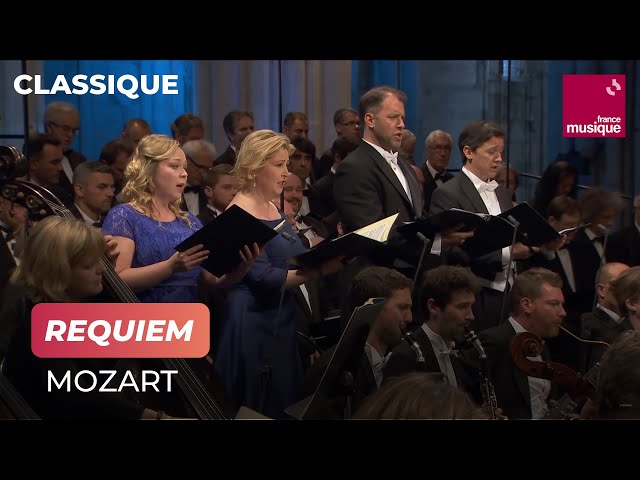
An unfinished masterpiece that Mozart worked on shortly before his death at age 35.
As a Mass for the dead, the work is steeped in a solemn atmosphere, expressing prayers to God and a wish for the repose of the souls of the departed.
It begins with the Introit and comprises a variety of movements, including the Dies Irae, which depicts the Day of Wrath, and the Lacrimosa, which sings of a Day of Tears.
The Dies Irae is especially famous and is frequently used in television and films; in this video, it begins at 8:13.
The Lacrimosa, whose first eight bars were written by Mozart himself, is particularly moving in its beauty; in this video, it starts at 22:49.
With its profound musicality and religious significance, this work feels as though it contains the essence of Mozart’s life.
Overture to the opera “The Marriage of Figaro”Wolfgang Amadeus Mozart

It’s the most famous of Mozart’s opera overtures.
Many of you have probably heard it at least once somewhere.
Its biggest hallmark is the catchy melody that anyone can recognize as soon as they hear the theme.
Bright and dazzling, it plays a crucial role in conveying to the audience the atmosphere of the opera that’s about to begin.
Overture to the opera ‘The Magic Flute’Wolfgang Amadeus Mozart

The overture to The Magic Flute, the last opera Mozart worked on, plays an important role in introducing the opera’s overarching themes.
Drawing on Masonic ideas, the work addresses universal themes such as good and evil, light and darkness, and growth through trials.
It begins with short, powerful chords, followed by a lively, spirited melody—features that are highly characteristic of Mozart’s style, combining brilliance with depth and captivating listeners at once.
It is an overture that truly evokes the beginning of a story—do give it a listen.
A Little Night MusicWolfgang Amadeus Mozart

Known as one of Mozart’s signature works, this string serenade is notable for its light, elegant melodies.
Completed in Vienna in August 1787 when Mozart was 31, the piece originally had five movements, but it is now most often performed in four and appears in a variety of scorings, including string orchestra and string quartet.
The bright, lively melody of the first movement is especially famous and widely beloved.
Why not give this masterpiece a listen and enjoy a work that continues to delight performers and audiences alike?
Overture to the opera Don GiovanniWolfgang Amadeus Mozart

The tragic orchestral tones at the outset, followed by the brooding melody that ensues, seem to foreshadow the opera’s ending.
Yet as the piece progresses, the mood shifts to something lively and comical.
Since its premiere in 1787, it has been performed frequently and remains one of the most popular works among operas.
Piano Concerto No. 21, K. 467Wolfgang Amadeus Mozart

A piano concerto composed by Mozart in 1785.
Consisting of three movements, this work is accompanied by the remarkable anecdote that he completed it the day after its premiere.
The first movement has a stately, march-like character; the second is distinguished by a beautiful melody and has been used frequently in films.
The third movement is a lively finale.
Highlights include the exquisite interplay between orchestra and piano and the brilliant ornamental passages.
Mozart himself reportedly described it as music that would satisfy both connoisseurs and amateurs.
Do give it a listen.
Symphony No. 41 “Jupiter,” K. 551Wolfgang Amadeus Mozart

Mozart’s final symphony, the “Jupiter.” Named after the planet, this piece is rich in contrasts, with each movement vividly characterized—a work bursting with color.
It’s somewhat challenging for orchestras, yet a popular number and one of Mozart’s greatest masterpieces.