

Mozart: An Introduction to His Signature and Popular Works

Wolfgang Amadeus Mozart, who had a profound impact on classical music.
He began composing at the age of five, displayed his talents from an early age by performing before European royalty, and left behind more than 800 works during his 35-year life.
He also produced masterpieces in every musical genre of his time and excelled not only as a composer but also as a conductor, pianist, organist, and violinist, earning him the title of a musical genius.
In this article, we introduce some of Mozart’s signature and most popular pieces.
Please enjoy his music—melodies that are catchy and familiar, yet of high quality and imbued with a charm that defies simple description.
- Pick up Beethoven’s famous and representative works!
- [Masterpiece Classics] A special showcase of gem-like masterpieces so beautiful they’ll move you to tears
- Classical masterpieces. Recommended classical music.
- Classical piano masterpieces: legendary performances from around the world you should hear at least once
- Timelessly beautiful classical masterpieces. Recommended classical music.
- Brahms's masterpieces. Popular classical music.
- Cool classical masterpieces. Recommended classical music.
- Today's Classics: Recommended classical music and great performances to listen to today
- [Tchaikovsky] Pick up famous and representative pieces!
- Jacques Ibert Popular Song Ranking [2026]
- Famous pieces recommended for opera beginners. Recommended opera songs.
- J.S. Bach | Introducing Famous and Representative Works
- Masterpieces of Ballet Music: Introducing Classic Favorites
[Mozart] Introducing His Signature and Popular Pieces (31–40)
String Quintet in G minorWolfgang Amadeus Mozart

Mozart composed many string quintets, and this one is quite famous and often featured in chamber music concerts.
Since it is in a minor key, it gives a melancholy and somewhat weighty impression, but it conveys a charm that differs from Mozart’s usual brightness.
I wonder what love is like.Wolfgang Amadeus Mozart
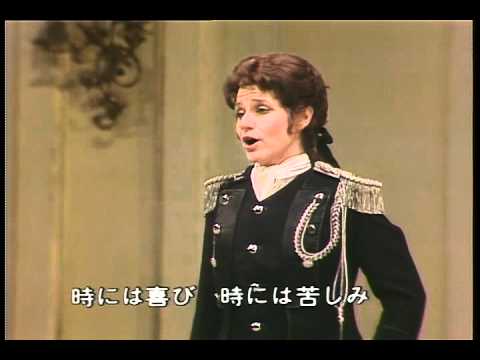
From the opera The Marriage of Figaro, this is an aria sung by a boy named Cherubino.
Although the character is a boy, it is typically performed by a female singer, either an alto or a mezzo-soprano.
It’s a charming piece sung by a youth who is inexperienced in love and in love with the idea of love.
Young mezzo-sopranos often take on this piece.
Ave verum corpusWolfgang Amadeus Mozart

Hailed as a “miraculous masterpiece” in the world of classical music, this work’s profound piety and serene beauty resonate deeply with listeners.
Though it spans only 46 measures, the power of prayer contained within is immeasurable.
Beginning in D major and modulating deftly through A major, F major, and D minor, its technique attests to the composer’s extraordinary skill.
At its premiere on June 23, 1791, in a small church on the outskirts of Vienna, many in the audience were moved to tears by its beauty.
This piece is recommended not only for those interested in sacred music, but also for anyone who wishes to engage with music in quiet contemplation.
Divertimento K. 138Wolfgang Amadeus Mozart

This is one of the less well-known divertimenti.
It’s the string orchestra version.
The first movement is easier than K.136, so it seems to be relatively popular with performers.
While K.136 isn’t really suited to ensemble playing, this one is more splendid and effective as an ensemble piece than as a quartet or quintet.
Concerto for Flute and HarpWolfgang Amadeus Mozart

It is also known as an unusual double concerto in which Mozart featured the flute and harp as solo instruments.
The combination of flute and harp had no precedent, and at a time when great harp concertos were said to be few, Mozart brilliantly demonstrated the instrument’s appeal.
The second movement, Andantino, has become so famous that it is often performed on its own.
[Mozart] Introducing Representative and Popular Works (41–50)
Symphony No. 35 “Haffner”Wolfgang Amadeus Mozart

There’s a rule of thumb that symphonies with nicknames tend to become famous, and the “Haffner” is no exception—it’s a popular piece frequently performed by amateur orchestras and the like.
Its grand introduction and delicate melodies are beautiful.
Symphony No. 39, K. 543Wolfgang Amadeus Mozart

Completed by Mozart in June 1788, this work is an important piece that showcases his mature late style.
It features a distinctive instrumentation and a rich variety of expression, with touches throughout that delight the listener.
Consisting of four movements, it begins with a solemn introduction, followed by a second movement that is gentle yet possesses inner depth, a third movement that is powerful and full of humor, and concludes with a light and energetic fourth movement.
This piece highlights Mozart’s creativity and technical mastery—be sure to give it a listen.