

Songs with titles that start with “Sa”: a roundup you can use for shiritori or karaoke

What songs come to mind with titles that start with “Sa”? In this article, we’ll introduce songs whose titles begin with “Sa,” which are handy for games like song-title shiritori or karaoke with letter restrictions.
When you think of “sa,” many people picture sakura (cherry blossoms) that bloom beautifully in spring—and along with that, there are countless songs that have “sakura” in their titles.
Starting with the power word “sakura,” we’ve gathered a variety of songs whose titles begin with “sa.” Be sure to check them out and use them in different situations!
- A compilation of Vocaloid songs with titles that start with 'Sa'
- Masterpieces with titles that start with 'A'
- Songs with titles that start with “Su.” A collection of tracks useful for shiritori.
- Songs that start with “se”. Use them as references for shiritori or choosing tracks for karaoke!
- A roundup of songs that start with “So.” Perfect for word-chain games or picking karaoke tracks!
- A roundup of songs with titles starting with “Re.” Great for karaoke shiritori too!
- Songs that start with the letter “Shi.” Perfect for shiritori or karaoke!
- Songs with titles that start with “Za.” Great for karaoke and shiritori!
- A compilation of Vocaloid songs with titles that start with 'Su'
- A roundup of Vocaloid songs with titles starting with “Shi”
- Songs with titles that start with a number. Useful for karaoke or playlist selection.
- A big roundup of Vocaloid songs starting with 'So'! From mega-hits to hidden gems, all introduced at once
- Recommended for cherry-blossom viewing season! Classic sakura songs and spring tunes
Songs whose titles start with “Sa.” A roundup you can use for Shiritori or karaoke (331–340)
Tried singing in Saga dialect [Usseewa]Nagisa Takazono
![Tried singing in the Saga dialect [Usseewa] Nagisa Takazono](https://i.ytimg.com/vi/_aDz7Fo088Y/sddefault.jpg)
A unique Saga dialect cover of a song that became a social phenomenon, crafted by Nagisa Takazono, an artist based in Saga Prefecture.
By fusing the sharp message of the original with the warm yet powerful Saga dialect, it transforms into something curiously humorous and approachable.
One of the work’s great appeals is how its spirit of defiance toward society comes across like a charming, hometown-style grumble shared among friends.
Released in March 2020, the piece carries the artist’s heartfelt wish to spark interest in Saga.
It’s the perfect track for anyone who wants to experience the expressive richness of dialects from a completely different angle than the original.
Poem of the Frontier Guardssadamasashi
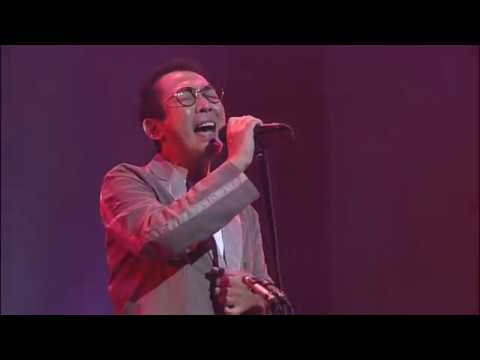
This is a moving song that portrays the eternity of nature and the fragility of human existence, questioning the very roots of life.
Inspired by the Manyoshu, its lyrics philosophically express the suffering and sorrow of living, as well as the pain of losing what we love.
Released in July 1980 as the theme song for the film “The Battle of Port Arthur (203 Kōchi),” it reached No.
2 on the Oricon charts.
Precisely because it depicts the impermanence of life fading away amid the tragedy of war, it brings the preciousness of peace all the more powerfully to the fore.
It is a soul-stirring work that we hope everyone will listen to—so that we do not forget a sorrowful history, and so that we can more deeply cherish the lives we have now.
Silent MidnightISSEI

This is the second digital single released in August 2025 by ISSEI, who continues to expand his range as a multi-creator.
Following his first single, “Go Getter feat.
AK‑69,” this work is filled with a new side of his appeal, blending a poignant yet powerful R&B flavor.
The song portrays the theme of moving forward despite failures and regrets.
The protagonist racing through a lonely darkness speaks to the hearts of those carrying their own struggles.
Surprise SunThee 50’s high teens

This is a thrilling rock track from the debut album by Thee 50’s High Teens, a girls’ garage band out of Fukuoka.
It perfectly blends the raw energy of ’60s garage punk with irresistibly singable, kayōkyoku-style melodies.
Riding on a chic organ tone, they belt out the excitement of an unpredictable future with power and verve.
The song appears on the album “Thee 50’s High Teens,” released in September 2003.
When you’re stuck and weighed down by worries, the song’s boundless brightness will give you a helpful push forward.
Songs whose titles start with “Sa”: A roundup you can use for shiritori and karaoke (341–350)
Sunny DriveZa☆Bon

A morning waking up with bedhead begins to shine like a scene from a fairy tale.
This captivating work captures such special moments in everyday life.
Released in September 2006 as the major-label debut of The☆Bon, a girls’ band from Osaka.
Chosen as the opening theme for TBS’s “Geki Amai.” Its bouncy piano and light, brisk rhythm feel delightful, stirring a sweet-and-sour mood.
Carrying hopes for the future and dashing forward, this piece is perfect for the start of a new chapter in life or a weekend drive.
remarried to each otherAshiya Gannosuke

This is a song by Gansuke Ashiya that warmly portrays the start of a remarriage between single parents—a new beginning filled with joy and a sense of resolve.
It depicts the couple acknowledging each other’s past hardships, receiving blessings from friends, and setting sail on a new life together with their children.
You can almost picture the scene, and it’s moving, isn’t it? Released as a single in March 1996, the song features a voice rich with the subtleties of life—something only Gansuke Ashiya, who also won the Kazuo Kikuta Theatre Award as an actor, could convey so profoundly.
For those who have been hurt before and hesitate to take the next step, this song may gently nudge you forward.
Don’t you think its warm world—celebrating the happiness of a new family together—will give you courage?
GoodbyeNishino Kana

Even though they didn’t grow to hate each other, they end up choosing to part ways due to drifting apart.
This is a poignant medium-tempo ballad by Kana Nishino that tightens the heart with the complexity of such an ending to love.
The way the protagonist tries to seal away the memories without truly accepting what happened feels strikingly real, likely because of the lyrics’ masterful grasp of the subtleties of romance.
Released in October 2013, the song is also known as the theme for the NHK serial drama “Glass no Ie” and is included on the album “with LOVE.” For those who have lost a love that couldn’t be saved by feelings alone and can’t yet move on, this song will gently whisper, “It’s okay—you don’t have to force yourself to forget.”