

[Sabito’s Quotes] The true meaning of strength and kindness: stern yet passionate iconic lines

Despite limited screen time, Sabito is a character who made a powerful impression in Demon Slayer: Kimetsu no Yaiba.
He is known for shaping Tanjiro into a man during training and for his deep connection with the Water Hashira, Giyu Tomioka.
In this article, we introduce many of Sabito’s memorable quotes.
His words—stern, passionate, and tinged with sorrow—pierce our hearts and teach us what true strength is.
You’ll surely be moved by the kindness hidden beneath his words.
- Let Tanjiro Kamado’s famous words light a fire in your heart—words that teach both kindness and strength.
- The memorable quotes from Demon Slayer pierce the heart. These profound words cannot be read without tears.
- Giyu Tomioka’s words pierce the heart. Deep sayings from the taciturn Water Hashira.
- Nezuko Kamado’s famous quote. Words that convey kindness, strength… and a deep bond.
- Insect Hashira Shinobu Kocho’s Famous Quotes: Words of Strength and Resolve That Stir the Heart
- Mitsuri Kanroji’s quotes resonate with the heart! Words that teach us kindness and strength.
- [Demon Slayer] Tamayo’s Famous Quotes: Iconic Lines Filled with a Fugitive’s Tenacity and Compassion
- [Shaking the Soul] Kokushibo’s Famous Quotes: A Collection of Lines Radiating Overwhelming Presence
- Exploring Sanemi Shinazugawa’s famous quotes: his hidden true kindness and strength
- Zenitsu Agatsuma’s famous quote: Words that resonate in the heart, becoming stronger while accepting one’s weakness.
- Unforgettable quotes of Ruka Rengoku: the strength and love taught by a mother
- The famous quote by Kyojuro Rengoku, who enjoys immense popularity in Demon Slayer.
- A collection of Muichiro Tokito’s famous quotes: profound words from the Mist Hashira that leave a lasting mark on the heart.
[Sabito Quotes] The true meaning of strength and kindness. Stern and fiery iconic lines (11–20)
How long are you going to keep your butt on the ground, not even taking a stance?Sabito
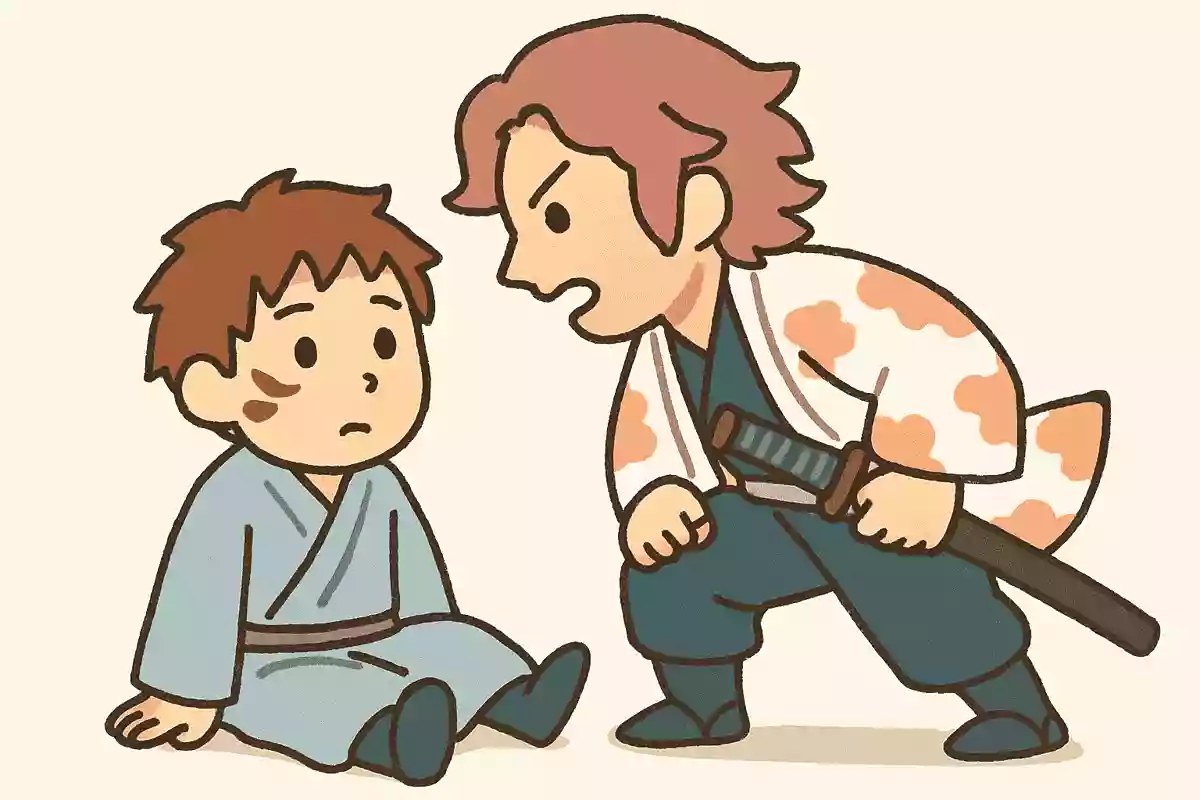
These words are directed at Tanjiro, who has sunk to the ground with a broken spirit, and they speak to the importance of pressing on without giving up.
They convey that sitting there is wasted time if you want results, and that only staying ready and moving forward will become your strength.
While the part that allows no rest feels severe, the words firmly teach the reality that, to protect what matters, you have no choice but to keep going.
They also carry an encouraging tone, as if they appear when results aren’t coming to give you the push to move forward.

Noisy. A man shouldn’t be shouting—it’s disgraceful.Sabito
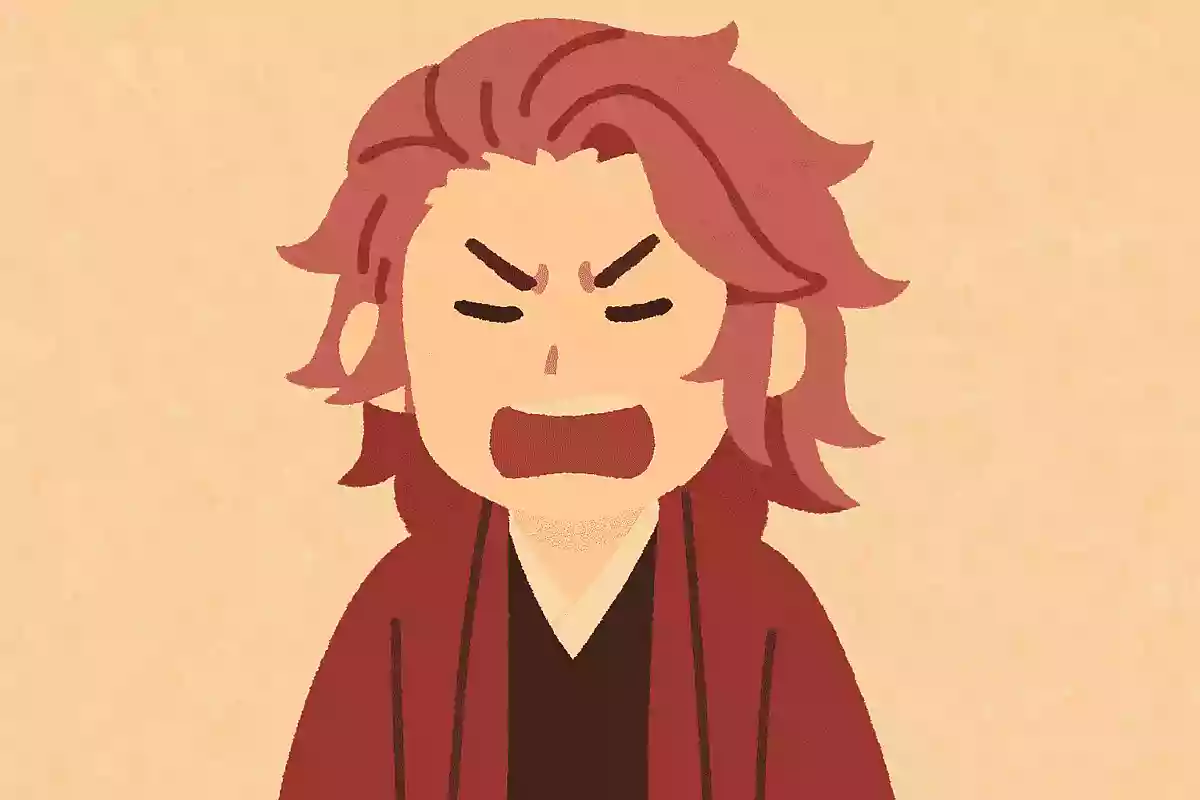
These are the cold, seemingly dismissive words Sabito spoke when he appeared before Tanjiro, who had sunk to the ground in despair at his own powerlessness.
Rather than offering comfort, he deliberately hurled strong words, revealing his intent to kindle Tanjiro’s fighting spirit.
It’s also crucial that Tanjiro had been fixated only on the obstacle right in front of him; with these words, Sabito tries to make him resolve to face the greater trials ahead—the demons themselves.
In his own way, Sabito is encouraging him, telling him that if he wants to protect what matters, this is no time to give up.
You must not die, no matter what.Sabito

These are Sabito’s straightforward words to Giyu, who regrets that his sister died protecting him—words that tell him he must live.
They firmly reject the idea that he should have died instead of his sister, and speak to carrying on with the resolve to live because she shielded him.
It expresses a forward-looking stance: precisely because one life sustained another, you must not give up on living.
It makes us reflect on what it means for each person to live, while also conveying the concern of a close friend.
Of all people, you… don’t you dare profane your own sister.Sabito
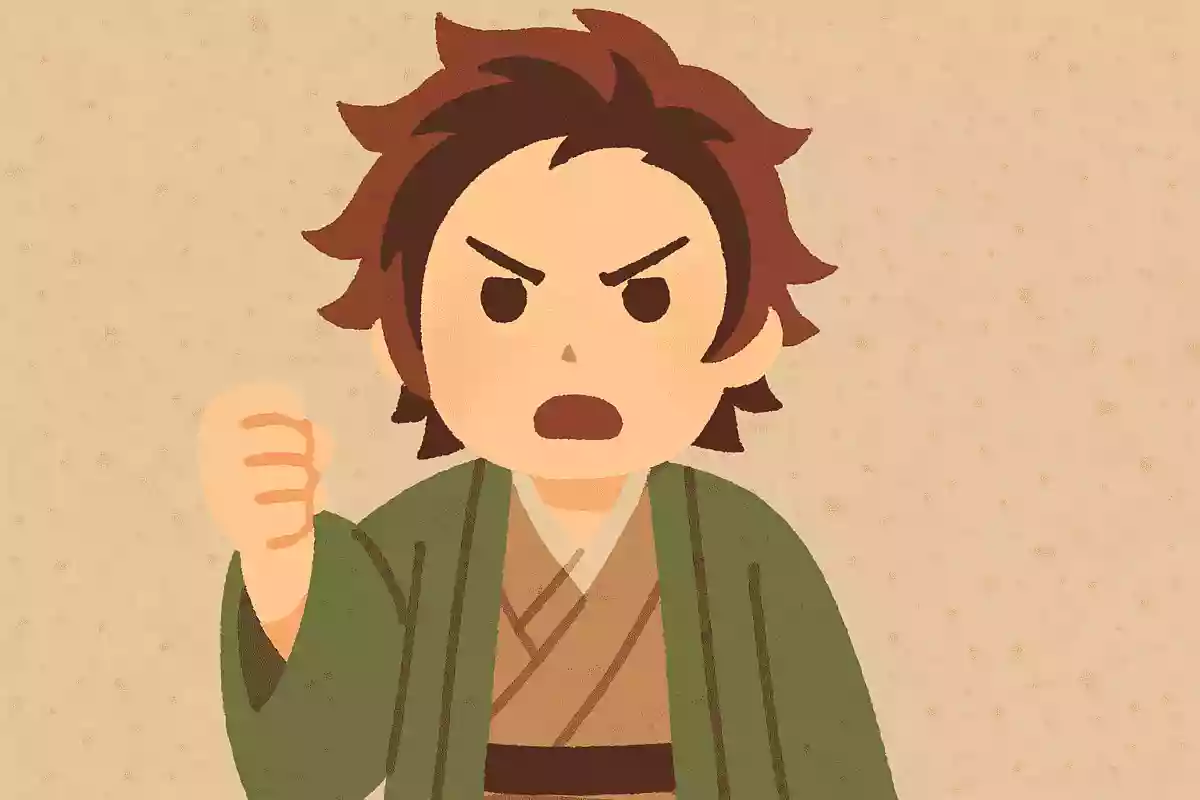
These are the words Sabito said—recalled by Giyu during his exchange with Tanjiro—from the time when Sabito and Giyu were training together.
He told Giyu, who was regretting his sister’s death, that continuing to lament that his sister died protecting him was an insult to her.
He called on Giyu to consider how he ought to live: his sister did not lose her life to leave behind regret; she lost it so that Giyu could survive.
He spoke to him plainly, urging him to move forward by making use of the life that had been entrusted to him—words that gave Giyu a reason to face forward and go on.
Hammer it into your flesh and blood.Sabito
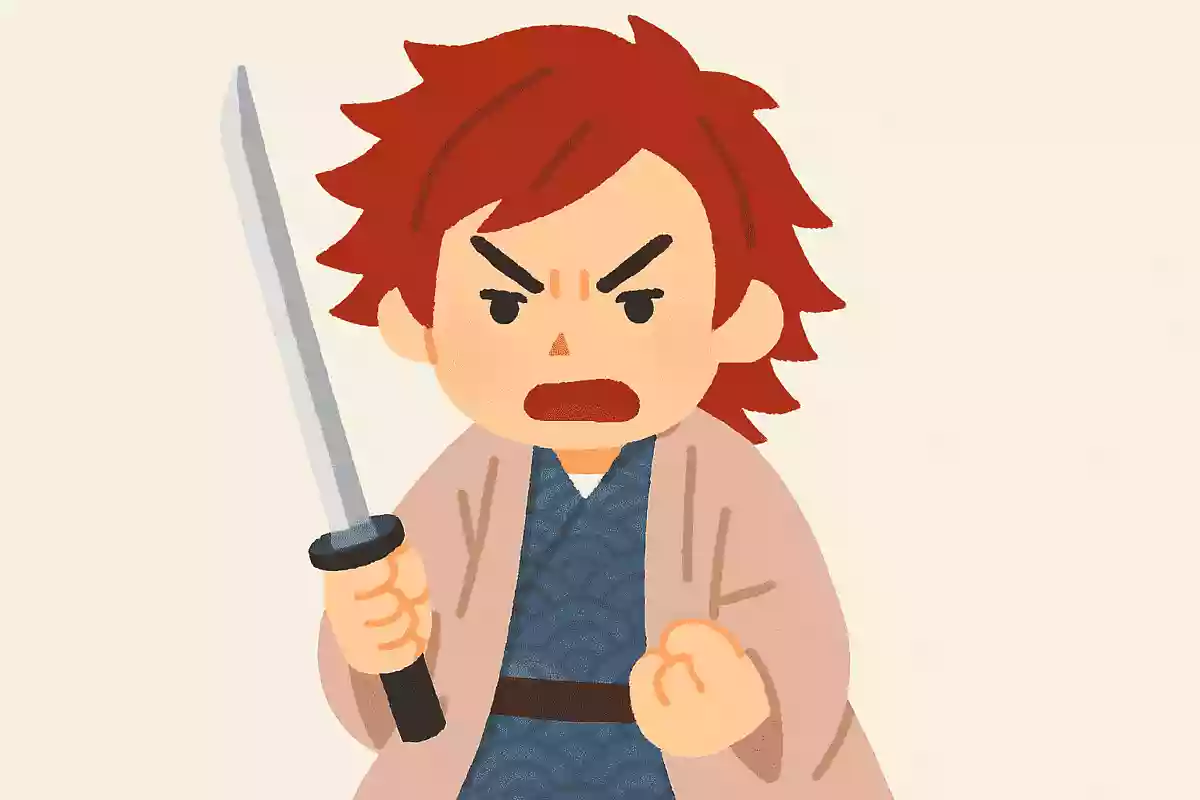
These are forceful words directed at Tanjiro, who is troubled because his training isn’t yielding the results he wants, telling him he still hasn’t trained enough.
They refute Tanjiro’s claim that he’s giving it his all, insisting that he still hasn’t exerted enough effort and must keep moving forward without giving up.
They urge that what you’re taught shouldn’t stay in your head but be drilled into your body—only when it comes out unconsciously can you truly advance—spoken in a way that stokes a fighting spirit.
It’s also key that these words are delivered in the midst of battle, to strongly demonstrate the idea of engraving it into the body through real combat.
In conclusion
Sabito’s memorable quotes carry a powerful warmth that resonates with our hearts. When you want to move forward, or when you feel like you might stop, his words will surely encourage you to take a new step. May the words introduced in this article become a source of support for your heart.