

![[Shaking the Soul] Kokushibo’s Famous Quotes: A Collection of Lines Radiating Overwhelming Presence](https://media.ragnet.co.jp/img/1200__png__https://www.studiorag.com/files/2025/08/998a8d7a7b554fe0eb8a94db058432bd.webp)
[Shaking the Soul] Kokushibo’s Famous Quotes: A Collection of Lines Radiating Overwhelming Presence

Wielding a jet-black blade and exuding a cold, ruthless strength, Upper Rank One, Kokushibo, dominates every scene.
Yet within that overwhelming presence, his words reveal glimpses of deep human sorrow and regret that pierce the hearts of many readers.
Reflections on the meaning of life, the bonds between brothers, and the words left behind at the end of a struggle to find one’s own path.
This time, we present Kokushibo’s soul-stirring quotes.
The feelings hidden behind those words are sure to move your heart as well.
[Shaking the Soul] Kokushibo’s Famous Quotes: A Collection of Lines Radiating Overwhelming Presence (1–10)
Is this… was this really what I wanted?Kokushibo
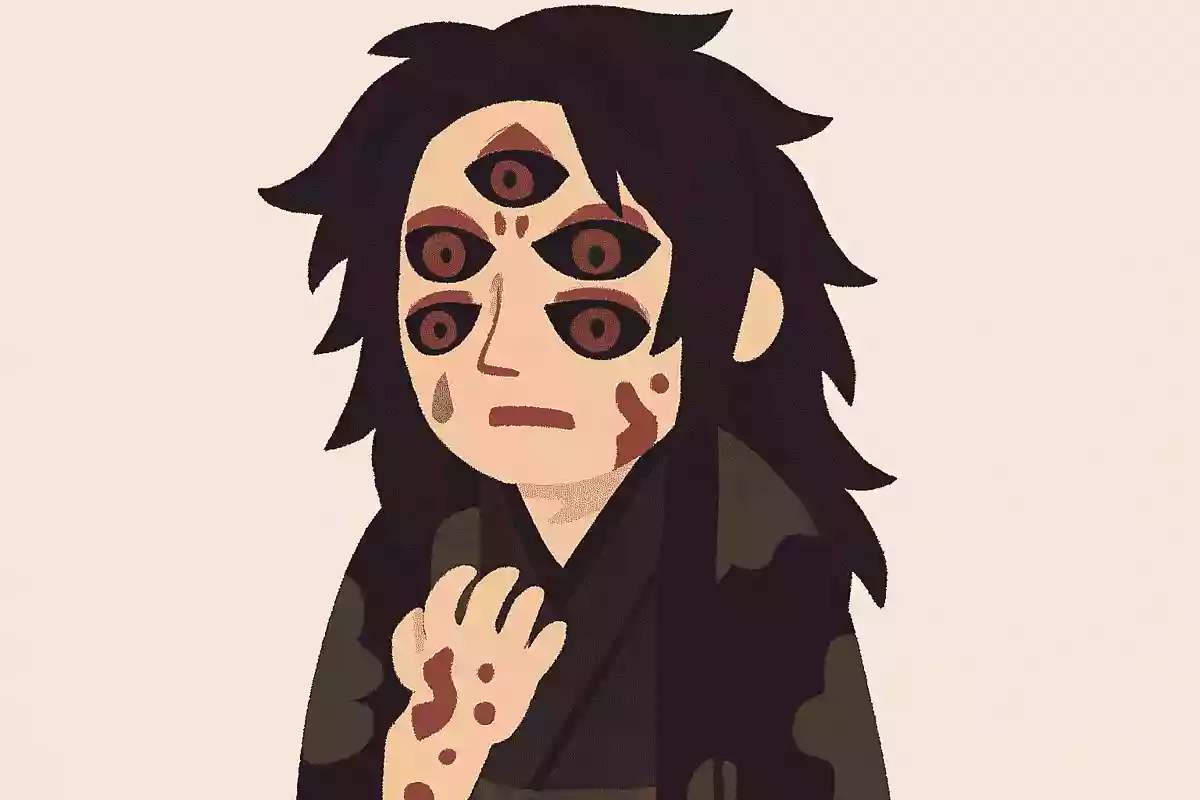
While being cornered by the Demon Slayer Corps, Kokushibo regenerates his body and takes on a grotesque form.
Seeing his reflection in his blade, he utters the famous line: “Is this… was this truly what I desired?” It’s a moving scene of self-questioning: though he gained power to become Japan’s greatest samurai and surpass his younger brother, Tsugikuni Yoriichi, he realizes he has degenerated into a monster.
Kokushibo notices that, while he thought he was striving toward his goal, he has somehow arrived at a place far removed from his ideals.
Even as the strongest demon, he brimmed with humanity right to the end.
It’s a quote that conveys how, despite having become a demon centuries earlier, he still retained the pride of a samurai.

To abandon even the open path to greater heights yourself… how exceedingly feeble.Kokushibo
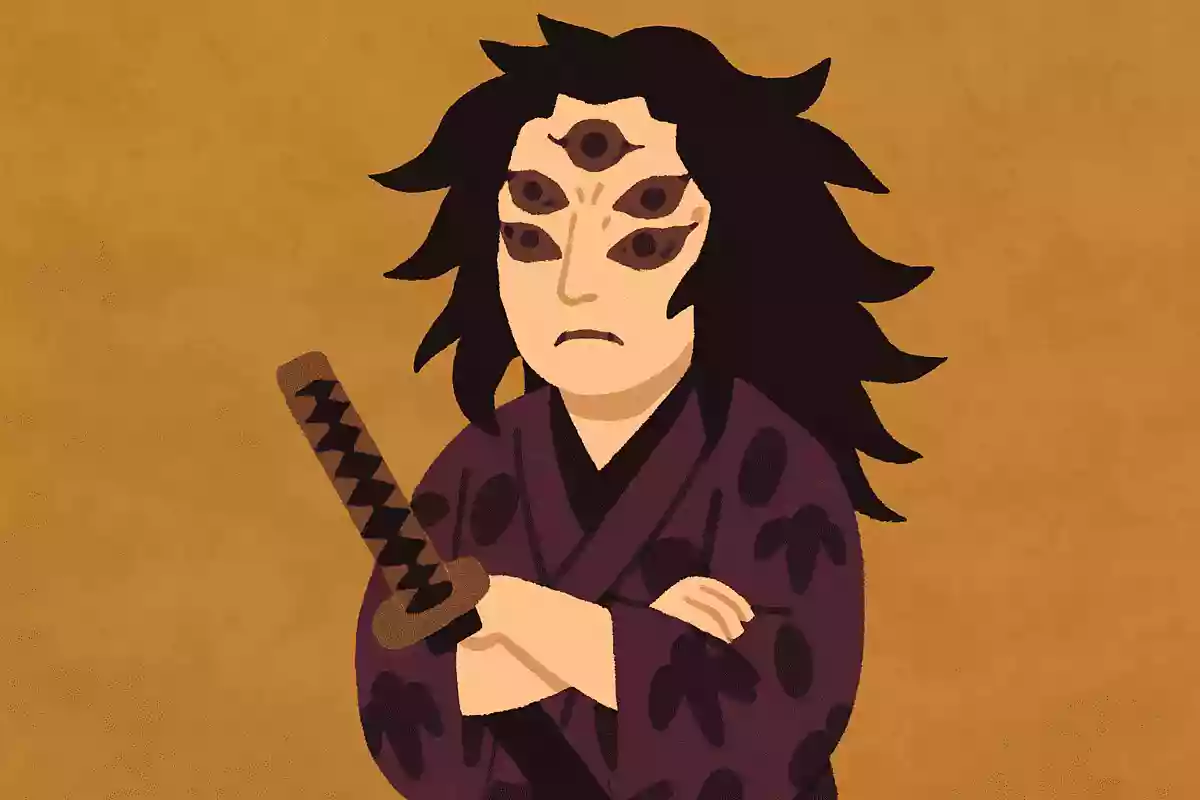
The famous line directed at Upper Rank Three, Akaza—who was defeated by the Demon Slayer Corps and vanished—goes: “To abandon with your own hand…the path that opened to even greater heights…how utterly spineless.” It conveys the anger he feels that Akaza, who had claimed he would defeat Upper Rank One, regained his human memories and chose to forgo regeneration.
For Kokushibo, who continued to seek strength as a demon while retaining his human memories, this expresses a mindset he could not comprehend.
It’s a quote that also foreshadows Kokushibo’s own eventual fate.
I just wanted to become you, Yoriichi.Kokushibo
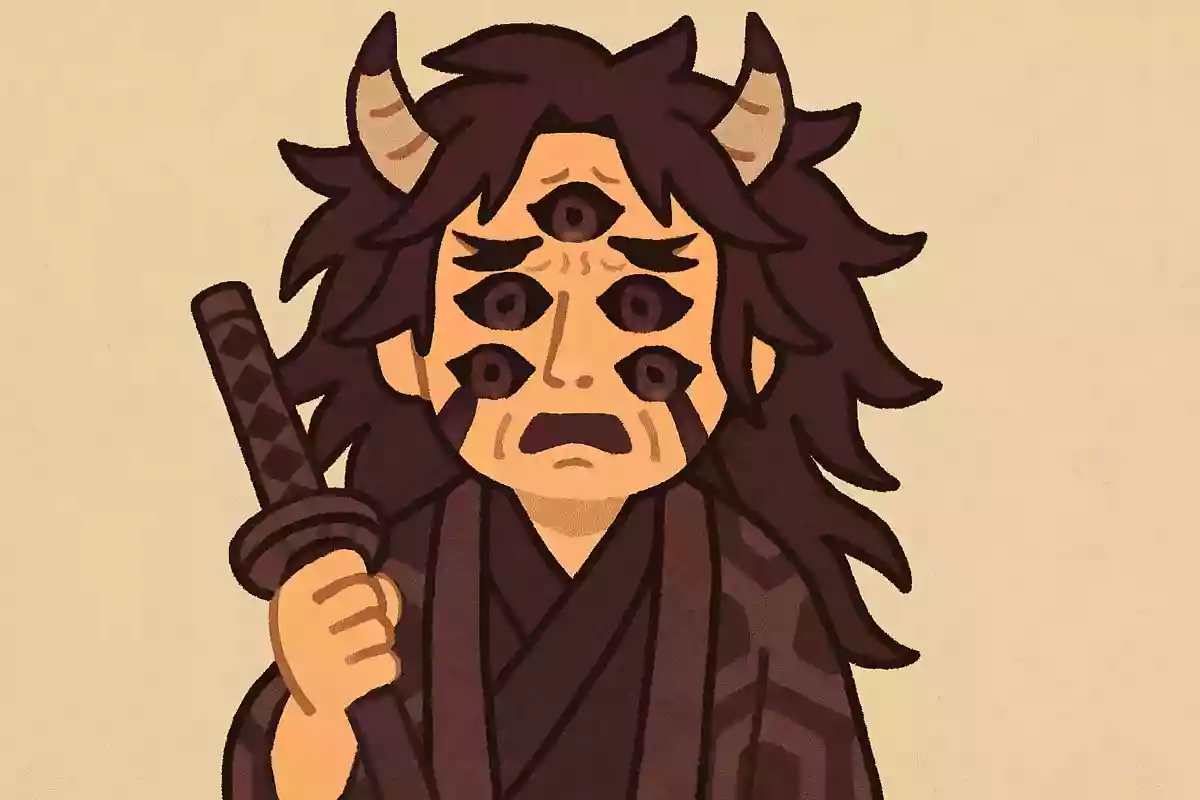
The famous quote when he realizes what he truly wanted: “I just wanted to become you, Yoriichi.” It’s a line that symbolizes the answer Kokushibo reaches after his self-questioning, even as he’s cornered by the Demon Slayer Corps and continues to fight in a monstrous form.
The conclusion—that abandoning his family and even his humanity were all because he wanted to become his brother, Tsugikuni Yoriichi, whom he thought he despised from the bottom of his heart—feels deeply ironic, doesn’t it? It’s a poignant quote that captures the sorrow of discovering one’s true feelings only at the brink of death.
Stop it already. I hate you.Kokushibo
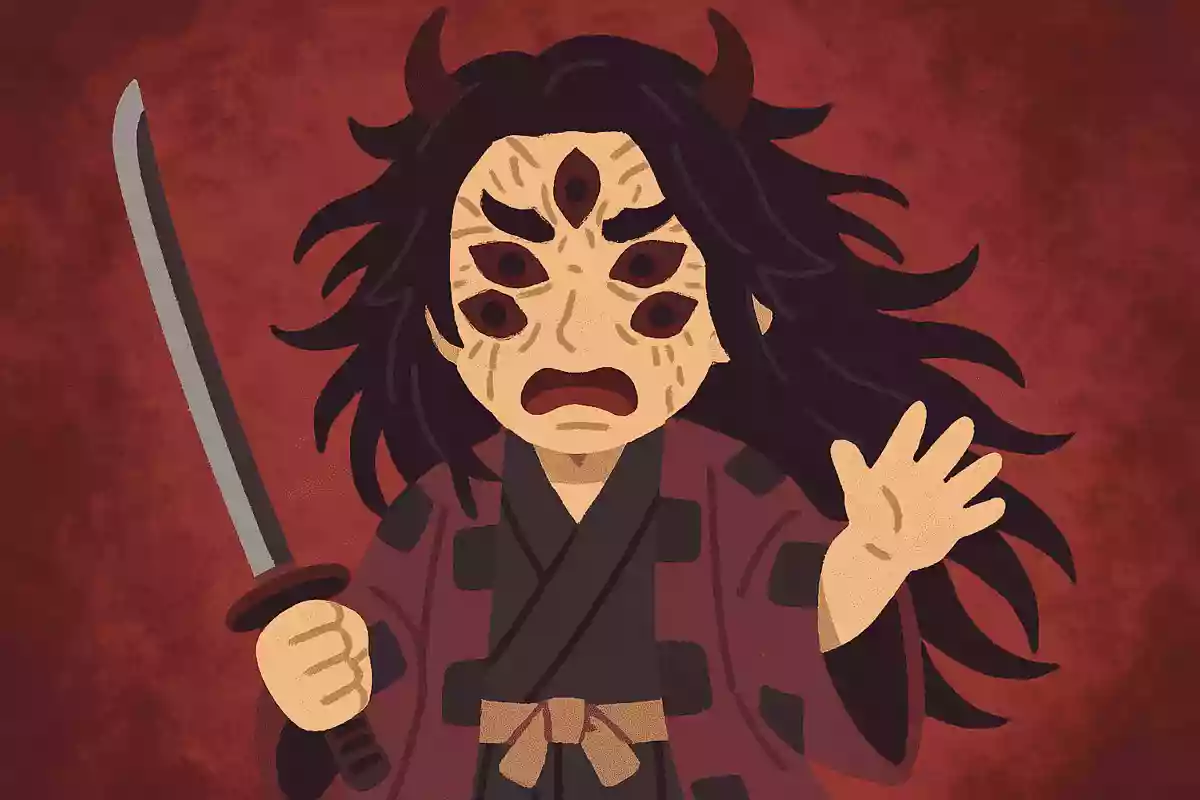
The famous line, “Stop it already.
I hate you,” conveys a state where resentment over never being able to surpass his younger brother, Yoriichi Tsugikuni, and the bond they share as siblings are intricately intertwined.
It reveals the torment he feels toward the face and presence of his brother—something he cannot forget—even after abandoning everything to gain the power he desired and living for centuries as his memories of being human fade.
You can sense the uniquely elder-brother conflict he bears toward a younger sibling who, despite being made to feel inferior, admired him and worried about him until the very end.
It’s a quote that lets you recognize Kokushibo’s appeal as something more than mere strength.
Those who don’t envy others are just lucky.Kokushibo
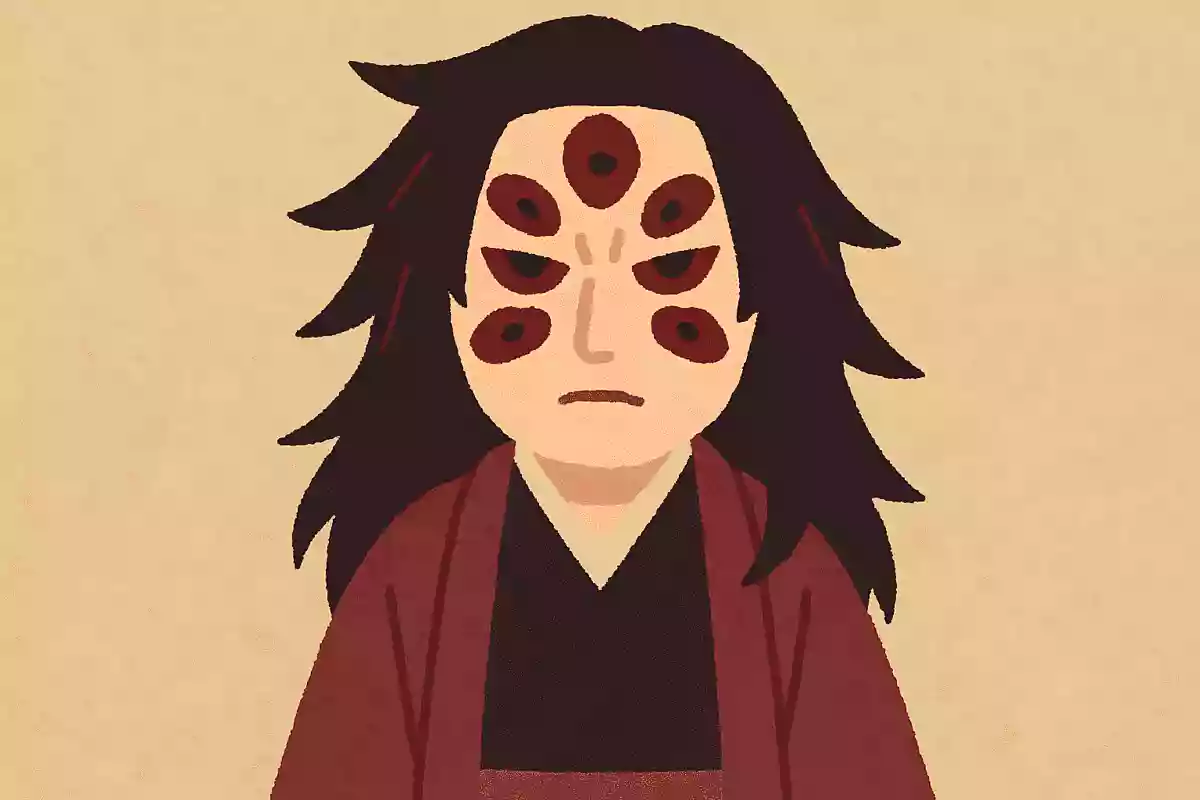
The famous quote “Those who do not envy others are simply lucky” continues: “It only means they have never encountered one who is loved by the gods—one like the sun itself, so intense and vivid it burns everything to ash.” It conveys the jealousy toward a younger brother, Kokushibo’s twin, Tsugikuni Yoriichi, whom he could never catch up to no matter how hard he tried, as well as the anguish of inescapable comparison born from being twins.
Even today, as individuality is increasingly valued, many people still feel inferior to those who seem to have everything they themselves desire.
It’s a line that evokes a persistent sense of inferiority, even in someone who held the title of the strongest.
Why on earth was I born?Kokushibo
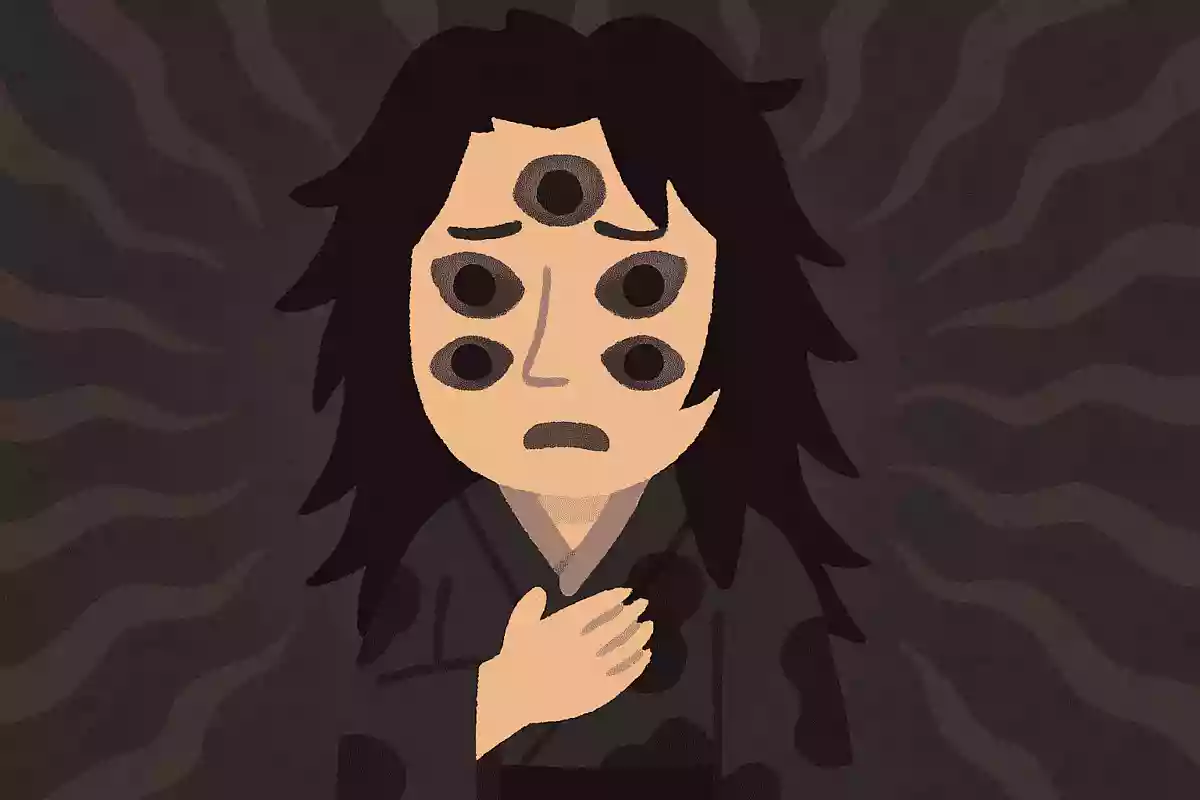
Kokushibo, who abandoned his home, his wife and children, and even his identity as a human and a samurai, had this line flash through his mind at the moment of death: “For what purpose was I even born?” It’s a quote that conveys his torment—never being able to close the gap with his younger brother, Tsugikuni Yoriichi, and being forever haunted by that specter no matter what he did.
He chose his own path, became a demon, and took the strongest seat as Upper Rank One, yet he was never fulfilled—if anything, these words reveal how profoundly human he was.
Paired with the scene where it’s revealed that he kept Yoriichi’s flute with him to the very end, it’s a line that truly stirs the heart.
Did you… understand… what I wanted to say…?Kokushibo
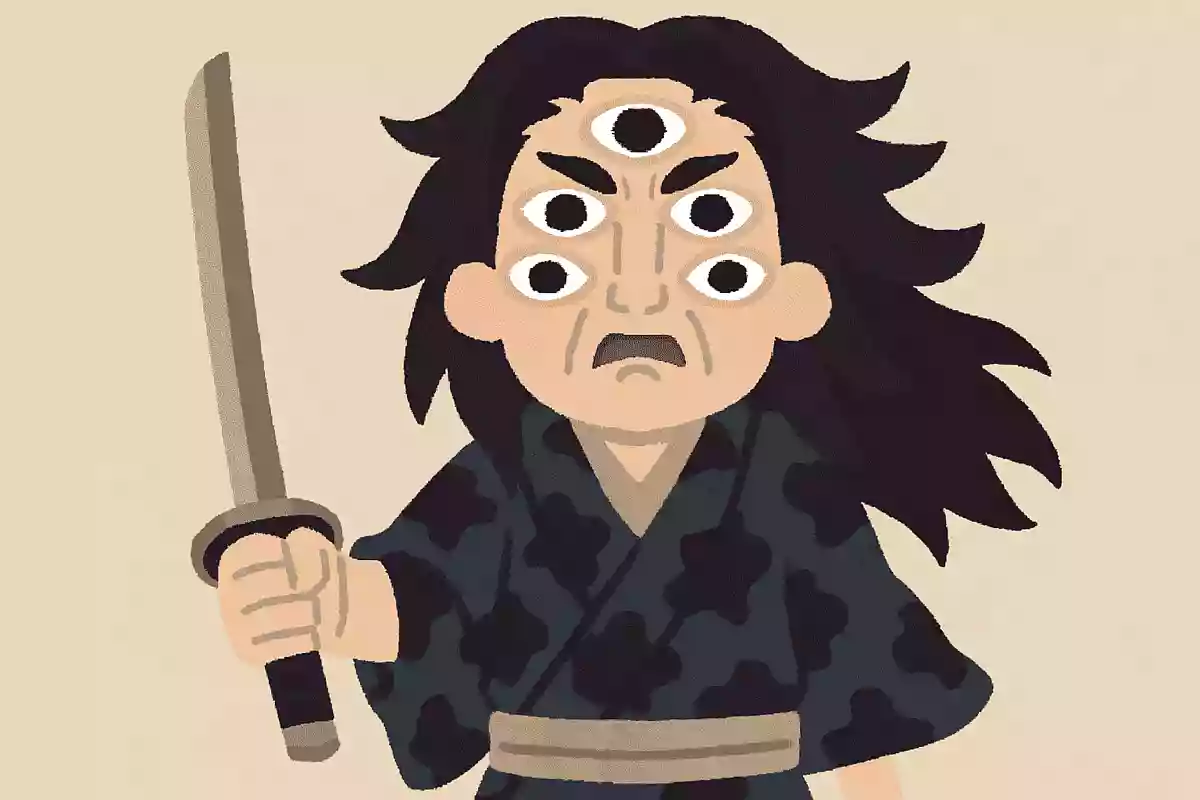
The famous line he directed at Upper Rank Three, Akaza, during the Upper Rank meeting—”Did you… understand… what I wanted to say?” Watching the exchange between Upper Rank Two, Doma, and Akaza, Kokushibo’s words exert a crushing pressure, powerful enough to assert his presence as Upper Rank One.
It’s likely a line born from his understanding that letting a clash between Upper Ranks escalate into a ‘Blood Battle of Replacement’ would be nothing but pointless.
The calm tone and composure conjure an image of unfathomable strength—truly a memorable quote.