

So nostalgic! A lively school lunch quiz. Let’s look back on those memories from back then.

School lunches are a special time packed with memories that many children look forward to.
So, how about revisiting those lunchroom memories together with a quiz about school lunches? In this article, we’ve prepared a fun quiz that lets you learn trivia about school lunches—such as nostalgic menu items, the history of school meals, and regional specialties.
Take a trip down memory lane and try it with your family or friends! You might discover something new when people of different ages join in.
- How many can you answer? A collection of fun school-related quiz ideas to guess and enjoy
- Fun quizzes for elementary school kids: a collection of questions everyone can enjoy together
- Trivia quiz about schools: a roundup of fun facts you’ll want to brag about
- How Much Do You Know? Food Quiz for Elementary School Students
- Get kids excited at the autumn food party! Trivia quiz and fun facts
- Fun Quiz Collection Guaranteed to Stump and Delight Elementary School Kids
- Recommended for elementary school students! Trivia quiz you'll want to share once you know it
- Trivia quiz with useful tips to know: fun facts that come in handy at school or at home [for kids]
- Let’s take on the challenge! A multiple-choice history quiz for elementary school students. Review your history lessons.
- [For Kids] Fun Summer Trivia Quiz & Facts
- How many can you answer? Trivia and fun facts quiz about rice
- [For Elementary School Kids] A New Year’s Quiz Everyone Can Enjoy! Learn surprising fun facts with multiple-choice questions
- Deepen your knowledge of food! A three-choice trivia quiz
Nostalgic! The exciting school lunch quiz. Let’s look back on those memories (1–10)
How many grains of rice are in one bowl?

- about 1,000 grains
- About 3,000 grains
- About 8,000 grains
See the answer
About 3,000 grains
A single bowl of cooked rice actually contains about 3,000 grains. This figure is based on the approximate number of grains in one gō of uncooked rice after it’s cooked. We don’t usually think about each grain individually, but realizing the care that goes into producing rice can inspire us to appreciate it more. Knowing that the rice we eat in everyday meals is made up of countless grains may make it feel even more flavorful.

Why do shumai have green peas on top?
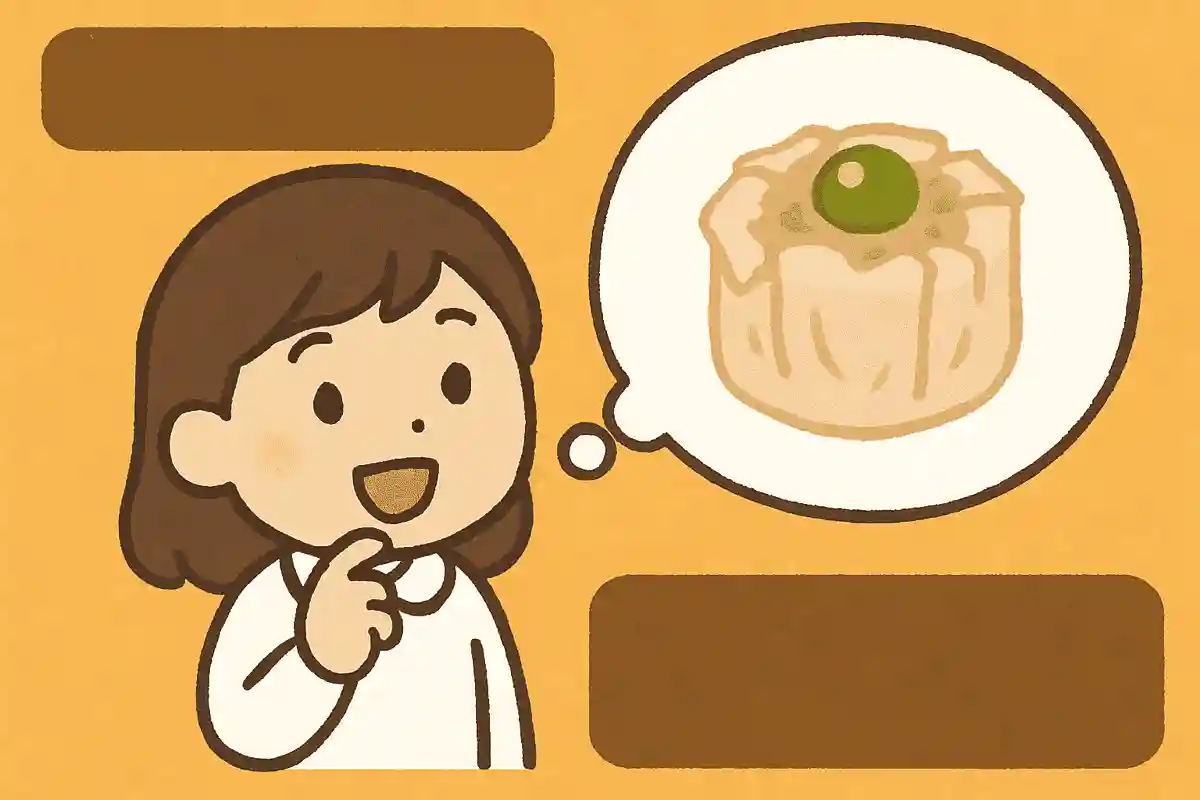
- Because they copied China
- Because I wanted to popularize Greenpeace.
- Because I imitated a shortcake
See the answer
Because I imitated a shortcake
It’s said that the reason green peas started being placed on shumai was inspired by the strawberries on shortcakes. To add a visual accent—like a cake topped with strawberries—someone involved in school lunches came up with the idea to add colorful decorations to shumai as well. It’s a thoughtful touch that shows a desire to make children happy.
Who made fried bread for the first time?
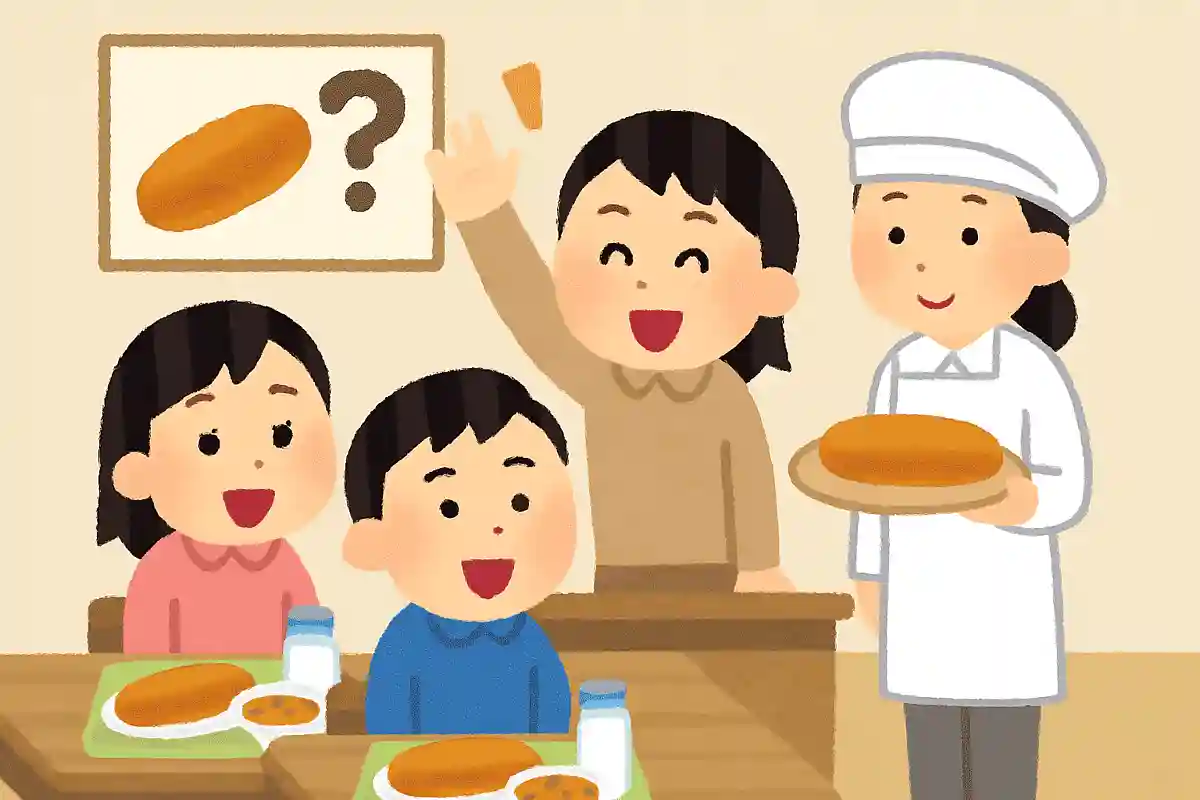
- school lunch cook
- principal
- School nurse
See the answer
school lunch cook
Fried bread is said to be a menu item devised by Tokikichi Shinohara, a school lunch cook, around the time postwar school lunches began, when food supplies were scarce, as a way to adapt plain bread. It is said to have originated from the idea of deep-frying surplus school lunch rolls and coating them with sugar during an influenza outbreak, so that the cold bread could be enjoyed more deliciously.
Nostalgic! A lively school lunch quiz. Let’s look back on those memories (11–20)
What is the reason the school lunch program started?
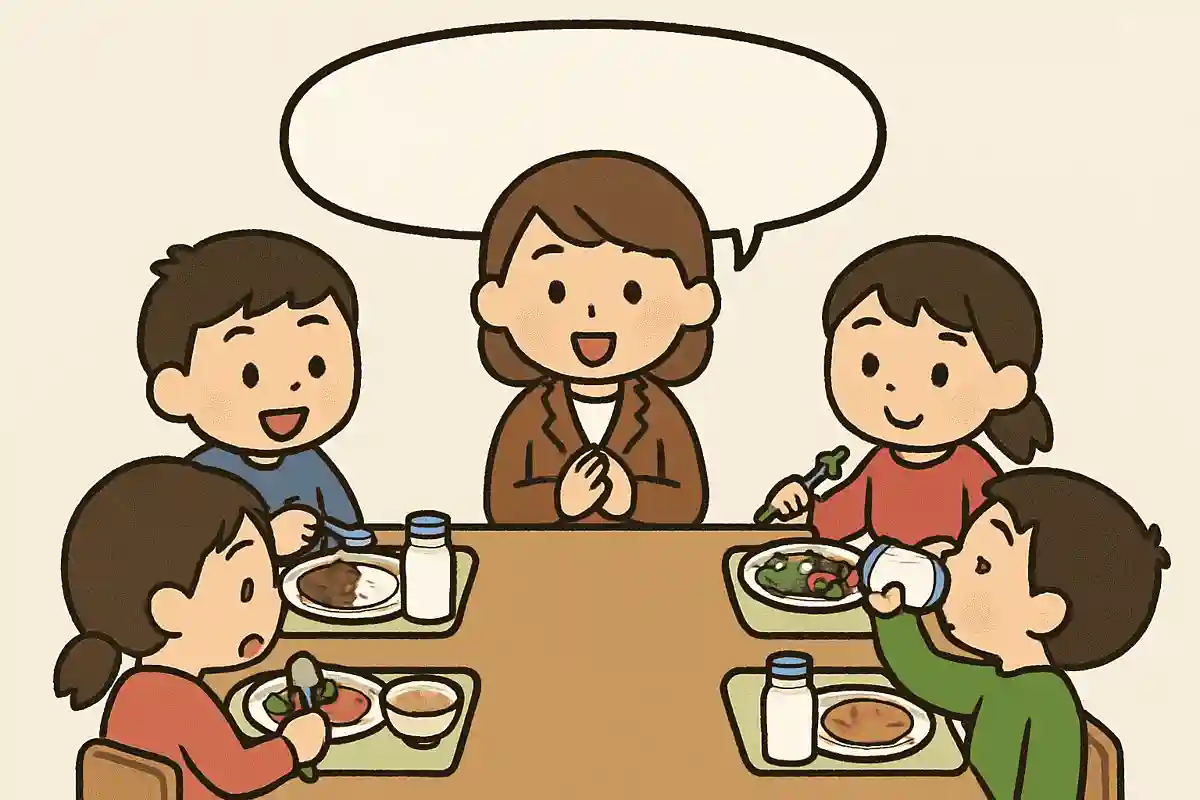
- For improving the nutrition of children living in poverty
- To acquire good table manners
- Because there was a lot of leftover food
See the answer
For improving the nutrition of children living in poverty
School lunches began in the Meiji era because children from economically disadvantaged families had difficulty getting sufficient nutrition. Concerns grew about children’s health, and malnutrition was affecting their academic performance and physical strength, leading various support groups and local governments to launch school lunch programs. As a result, children were able to have well-balanced meals at school, which not only improved their health but also helped create an environment where they could focus on learning with peace of mind.
Why is milk served with school lunches?
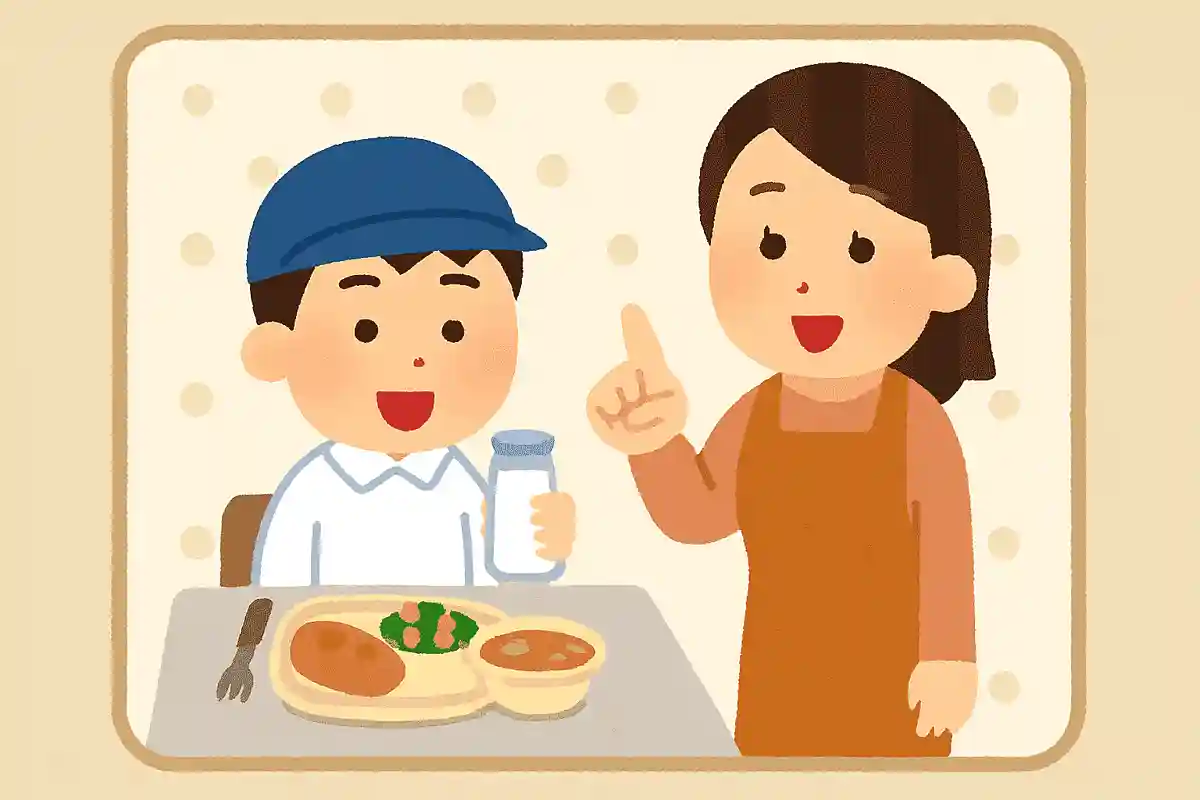
- Because it is mandated by law
- Because it’s provided by the ranch
- Because the principal is instructing (so).
See the answer
Because it is mandated by law
Milk served with school lunches is a menu item mandated by the School Lunch Act. This law requires schools to provide lunches with balanced nutrition so that children and students can grow healthily. Because milk is rich in calcium and protein and is an important source of nutrients for children during their growth period, it has been stipulated that milk be included in daily school lunches.
Among these, which tatuta-age (deep-fried dish) was actually served up until around the 1970s?
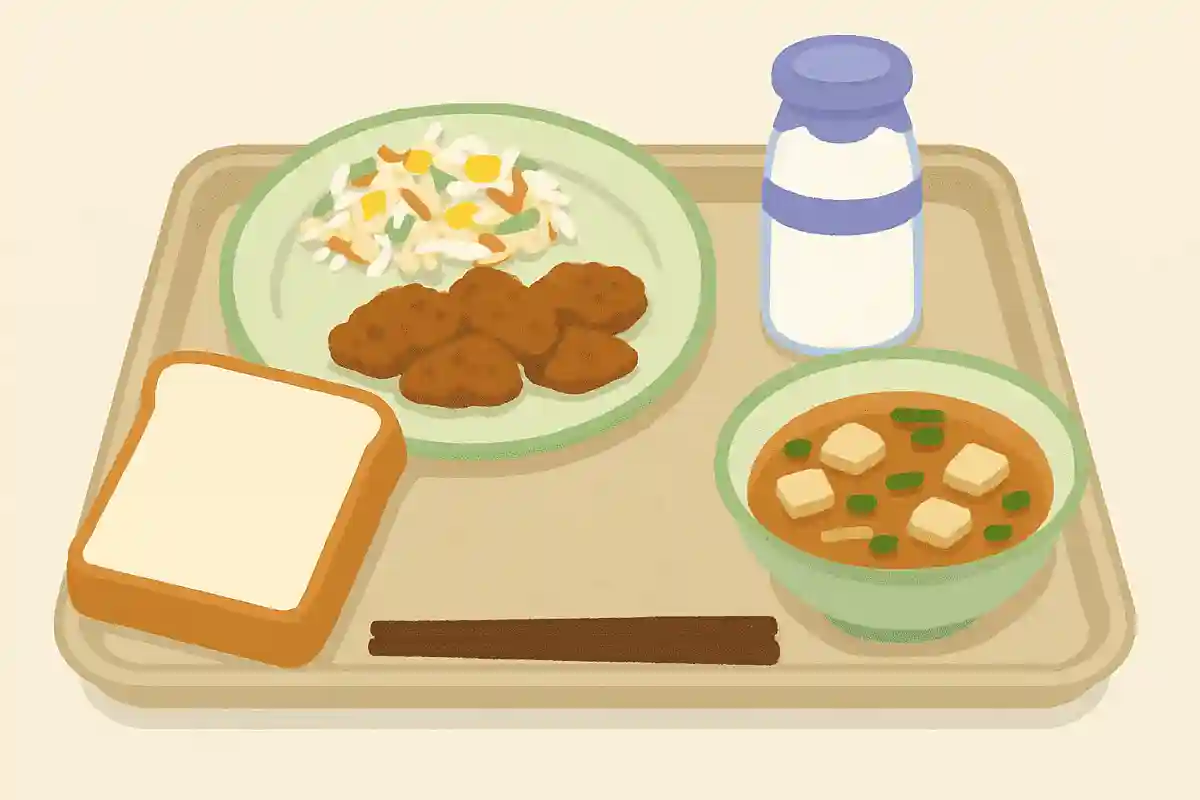
- whale meat
- venison
- wild boar meat
See the answer
whale meat
Tatsuta-age made with whale meat used to be a menu item served in many Japanese school lunches until around the 1970s. At the time, whale was considered an important source of protein and was enjoyed with its own distinctive cooking methods. As the distribution of whale meat declined over the years, whale-meat tatsuta-age also disappeared from menus, but it remains a nostalgic flavor that colors the memories of the generation from that era.
In Saitama school lunches, jelly-fry is made based on potatoes and what other ingredient?
- pancake mix
- ground meat
- okara (soy pulp)
See the answer
okara (soy pulp)
Jelly-fry is known as a local specialty of Saitama Prefecture and even appears on school lunch menus. Despite the name including “jelly,” it’s often noted that it doesn’t contain any jelly-like ingredients such as agar. Its main ingredients are potatoes and okara (soy pulp), and because it’s nutritious and healthy, it has long been cherished in school lunches for its familiar, comforting flavor.