

[For Elementary School Students] A Three-Choice Dinosaur Quiz to Learn Trivia and Knowledge

Dinosaurs, which lived long before humans were born, are popular with people of all ages, from children to adults.
From world-famous movies to illustrated reference books, children have many chances to see them.
In this article, we’ve gathered a selection of dinosaur quizzes designed for elementary school students.
We’ll introduce a wide range of questions—from ones that deepen knowledge about the eras when dinosaurs lived to fun trivia.
It’s great for adding to your store of fun facts, and you can enjoy trying them with parents or friends.
Give these recommended quizzes a try—they’re a perfect way to spark an interest in dinosaurs.
- Fun Dinosaur Quiz Collection for Kids and Adults
- [For Elementary School Students] Animal Quiz to Learn Knowledge and Fun Facts
- Surprisingly unknown? Trivia Quiz [Multiple Choice: 3 Options]
- [For Elementary School Students] 3-Choice Quiz to Deepen Knowledge of Living Things
- [For Seniors] Fun and Easy! Dinosaur Multiple-Choice Quiz (3 Options)
- [For Kids] November Trivia Quiz & Fun Facts: Let’s Learn While Having Fun!
- Trivia quiz with useful tips to know: fun facts that come in handy at school or at home [for kids]
- Let's get excited with a two-choice quiz that everyone—from kids to adults—can enjoy!
- [Knowledge Expander!] A Three-Choice Quiz about Fish for Elementary School Students
- [For Kids] December Trivia Quiz & Fun Facts! Learn about seasonal events and traditions!
- [For Kids] Today’s Quiz Roundup. Let’s play quizzes about today! [May 2026]
- [Common Sense & Trivia] True-or-False Quiz with Knowledge for Elementary School Students
- September Trivia Quiz & Fun Facts! A Fun Autumn Quiz for Kids
[For Elementary School Students] 3-Choice Dinosaur Quiz That Builds Trivia and Knowledge (1–10)
What is the total length of a Brachiosaurus?
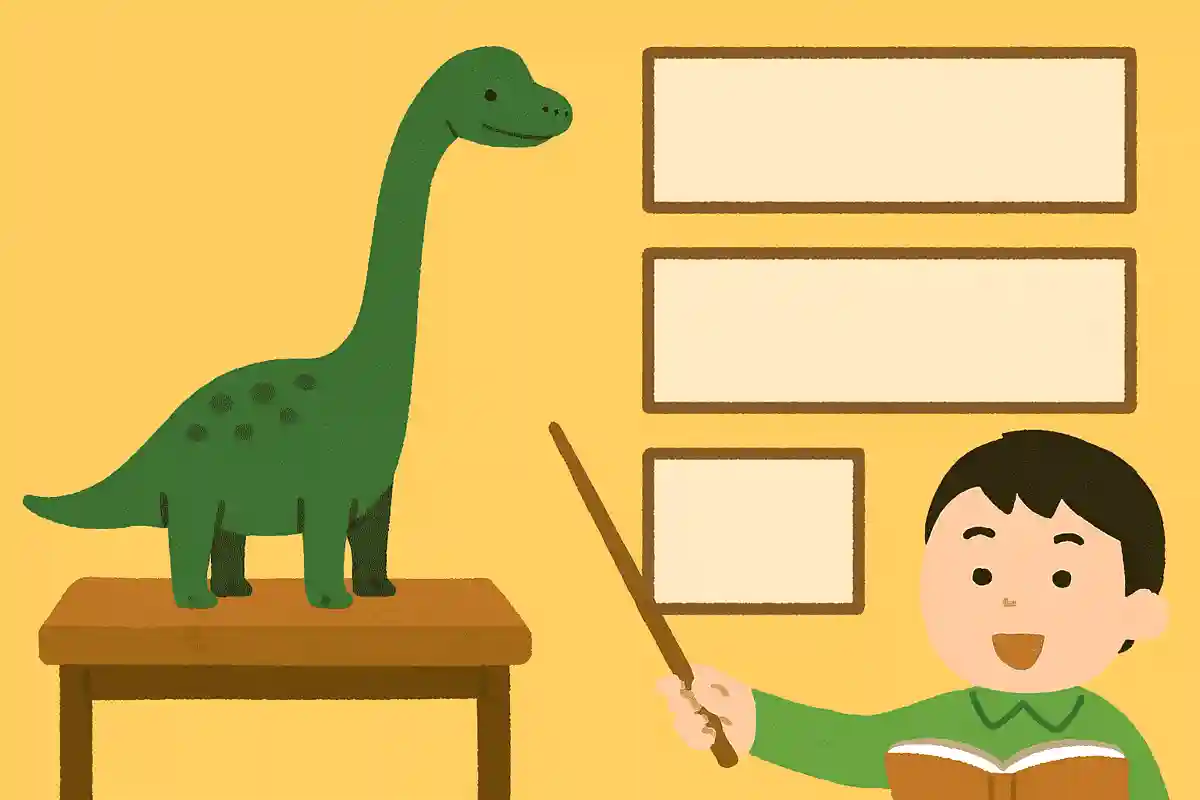
What is the total length of a Brachiosaurus?
- 25m
- 30m
- 40m
See the answer
40m。
Brachiosaurus was a herbivorous dinosaur that appeared in the Late Jurassic. It is said to have reached up to 40 meters in length and weighed between 40 and 70 tons. Thinking of it as about the size of a Boeing 737-800 airplane, it’s astonishingly huge!

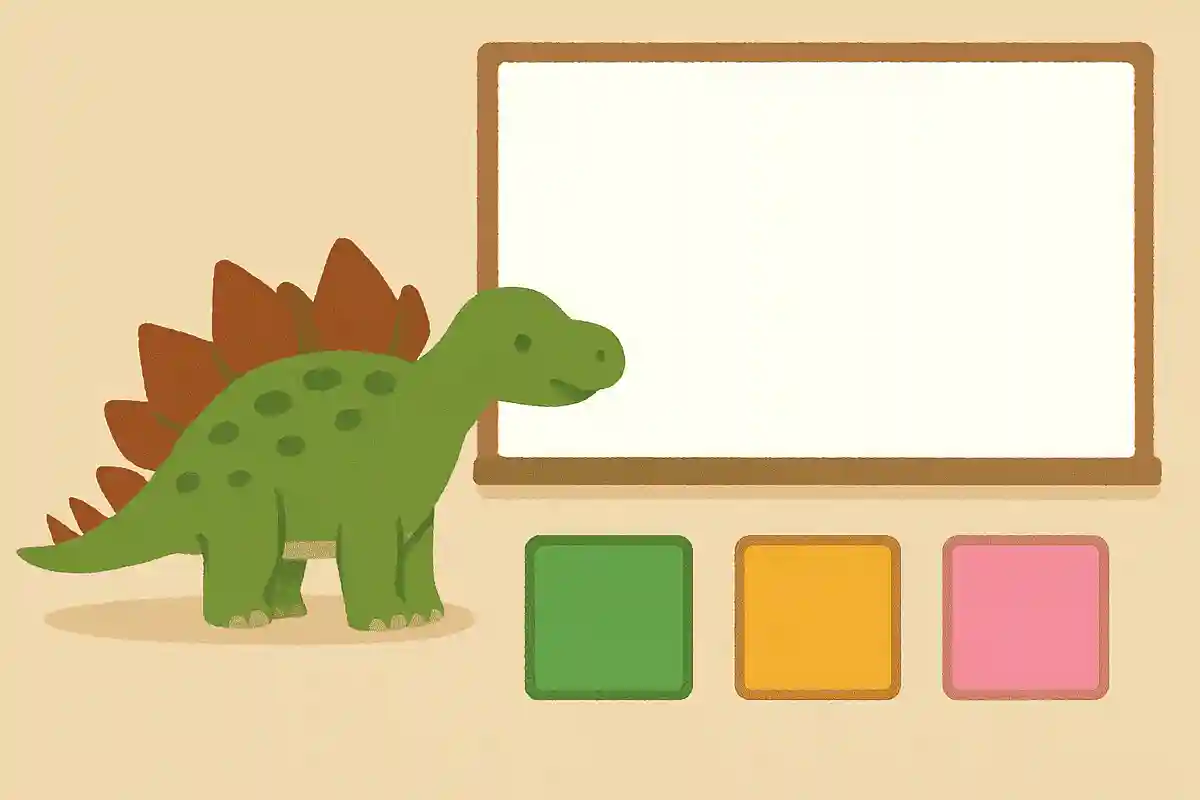
What are the plates on a Stegosaurus’s back for?
- to showcase strength
- To protect oneself from enemies
- For thermoregulation
See the answer
For thermoregulation
The plates on a Stegosaurus’s back contain many capillaries. It is thought that by exposing those plates to lots of sunlight to warm the blood, or to wind to cool it, the animal regulated its body temperature. Those plates on its back also look pretty formidable, don’t they?
About how many years ago did dinosaurs appear on Earth?
About how many years ago did dinosaurs appear on Earth?
- about 150 million years ago
- Approximately 230 million years ago
- About 270 million years ago
See the answer
About 230 million years ago.
Dinosaurs first appeared during the Triassic period, about 230 million years ago. They are said to have thrived for roughly 160 million years until their mass extinction around 66 million years ago. A wide variety of species lived during that time, ranging from enormous ones about 30 meters in length to small ones only a few tens of centimeters long.
[For Elementary School Students] 3-Choice Dinosaur Quiz to Learn Trivia and Knowledge (11–20)
What is something that humans have but dinosaurs do not?
- ear
- nose
- belly button
See the answer
belly button
Dinosaurs are animals that hatch from eggs, and unlike mammals, they do not grow by receiving nutrients from a parent through a placenta. The navel is the mark left by the umbilical cord that connects mammals, including humans, to the placenta while they develop in the mother’s womb. Ears and noses also exist in dinosaurs, and these features are seen in modern birds as well, which are considered the evolved descendants of dinosaurs.

What is the name of the smallest dinosaur in the world that means “small thief”?
- Mononykus
- Reerinasaurus
- Microraptor
See the answer
Microraptor
Some of you may have gotten it right from the word “micro.” Microraptor was a primarily tree-dwelling dinosaur, considered an ancestor of birds, and is said to have had feathers. Its sharp claws may have been for gripping trees securely. Its fossils were discovered in China.
Which part of a fossil can tell us what dinosaurs ate?
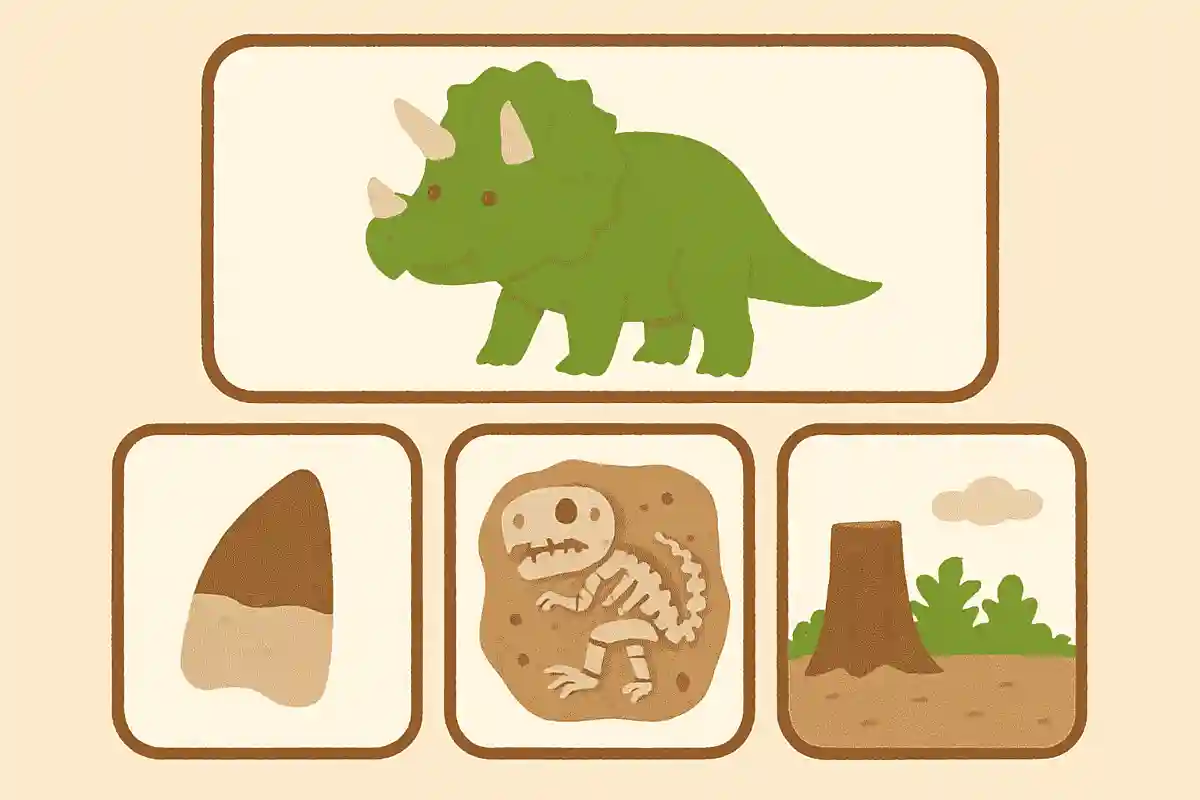
- finger
- tail
- tooth
See the answer
tooth
The most important clue to understanding the diets of dinosaurs is their teeth preserved in fossils. From their shape—such as sharp teeth suited for tearing the flesh of prey or flat, broad teeth for efficiently eating leaves and other plants—we can tell whether they were carnivores or herbivores. It is also considered possible to infer the types of food they ate from distinctive wear patterns and carved-like markings.
About how many years ago did the dinosaurs go extinct?
- about 20 million years ago
- about 44 million years
- about 66 million years ago
See the answer
about 66 million years ago
It’s hard to really grasp something like “about 66 million years ago,” given that humanity has only been able to record history for roughly 2,000 years. The prevailing theory is that the dinosaurs went extinct because a massive asteroid struck what is now Mexico, and the resulting plume covered the Earth, blocking sunlight. Small mammals and insects survived and became the ancestors of later animals.