

[For Elementary School Students] 3-Choice Quiz to Deepen Knowledge of Living Things

Various creatures you can see at places like aquariums and parks are very popular with children.
By working on quizzes with an animal theme, kids can learn, such as remembering names and characteristics.
In this article, we’ve gathered a selection of quizzes about animals for elementary school students.
Focusing on fish, insects, and more, we’ll introduce quizzes that deepen knowledge about a wide variety of creatures.
These are great to try with family and friends, and they’re sure to be fun for elementary schoolers who love animals.
- [For Elementary School Students] Animal Quiz to Learn Knowledge and Fun Facts
- [Knowledge Expander!] A Three-Choice Quiz about Fish for Elementary School Students
- [Animal Quiz] Learn about animals through quizzes!
- [Trivia] Do you know the answers? A roundup of animal quizzes
- [For Elementary School Students] A Three-Choice Dinosaur Quiz to Learn Trivia and Knowledge
- How Much Do You Know? Food Quiz for Elementary School Students
- Become a trivia master with a multiple-choice quiz for elementary schoolers! A fun problem collection that captivates both kids and adults
- Anime quizzes that elementary school kids will love! A collection of questions parents and children can enjoy together
- Insect trivia quiz: A collection of fun facts and questions about bugs for children.
- [For Kids] November Trivia Quiz & Fun Facts: Let’s Learn While Having Fun!
- [For Elementary School Students] Which Is Bigger? Quiz Collection — Let’s Compare Sizes
- [Killing Time] A Collection of Fun Trivia Quizzes You'll Want to Share with Someone
- Sea Creatures: Dolphin Trivia Quiz — Enjoyable Three-Choice Questions on Fun Facts
[For Elementary School Students] 3-Choice Quiz to Deepen Knowledge About Living Creatures (1–10)
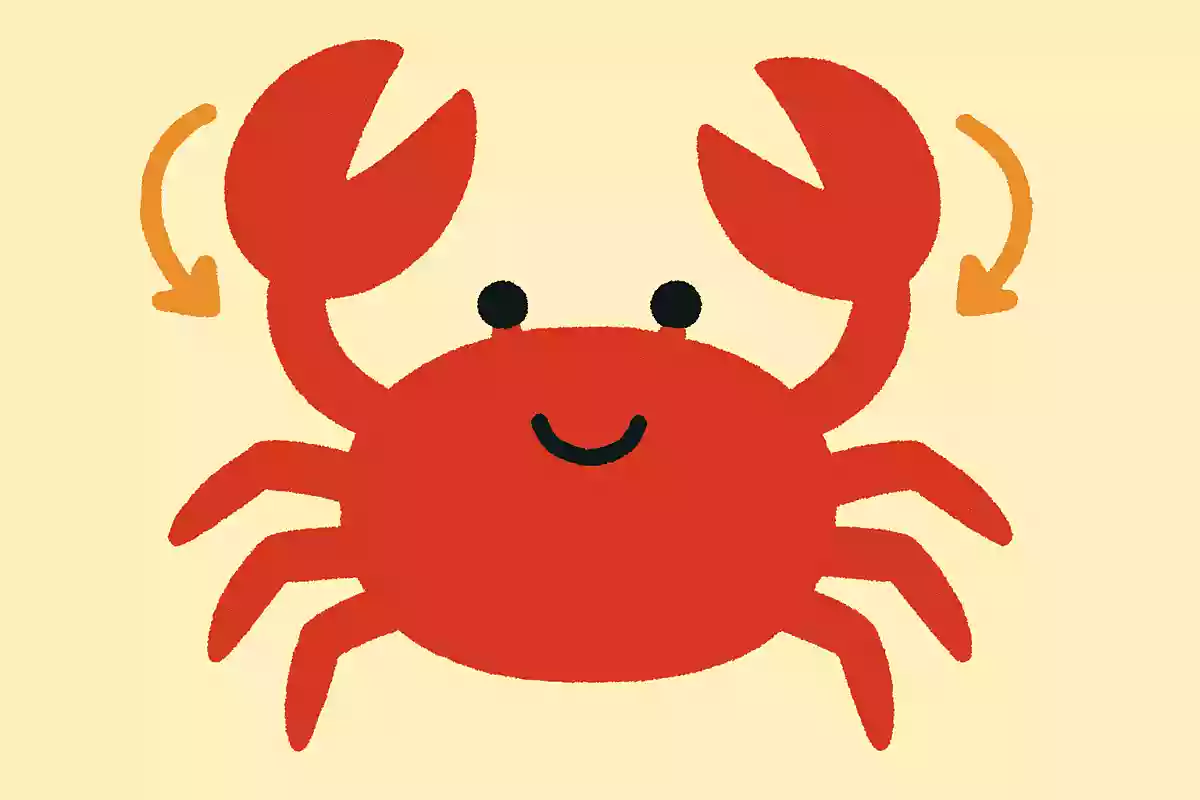
How do a crab’s claws move?
- It doesn't work.
- Only one side moves
- Both work.
See the answer
Only one side moves
A crab’s claws are set up so that one side is fixed and doesn’t move, while only the other side moves. Crabs use these claws to catch food and tear it into bite-sized pieces. Incidentally, a crab’s claws are considered legs, not hands.

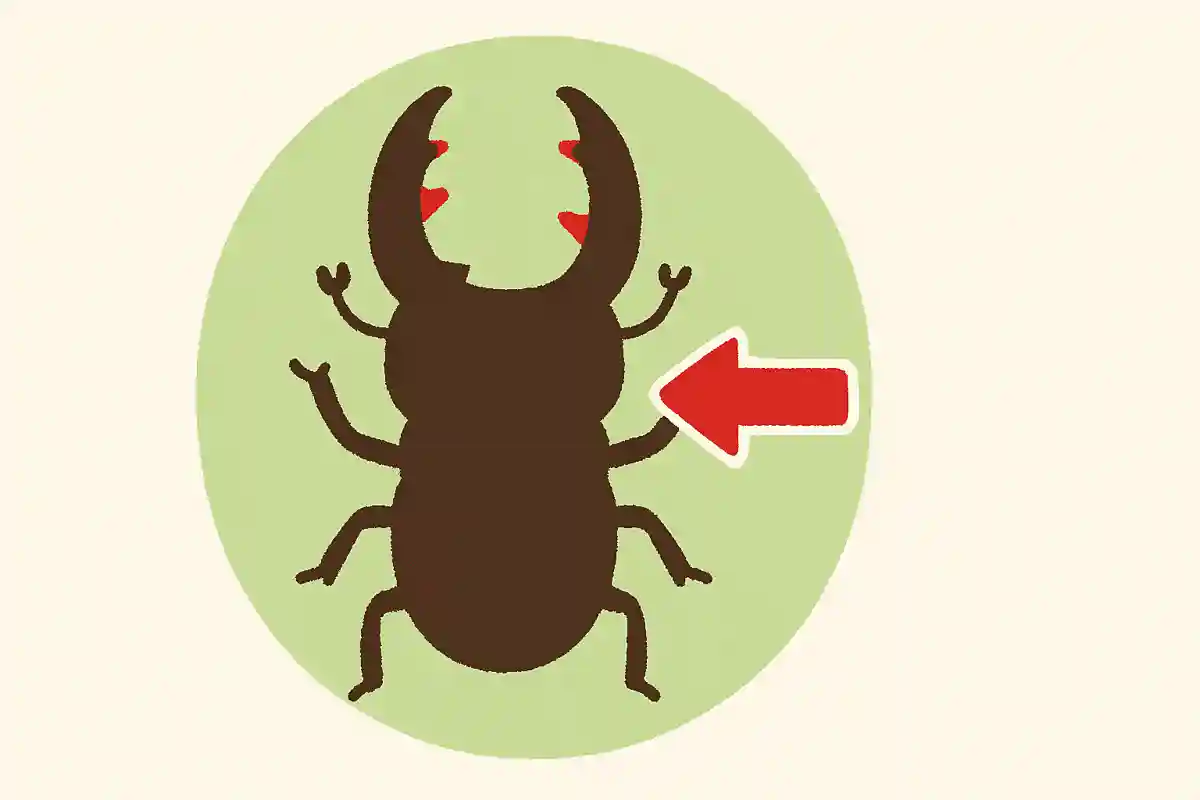
Which part of the body is the stag beetle’s mandible?
- forehead
- horn
- chin
See the answer
chin
The pincers that male stag beetles have correspond to their jaws. They are used to grapple with and overpower other males during fights, and when competing over territory. Well-developed pincers are a symbol of strength and an important factor in winning mates.

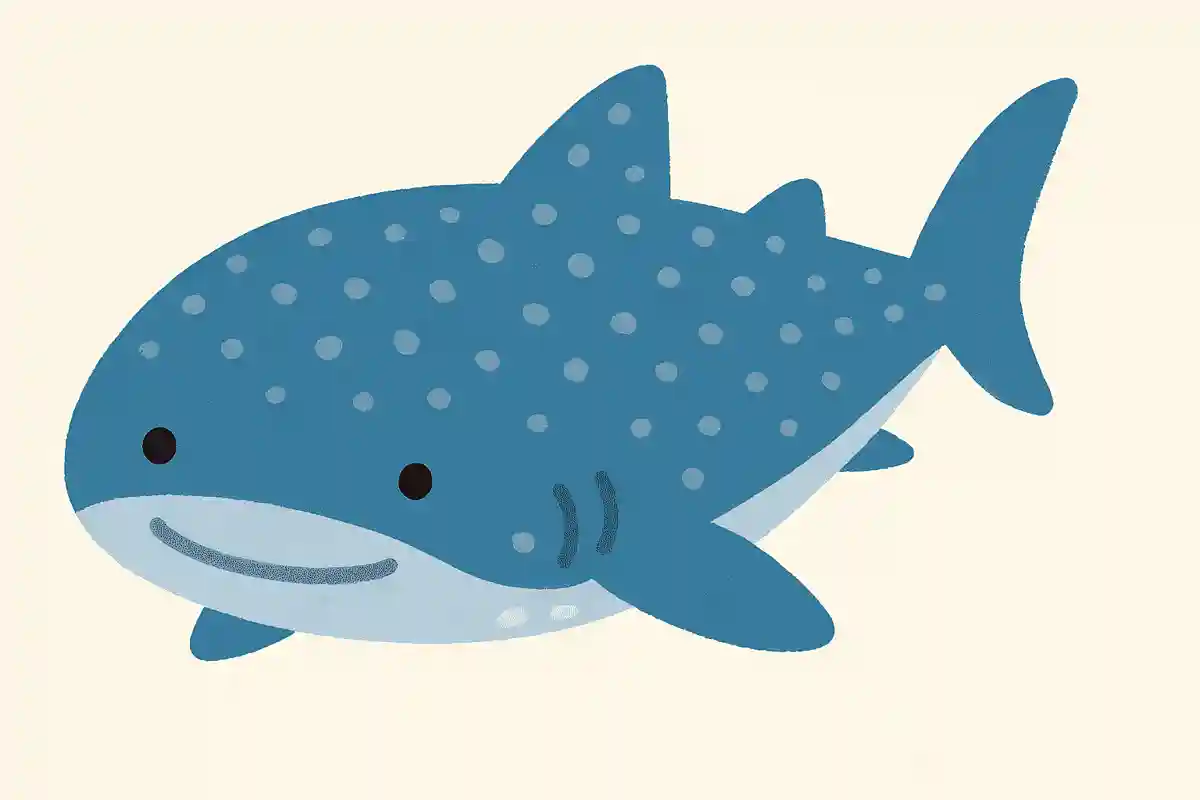
What is the name of the largest fish in the world?
- Australian sunfish
- whale shark
- reef manta ray
See the answer
whale shark
The whale shark got its name because the pattern on its body resembles a traditional Jinbei haori. Although it has a large body, it feeds on tiny plankton. It is gentle by nature, does not attack people or large fish, and can be rather timid.

[For Elementary School Students] 3-Choice Quiz to Deepen Knowledge of Living Creatures (11–20)
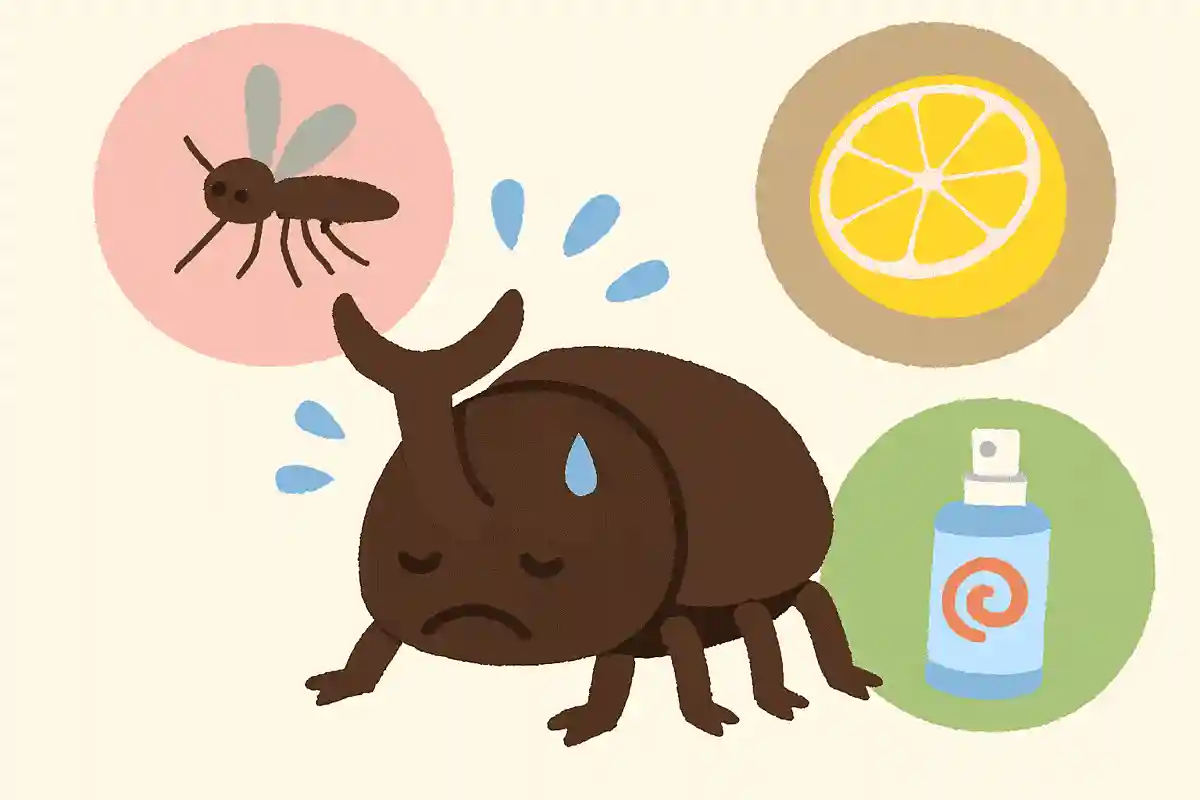
What are stag beetles bad at?
- Searching for tree sap
- Fighting
- Flying
See the answer
Flying
Rhinoceros beetles have large bodies and small wings, so they’re not good at flying. Basically, they don’t move much from where they are unless another insect takes over their feeding spot. Even when they do fly, they’re slow and can’t compete with insects like dragonflies.
What body parts do fish and humans have in common?
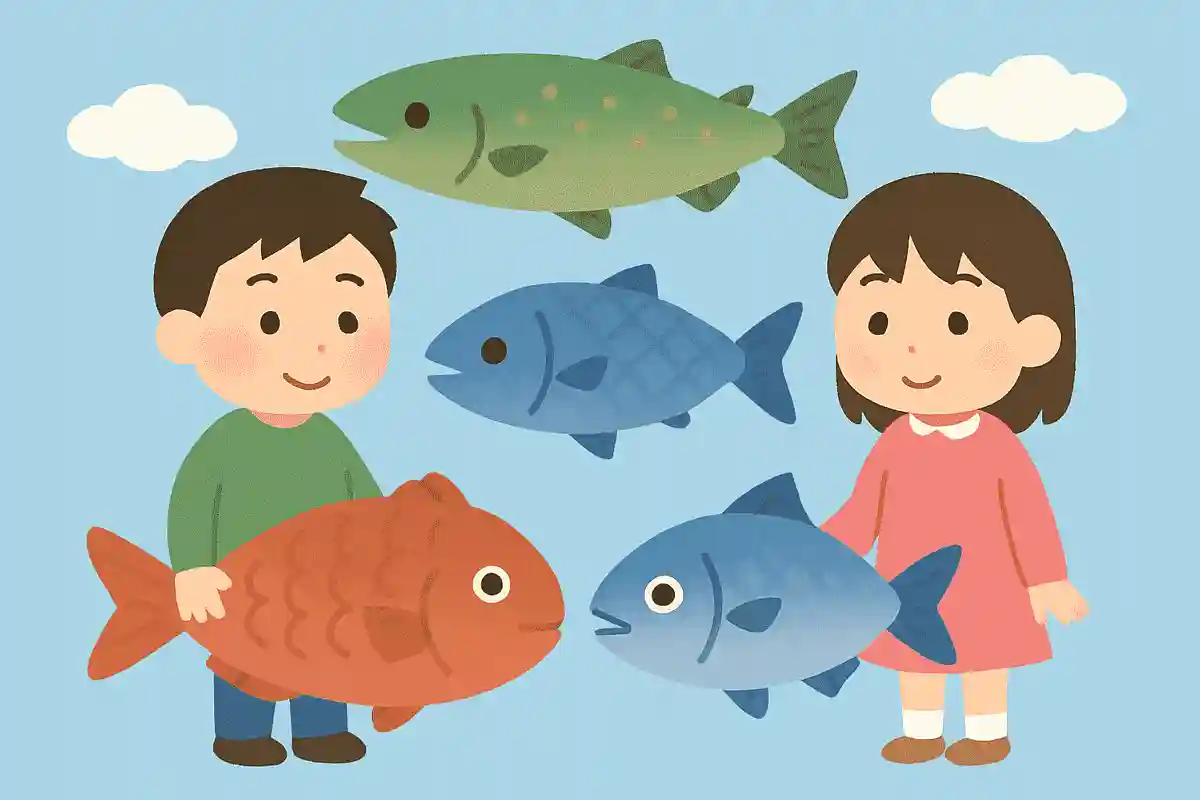
- mouth breathing
- It has fins.
- has a backbone
See the answer
has a backbone
Humans have a fixed number of 24 vertebrae, but fish do not have a set number. Fish also have more bones than humans—for example, they have three just in the jaw, and several dozen in the fins. By the way, if a fish bone gets stuck in your throat, gargling is recommended as a first step.
Which of these is not a fish?
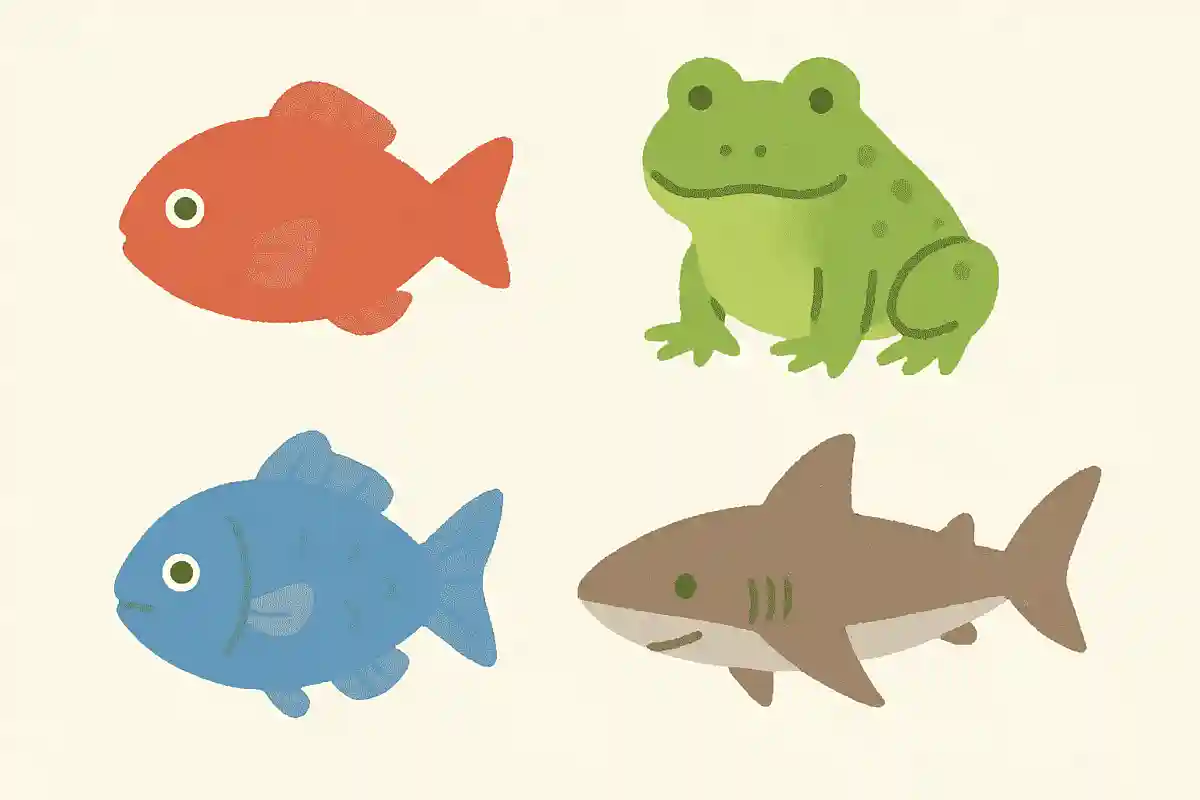
- shark
- sunfish (ocean sunfish); also slang abbreviation for quasi-emergency COVID-19 measures in Japan
- dolphin
See the answer
dolphin
The correct answer is “dolphin.” Sharks are fish that belong to the class of cartilaginous fish, differing from other fish in that their skeletons are made of cartilage. Meanwhile, the ocean sunfish lives in tropical and subtropical seas; although it has an unusual shape, it is a type of fish. However, dolphins are not fish but mammals. Dolphins have characteristics unique to mammals, such as breathing with lungs and nursing their young with milk.
What does a pufferfish do when it gets angry?
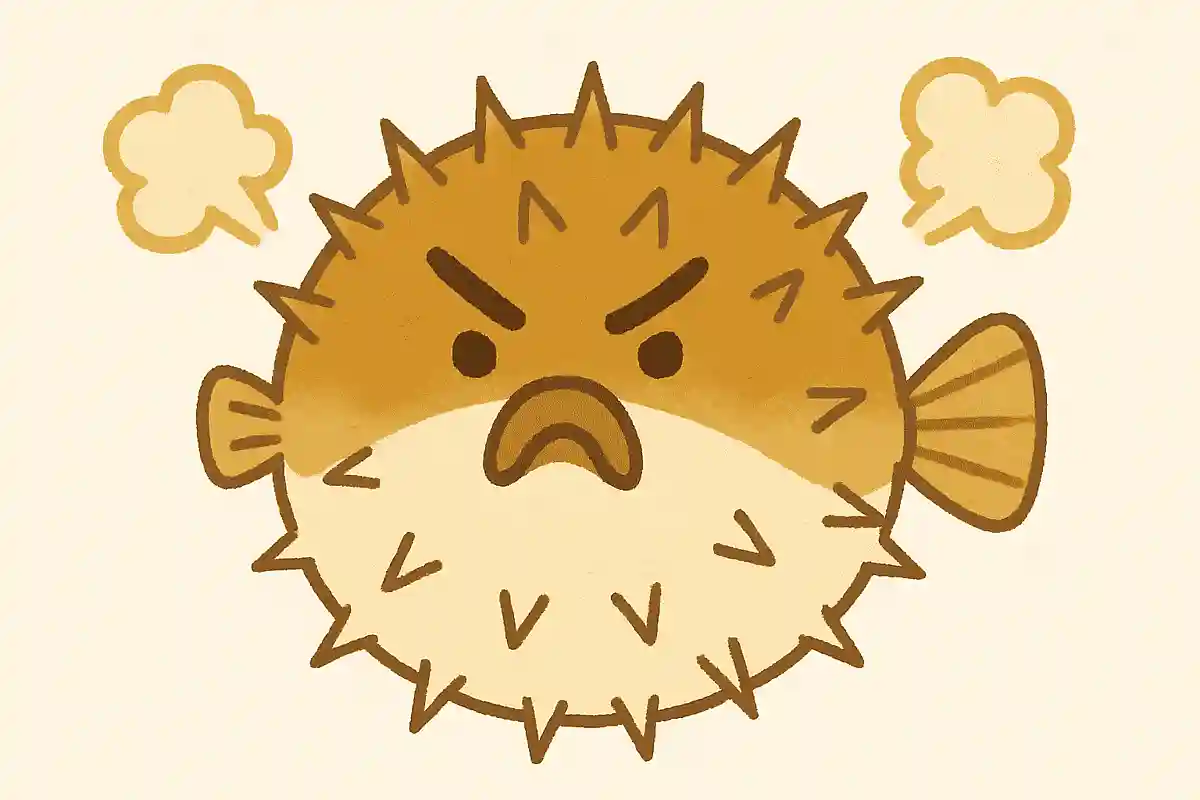
- make a sound
- shoot a needle
- puff up one's body
See the answer
puff up one's body
Pufferfish puff up their bodies when they feel threatened or stressed. One theory about the origin of their Japanese name, “fugu,” comes from this puffing behavior. They are also written as “河豚” in kanji because their swollen appearance was thought to resemble a pig.