

Recommended love songs for women in their 70s: A collection of nostalgic love songs

Love songs that sing of people’s romances have always been popular, and many timeless classics that define their eras have been born.
In this article, we’ll introduce a selection of love songs especially recommended for women in their 70s.
We’ve focused mainly on tracks from the 1960s and 1970s, so those in their 70s will likely recognize many of them.
This is useful not only for people in their 70s who want recommendations, but also for younger readers looking for love songs that are popular among those in their 70s.
We hope you’ll find a song that brings back memories of your younger days.
- Tear-jerking songs for women in their 70s: from Showa-era classics to Heisei hits
- Easy-to-sing songs recommended for women in their 70s: A collection of classic hits perfect for karaoke
- [Recommended for people in their 70s] Songs that really move you. Beloved classic Japanese hits of the past.
- [Recommended for people in their 70s] Classic nostalgic hits: A collection of youth songs
- [2026] Recommended karaoke songs for women in their 70s: from enka to Showa-era pop
- Recommended love songs for men in their 70s: A collection of nostalgic love songs
- [Nostalgic 1960s] A Collection of Classic Western Songs Recommended for Women in Their 70s [2026]
- Recommended love songs for people in their 90s: A collection of classic Shōwa-era romance songs
- Recommended Christmas songs for people in their 70s: A collection of classic winter hits from the Showa era
- [Karaoke] 70-Something Women Will Get Fired Up! A Collection of Nostalgic Western Songs [2026]
- Recommended love songs for people in their 80s: A collection of classic love songs that colored the Showa era
- [For Seniors] Recommended Spring Songs for People in Their 70s: A Collection of Nostalgic Spring Tunes
- Recommended heartbreak songs for women in their 70s. A collection of classic Showa-era breakup masterpieces.
Recommended love songs for women in their 70s: A collection of nostalgic love songs (21–30)
The person I fell in love withMiyako Harumi

Even while singing of parting, this enka masterpiece somehow gives you the strength to look ahead.
Released as a single by Harumi Miyako in September 1968, its repeated opening words strikingly capture a heart in turmoil.
Rather than blaming the other person, the song resonates for the way it sends them off while bearing one’s own pain.
Although it peaked at No.
24 on the Oricon chart, it stayed ranked for 38 weeks, becoming a long‑loved bestseller.
It was used as an insert song in the 1991 animated film “Only Yesterday” (Omohide Poro Poro) and chosen as the ending theme for the 1999 film “Big Show! Utaeba Hawai.” A legendary moment often recalled is its performance as the first-ever encore in the 1984 NHK Kōhaku Uta Gassen.
On a winter’s day, why not hum it softly as you look back on your memories?
A Night’s DreamMinami Kōsetsu

The gem of a masterpiece “Yume Ichiyo” was born after Kousetsu Minami heard his wife playing Beethoven’s “Tempest” on the piano.
A fleeting yet beautiful scene of a brief love affair is vividly portrayed through Yohko Aki’s lyrically rich lyrics and Kousetsu Minami’s gentle, deeply expressive melody.
While realistically conveying the delicate nuances of a woman’s complex emotions, the song is suffused with a warmth that quietly seeps into the listener’s heart.
Upon its release in 1978, it was featured in a Shiseido campaign and took the era by storm.
It’s a song we especially recommend to those who seek solace in Kousetsu Minami’s voice or wish to revisit the bittersweet moments of life.
Melancholy CasablancaGō Hiromi

Hiromi Go’s classic “Casablanca of Melancholy” is a gem of a ballad that poignantly sings of heartbreak.
Set to a beautiful melody, the lyrics delicately portray sweet memories of a youthful romance and a powerful desire to win her back.
Released in 1982, the song climbed high on the Oricon charts and became a massive hit, even being featured in a Suntory commercial.
It was also included on an album released the same year, showcasing Go’s talents as a master of ballads.
Try listening to it quietly at dusk—you may find the image of a cherished person rising before your eyes.
My boyfriend is left-handed.Asaoka Megumi

Megumi Asaoka’s 1973 hit “My Boyfriend Is Left-Handed” is a song that blends nostalgia with freshness.
Her distinctive vocal tone gently conveys tender feelings for a lover.
The way the protagonist carefully notices each action of her left-handed partner clearly expresses how deeply she loves him.
It’s a classic that will make you want to listen while thinking of someone dear—a song I especially recommend to those in their 70s.
Tangled HairMisora Hibari

As her comeback release, Hibari Misora brought out this celebrated song of profound love and sorrow in December 1987.
Set against the backdrop of the Shioyasaki Lighthouse, it sings of unwavering feelings and prayers for someone who has gone away.
Carried by an elegant melody, it masterfully conveys the complex emotions of a woman heartbroken in love.
Recorded in a single take with a full orchestra, the session showcased Hibari Misora’s unparalleled vocal prowess.
It remains a treasured piece, long beloved by many as a song to be heard alongside cherished memories and landscapes.
A Summer Day in Lovetenchi mari
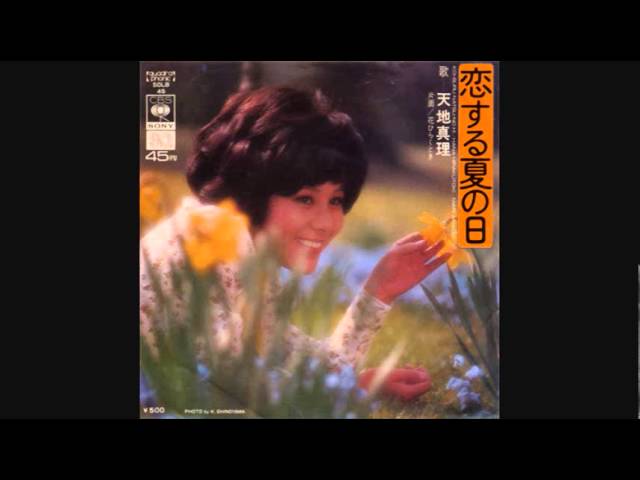
Among the summer songs sung by the national idol Mari Amachi, this piece is one of the first masterpieces that comes to mind.
It portrays the sweet, fluttering scenes of first love—waiting for someone you like on the tennis court—and just listening makes your heart skip a beat.
Released in July 1973, the song spent six consecutive weeks at No.
1 on the Oricon charts.
Beyond her adorable appearance singing in white tennis wear on that year’s Kōhaku Uta Gassen, her crystal-clear voice and breezy melody evoke the very essence of youth in summer.
It’s the perfect track for when you want to let your heart drift back to days gone by.
My first loveOgawa Tomoko

While its breeze-like freshness soothes, there’s a tinge of melancholy in the melody that seems to bring back memories of distant summer days, doesn’t it? This work by Tomoko Ogawa is a classic that paints the bittersweet memory of first love and the fragile feelings for someone you can no longer meet.
Released as a single in January 1969, it became legendary after her tearful performance on the TV program “Yoru no Hit Studio” in February of the same year.
The way her crystal-clear voice intertwines with the story behind the song deepens the poignant world of the lyrics in an irresistible way.
It’s the perfect song for a moment of reminiscing about the sparkling days of youth, isn’t it?