

Recommended love songs for women in their 70s: A collection of nostalgic love songs

Love songs that sing of people’s romances have always been popular, and many timeless classics that define their eras have been born.
In this article, we’ll introduce a selection of love songs especially recommended for women in their 70s.
We’ve focused mainly on tracks from the 1960s and 1970s, so those in their 70s will likely recognize many of them.
This is useful not only for people in their 70s who want recommendations, but also for younger readers looking for love songs that are popular among those in their 70s.
We hope you’ll find a song that brings back memories of your younger days.
- Tear-jerking songs for women in their 70s: from Showa-era classics to Heisei hits
- Easy-to-sing songs recommended for women in their 70s: A collection of classic hits perfect for karaoke
- [Recommended for people in their 70s] Songs that really move you. Beloved classic Japanese hits of the past.
- [Recommended for people in their 70s] Classic nostalgic hits: A collection of youth songs
- [2026] Recommended karaoke songs for women in their 70s: from enka to Showa-era pop
- Recommended love songs for men in their 70s: A collection of nostalgic love songs
- [Nostalgic 1960s] A Collection of Classic Western Songs Recommended for Women in Their 70s [2026]
- Recommended love songs for people in their 90s: A collection of classic Shōwa-era romance songs
- Recommended Christmas songs for people in their 70s: A collection of classic winter hits from the Showa era
- [Karaoke] 70-Something Women Will Get Fired Up! A Collection of Nostalgic Western Songs [2026]
- Recommended love songs for people in their 80s: A collection of classic love songs that colored the Showa era
- [For Seniors] Recommended Spring Songs for People in Their 70s: A Collection of Nostalgic Spring Tunes
- Recommended heartbreak songs for women in their 70s. A collection of classic Showa-era breakup masterpieces.
Recommended love songs for women in their 70s: A nostalgic collection of love songs (51–60)
Temptation of the Spring BreezeKoizumi Kyoko

Under a sky where northern snow clouds drift by, a fresh melody echoes in the heart, hinting at the start of a new season.
Released by Kyoko Koizumi in February 1983, this masterpiece gracefully portrays the pure feelings of a girl eagerly awaiting love.
From atop a rooftop shimmering with heat haze, it delicately depicts the protagonist’s faint stirrings of love and her sense of anticipation as she watches spring’s arrival.
Also included on the album “Breezing,” the song became her first to break into the Oricon top 10.
While the girl sips tea by the window and watches people passing by, Mitsuo Hagita’s arrangement gently enfolds her emotions.
It’s a song best enjoyed on a calm spring day, while basking in nostalgia.
My Pure LadyOzaki Ami

This is a memorable track with a refreshing bossa nova-style melody that evokes the arrival of spring.
Its gentle, soft atmosphere, which tenderly wraps around feelings of a faint crush and affection for someone, will warm your heart before you know it.
Ami Ozaki’s clear, translucent vocals blend beautifully with lyrics that depict the small joys of everyday life.
Released in February 1977, the song was also used in a Shiseido cosmetics commercial and reached No.
4 on the Oricon charts.
The arrangement by Masataka Matsutoya and the performance by members of Tin Pan Alley are among its many charms.
It’s a lovely piece you’ll want to listen to with the windows open, feeling the pleasant breeze under the calm spring sunlight.
spring hazeIwasaki Hiromi

With a beautiful singing voice reminiscent of Showa-era idols, she performed a classic that resonates in the hearts of older listeners.
Against a backdrop of cherry blossoms in half bloom, the song delicately portrays the bittersweet love of a young couple.
It carefully expresses the feelings of a woman determined to pursue love despite her father’s opposition.
Hiromi Iwasaki’s clear, transparent vocals vividly capture a fleeting spring moment with cherry blossoms in bloom.
Released in February 1979, this work was beloved by many, even making its first appearance in the Top Ten on TBS’s “The Best Ten.” Even today, it remains a much-loved song brimming with the atmosphere of spring’s arrival.
It’s especially recommended to listen to during cherry blossom season together with older adults—letting them reminisce about the past while feeling the coming of spring.
Anemone flaccida (nirinsō; literally “two-flowered anemone”)kawanaka miyuki

This is a warm song about the bond between husband and wife, with Miyuki Kawanaka’s emotionally rich vocals resonating deeply.
Using as its motif a plant where two flowers bloom side by side, it sings of the importance of caring for and supporting each other through life.
Combined with her gently enveloping voice, the piece is heartwarming, conveying deep love and connection.
Released in 1998, it became a major hit, with shipments surpassing one million copies.
At the 40th Japan Record Awards, it won both the Excellence Award and the Arrangement Award.
Featured five times on NHK’s Kōhaku Uta Gassen, this song has long been cherished in karaoke as a memorable tune for couples who have spent many years together.
Recommended Love Songs for Women in Their 70s: A Collection of Nostalgic Love Songs (61–70)
A hill with a view of the harborHirano Aiko

A postwar masterpiece that gently sings of a beautiful port town.
With its wistful melody and emotionally rich lyrics, Aiko Hirano superbly conveys the stirrings of love and the ache of parting.
On a hill overlooking the harbor, as cherry blossoms fall, the delicate feelings of someone thinking of a departing lover are vividly depicted, giving the song a universal appeal that anyone can relate to.
Since its release in April 1947, it became Victor’s first hit of the postwar era, selling a total of 450,000 copies.
Many artists, including Naomi Chiaki, Mina Aoe, and Hibari Misora, have covered it.
It’s a perfect song for the season when spring is in the air, offering a heartwarming moment filled with nostalgia.
It is a wonderful piece for seniors to share a calm, reminiscence-filled time together.
Flying to IstanbulShōno Mayoyo
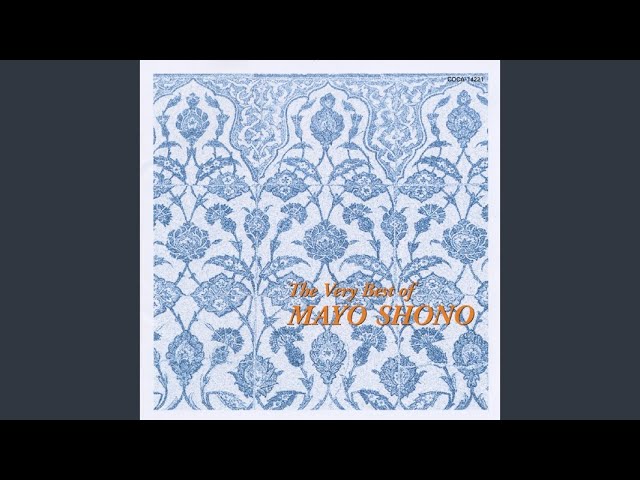
A captivating song that beckons you into an exotic world with its dreamy melody and sophisticated, cosmopolitan lyrics.
Released in April 1978, it became one of Maya Shono’s signature works, selling 463,000 copies on the Oricon charts.
Though composer Kyohei Tsutsumi originally wrote it for Goro Noguchi, he decided it would suit a female vocalist better and offered it to Shono.
The arrangement features the Greek folk instrument bouzouki, adding to its exotic atmosphere.
The song portrays a woman setting off on a sentimental journey after a heartbreak, delicately expressing her resolve not to resent her former lover but to accept the experience as a cherished memory.
It’s a perfect choice to sing on a summer night at karaoke, accompanied by your own precious memories.
A Doll’s HouseHirota Mieko

A quintessential love song that symbolizes the Showa era, this is Mieko Hirota’s signature track, released in July 1969.
While harboring deep affection for her partner, the song portrays a woman who has lost sight of herself.
The protagonist likens herself to a doll and expresses her resolve to overcome lost love and rediscover who she is.
It topped the Oricon chart for three consecutive weeks and earned the Vocal Performance Award at the 11th Japan Record Awards.
Her powerful yet delicate voice beautifully conveys the song’s melodic and lyrical world.
Many artists across genres, including Megumi Asaoka and Hideaki Tokunaga, have covered it.
It’s a song that resonates when facing a farewell with someone dear or taking a step into a new chapter of life.