

[Recommended for people in their 70s] Classic nostalgic hits: A collection of youth songs

If you’re in your 70s, there’s a good chance you have a deep attachment to songs from the 1960s and 70s.
The music you listened to in your youth stays in your heart, and once you hear it, you can’t help but hum along.
In this article, we’ll introduce a wide selection of youth songs we’d love people in their 70s to hear.
We’ve chosen a variety of tracks, mainly from the 60s and 70s, so take your time listening as you look back on memories from those days.
- [Recommended for people in their 70s] Songs that really move you. Beloved classic Japanese hits of the past.
- [Recommended for people in their 70s] Songs that get everyone excited. Songs you’ll want to sing at karaoke.
- Recommended Cheer-Up Songs for People in Their 70s: A Collection of Uplifting Tunes
- Tear-jerking songs for women in their 70s: from Showa-era classics to Heisei hits
- Recommended youth songs for people in their 80s: A collection of nostalgic classics
- Nostalgic Days of Youth: A Collection of Western Music Recommended for Men in Their 70s [2026]
- Recommended love songs for women in their 70s: A collection of nostalgic love songs
- [Nostalgic Songs] A collection of tear-jerking Japanese tracks recommended for men in their 70s
- Energizing songs recommended for men in their 70s: A roundup of nostalgic power tracks
- [For women in their 70s] A collection of songs that are easy to sing even for people who are tone-deaf
- Recommended love songs for men in their 70s: A collection of nostalgic love songs
- [2026] Recommended karaoke songs for women in their 70s: from enka to Showa-era pop
- Recommended love songs for people in their 80s: A collection of classic love songs that colored the Showa era
[Recommended for people in their 70s] Beloved classics from the past: A collection of youth songs (11–20)
Tangled HairMisora Hibari

As her comeback release, Hibari Misora brought out this celebrated song of profound love and sorrow in December 1987.
Set against the backdrop of the Shioyasaki Lighthouse, it sings of unwavering feelings and prayers for someone who has gone away.
Carried by an elegant melody, it masterfully conveys the complex emotions of a woman heartbroken in love.
Recorded in a single take with a full orchestra, the session showcased Hibari Misora’s unparalleled vocal prowess.
It remains a treasured piece, long beloved by many as a song to be heard alongside cherished memories and landscapes.
March of 365 StepsSuizenji Kiyoko

Released in 1968, this kayōkyoku (Japanese popular song) is characterized by its bright, upbeat, march-like rhythm.
Sung by Kiyoko Suizenji, the number carries an encouraging message about moving forward while cherishing the small steps we take each day—making it perfect for January as we welcome a new year.
The lyrics resonate with hopeful expressions about the importance of advancing one step at a time and how beautiful flowers bloom along the footprints we leave.
In 1969, it was chosen as the entrance march for the National High School Baseball Invitational Tournament, and it has since become a classic frequently used in anime and commercials.
At New Year gatherings or recreational events, singing it together can lift everyone’s spirits and help kick off the year with energy.
Rainy MidosujiŌyō Fifi

A classic song that poignantly and expressively sings of a bittersweet love against the backdrop of rain-soaked Osaka streets.
The feelings conveyed by Ouyang Fei Fei are imbued with the sorrow of a woman searching for her lover as she walks south along Midosuji.
The vivid depictions of ginkgo-lined avenues and sidewalks are memorable, unfolding scenes anyone can picture in their mind.
Released in September 1971, the song topped the Oricon weekly chart for nine consecutive weeks.
It won the New Artist Award at the 13th Japan Record Awards and quickly became a massive hit.
It’s best enjoyed alone on a quiet night.
As you listen, reflecting on memories with someone dear, your heart will gently warm with a sense of nostalgia.
A Letter Waiting for Springyoshida takurou

This is a gem of a melody by Takuro Yoshida, warmly depicting a heartfelt exchange through letters that gently convey the feelings and memories of a man and a woman.
The image of two people far apart, drawing close to each other through their letters, carries a nostalgic sentiment that many have felt.
Accompanied by a calm guitar tone, the feelings of a couple trying to connect while awaiting the arrival of spring leave a lingering resonance.
Released in October 1979, it reached No.
52 on the Oricon Weekly Singles Chart.
It was also included on the album “ONLY YOU 〜since coming For Life〜,” and has long been loved by many.
It’s a perfect song for those moments when you want to relax and enjoy music while looking back on memories with someone special.
Anemone flaccida (nirinsō; literally “two-flowered anemone”)kawanaka miyuki
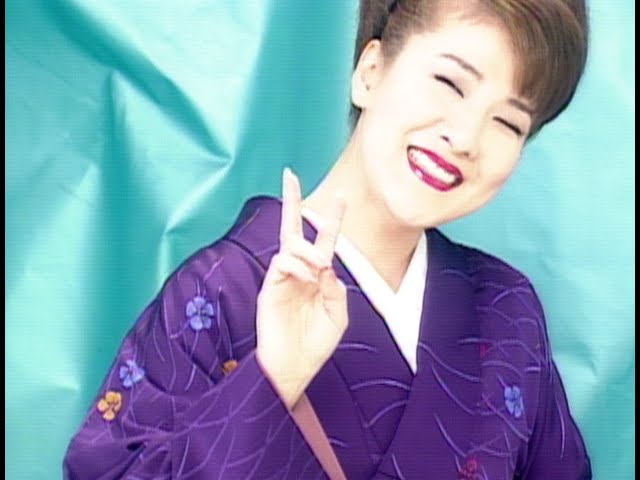
Have you heard of the delicate white flowers that bloom in clusters after enduring a harsh winter? This masterpiece, one of Miyuki Kawanaka’s signature songs, overlays their image with the bond of a married couple.
Released as a single in 1998, it later became a massive hit, selling over one million copies.
The story of a monument to the song being erected in a park in Itabashi Ward, Tokyo, also speaks to how deeply loved it is by so many people.
The warm lyrics addressing “you” evoke the very scene of a couple who have spent many years together.
Just humming it brings a gentle feeling, and it’s best enjoyed while listening slowly in the spring sunshine.
How about spending a peaceful moment recalling the days you spent with someone dear?
Tokyo RhapsodyFujiyama Ichirō

A classic song representing 1936 (Showa 11) was born in a work set in Ginza, Kanda, Asakusa, and Shinjuku, portrayed in a pure and light foxtrot style.
Ichiro Fujiyama’s beautiful voice elegantly sings of urban scenes and a love story.
This piece, which vividly brings to mind the bustling districts of Tokyo at the time, became a massive hit, selling 350,000 copies.
It was Fujiyama’s first release after moving to Teichiku, and a film of the same title was later produced, cementing its status as a beloved song that symbolizes the Showa era.
It’s a perfect track for a calm moment or when reminiscing about the past.
Enjoy a heartwarming time discussing what Tokyo was like back then together with older listeners.
Recommended for people in their 70s: Beloved nostalgic hits. A collection of youth songs (21–30)
When I turn around, the Sea of JapanItsuki Hiroshi

A gem of a song that portrays a person who, despite inner confusion and loneliness, still strives to face forward, set against the desolate winter scenery of the Sea of Japan.
Released in March 2005, this work features lyrics by Hiroshi Itsuki and novelist Hiroyuki Itsuki, from whom the singer’s stage name is derived.
Hiroshi Itsuki’s emotionally rich vocals harmonize beautifully with sentiments of longing for one’s hometown and the resolve not to forget past love, earning the song 14th place on the Oricon Weekly Singles Chart.
It was also performed at the 56th NHK Kōhaku Uta Gassen, and the album “Hiroyuki Itsuki & Hiroshi Itsuki Song Collection ~If You Look Back, the Sea of Japan~” was released.
It is a song that offers comfort to those living away from their hometowns, inviting listeners to reflect on the places of their memories.