

[Recommended for people in their 70s] Classic nostalgic hits: A collection of youth songs

If you’re in your 70s, there’s a good chance you have a deep attachment to songs from the 1960s and 70s.
The music you listened to in your youth stays in your heart, and once you hear it, you can’t help but hum along.
In this article, we’ll introduce a wide selection of youth songs we’d love people in their 70s to hear.
We’ve chosen a variety of tracks, mainly from the 60s and 70s, so take your time listening as you look back on memories from those days.
- [Recommended for people in their 70s] Songs that really move you. Beloved classic Japanese hits of the past.
- [Recommended for people in their 70s] Songs that get everyone excited. Songs you’ll want to sing at karaoke.
- Recommended Cheer-Up Songs for People in Their 70s: A Collection of Uplifting Tunes
- Tear-jerking songs for women in their 70s: from Showa-era classics to Heisei hits
- Recommended youth songs for people in their 80s: A collection of nostalgic classics
- Nostalgic Days of Youth: A Collection of Western Music Recommended for Men in Their 70s [2026]
- Recommended love songs for women in their 70s: A collection of nostalgic love songs
- [Nostalgic Songs] A collection of tear-jerking Japanese tracks recommended for men in their 70s
- Energizing songs recommended for men in their 70s: A roundup of nostalgic power tracks
- [For women in their 70s] A collection of songs that are easy to sing even for people who are tone-deaf
- Recommended love songs for men in their 70s: A collection of nostalgic love songs
- [2026] Recommended karaoke songs for women in their 70s: from enka to Showa-era pop
- Recommended love songs for people in their 80s: A collection of classic love songs that colored the Showa era
Recommended for those in their 70s: A collection of nostalgic classics. Youth songs (41–50)
The Camellia Sasanqua InnŌkawa Eisaku

Allow me to introduce a masterpiece of enka that portrays a bittersweet love kept secret in the heart.
EISAKU OKAWA’s single, released in August 1982, is a moving work that overlays his feelings onto the camellia blooming in winter.
The lyrics by Osamu Yoshioka and the melody by Shosuke Ichikawa blend beautifully, delicately expressing the emotions of a man swayed by an unattainable love.
Four months after its release, the song entered the Oricon Top 10 for the first time and became one of Okawa’s signature pieces.
It sold a total of 1.8 million copies and won the Long Seller Award at the 25th Japan Record Awards in 1983, also marking his first appearance on NHK’s Kōhaku Uta Gassen.
Its evocative imagery that overlaps with Japan’s beautiful winter scenery, and a voice that holds both ache and warmth, make it a perfect choice for karaoke duets or for humming along while sharing fond memories.
bridehashida norihiko to kuraimakkusu

Released in 1971, this work tells the story of a bride who boards a night train to begin a new life.
It sings of her union with the one she loves and the resolve that comes with it.
Carried by Norihiko Hashida’s rich vocals, the bride’s wedding dress packed into a small bag and a bouquet of wild chrysanthemums are portrayed symbolically, stirring both hope and apprehension for the life ahead.
Released on January 10, 1971, it created a major sensation, including an appearance at the 22nd NHK Kōhaku Uta Gassen that same year.
North TavernHosokawa Takashi
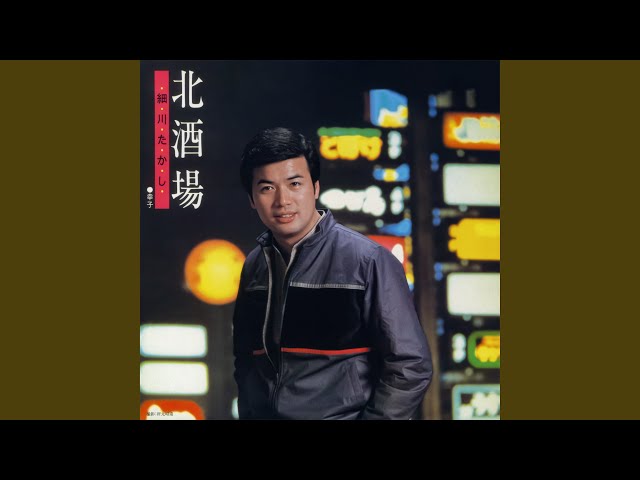
This is a song released by Takashi Hosokawa in 1982 that sings of a chance encounter at a bar and a bittersweet crush.
Its light, carefree melody transcends the enka genre, and the lyrics—about a romance that begins when someone offers a light for a cigarette, and about becoming kinder with each broken heart—leave a strong impression.
It won numerous awards, including the 24th Japan Record Award and the Grand Prix at the 15th All Japan Cable Broadcasting Awards, and became a major hit with around 770,000 copies sold.
Gaining popularity after consecutive performances on television, the song captivates with a worldview that weaves together northern landscapes and adult romance.
Why not listen to it while sharing memories of drinks and love?
Farewell, my loverSakai Masaaki

Masakazu Sakai’s “Saraba Koibito” (Farewell, My Love) was released in 1971 and drew attention as his solo debut single.
Arranged by Kyohei Tsutsumi with lyrics by Osamu Kitayama, the song portrays the sorrow and resolve of parting.
The lyrics delicately express the inner conflict and loneliness of choosing to say goodbye, and Sakai’s expressive delivery evokes deep empathy and emotion in listeners.
In particular, the line about not realizing one’s own happiness resonates as a snapshot of many people’s lives, earning profound sympathy.
It’s a masterpiece that captures the subtleties of human relationships, not only for those who spent their youth in the ’60s and ’70s, but for listeners of other generations as well.
With Sakai’s captivating vocals, it’s a song that will linger in your heart after just one listen—highly recommended.
Forever with youKayama Yūzō

Yuzo Kayama is known as a multi-talented entertainer and has left a significant mark on the music scene since the 1960s.
His signature song, “Kimi to Itsumademo” (Forever With You), is beloved by many for its memorable lyrics that portray deep love and bittersweet longing.
This piece encapsulates Kayama’s versatile artistry, evoking the sweetness of youth and unforgettable romances.
For older listeners in particular, it can stir special feelings as it brings back memories of their younger days.
It gently stirs emotions that everyone holds in their hearts and may offer not only a sense of nostalgia but new discoveries as well.
blue eyesJakkī Yoshikawa to Burū Komettsu

A masterpiece where a wistful melody merges with a stirring band sound.
First released during the dawn of the Group Sounds era—its English version in March 1966 and Japanese version in July—the song portrays a bittersweet romance with a woman encountered at the end of a journey through northern landscapes.
Following the English version’s sales of over 100,000 copies, the Japanese version became a massive hit, surpassing 500,000.
It earned Jackie Yoshikawa and the Blue Comets a spot in the 17th NHK Kōhaku Uta Gassen and helped ignite the GS boom.
With its polished performance and harmonies, this sonic world is a perfect pick for anyone wishing to bask in memories of first love and youth.
My first loveOgawa Tomoko

While its breeze-like freshness soothes, there’s a tinge of melancholy in the melody that seems to bring back memories of distant summer days, doesn’t it? This work by Tomoko Ogawa is a classic that paints the bittersweet memory of first love and the fragile feelings for someone you can no longer meet.
Released as a single in January 1969, it became legendary after her tearful performance on the TV program “Yoru no Hit Studio” in February of the same year.
The way her crystal-clear voice intertwines with the story behind the song deepens the poignant world of the lyrics in an irresistible way.
It’s the perfect song for a moment of reminiscing about the sparkling days of youth, isn’t it?