

Nostalgic yet new! Hit songs from the Showa era you’ll want to use as BGM

In recent years, Japanese city pop has been rediscovered worldwide, and revival hits have been emerging on social media like TikTok.
Classic songs that colored the Showa era are resonating with younger generations.
For those who lived through that era, songs that feel nostalgic might, conversely, feel fresh to listeners today.
This time, we’re introducing recommended tracks from the Showa period that are perfect as background music!
We’ve curated a list that people of all ages can enjoy, so be sure to check it out!
- Nothing but masterpieces! Hit songs from the Reiwa era that are perfect for background music
- Resonates across generations! Hit songs that colored the Heisei era, perfect as BGM
- Timeless classics only! Showa-era hit songs perfect for acoustic sing-alongs
- [Classic Showa Kayō Hits] The captivating Showa-era pop songs beloved even by younger generations
- So nostalgic it feels new? Showa retro classics that colored Japan’s period of rapid economic growth
- A classic from the good old days! A famous birthday song born in the Showa era.
- Hits that resonate across generations! Popular 1990s songs on TikTok
- A Showa-era song that had a revival hit on YouTube Shorts
- Evokes the charm of the good old days. Showa-era inspirational songs that are still loved today.
- Showa-era songs that went viral on TikTok / revival hit songs
- Popular Showa-era songs you can use in Instagram Stories
- Including global hits! 80s songs popular on TikTok
- Relive those feelings from back in the day! Youth anthems recommended for the Yutori generation
Nostalgic yet new! Hit songs born in the Showa era that we want you to use as BGM (1–10)
Like the flow of a riverMisora Hibari

Known as one of Hibari Misora’s signature songs representing the Showa-era pop scene, this piece is an impressive number featuring beautiful lyrics that liken life to the flow of a river.
The words penned by Yasushi Akimoto convey a powerful sense of overcoming life’s hardships and challenges.
Released in January 1989, the song became Misora’s final work and a massive hit, selling over 1.5 million copies.
It’s a track that gives you courage when you’re at a crossroads in life or when your heart feels weary.
Carried by gentle instrumentation, Misora’s vocals feel as if they’re softly nudging you forward, resonating deeply within the heart.
Sailor Suit and Machine GunYakushimaru Hiroko

Hiromi Yakushimaru emerged during the fierce idol era of the 1980s with a pure, innocent image.
Her debut single was used as the theme song for a film of the same name and became a major hit, selling about 1.2 million copies on the Oricon chart.
Centered on the theme of a girl’s growth and transformation, it’s also known as an anthem that celebrates the hidden strength of youth and the determination to set out on one’s journey.
Released in November 1981, it ranked second on the year-end chart in 1982.
The song is distinguished by Yakushimaru’s clear, translucent vocals and its simple arrangement.
It’s a timeless classic loved across generations, making it a great choice when you want to liven things up at karaoke.
A Member of the Fire BrigadeRATS&STAR

Released in April 1983, Rats & Star’s song depicts a beach thrown into a frenzy when a captivating woman appears against a backdrop of summer scenes.
With its light, upbeat rhythm and distinctive choreography, the track has remained beloved for many years since its release.
Chosen as a Shiseido campaign song, it topped the Oricon Singles Chart and sold over 600,000 copies.
It also won the Gold Award at the 25th Japan Record Awards.
The fact that many artists, including Kumi Koda, have covered it shows how it’s cherished across generations.
It’s a quintessential Showa-era classic that’s guaranteed to liven up any karaoke session.
Nostalgic yet new! Hit songs born in the Showa era that we want you to use as BGM (11–20)
Get WildTM NETWORK
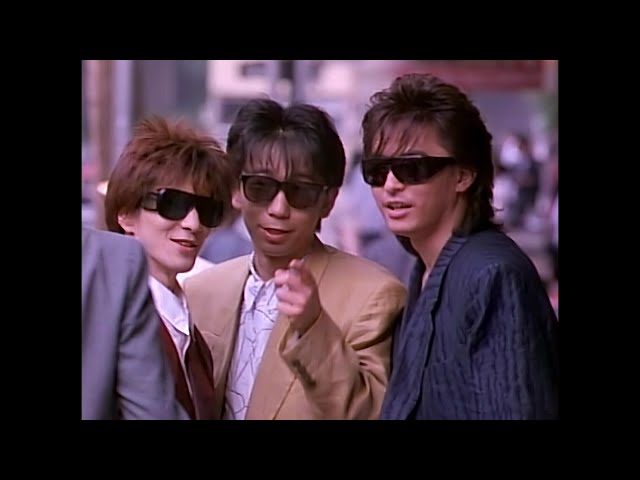
Released in 1987 and also known as the ending theme of the anime City Hunter, this song has remained a beloved TM NETWORK classic across generations.
Its lyrics suggest adventure, thrills, and challenges into the unknown, resonating deeply with listeners.
In August 1999, it was reissued on a 12 cm CD, demonstrating how the track continues to evolve beyond its time.
My Dear EllieSazan Ōrusutāzu

This is the Southern All Stars’ third single, released in March 1979.
Chosen as the theme song for TBS’s Friday drama “Fuzoroi no Ringo-tachi,” it reached No.
2 on the Oricon charts and became a massive hit, ranking 11th on the year-end chart for 1979.
Marking a departure from their previously cheerful image, this emotional ballad that portrays a bittersweet romance served as a turning point, showcasing the band’s talent and musical breadth to the public.
Keisuke Kuwata’s distinctive vocals and the lyrics that deftly express complex feelings toward a lover resonate deeply.
Beloved across generations, this classic is sure to get everyone going when sung at karaoke.
A Good Day to Set Out on a JourneyYamaguchi Momoe

A classic Showa-era pop masterpiece born as a campaign song for Japan National Railways.
With a gemlike melody crafted by Shinji Tanimura layered with Momoe Yamaguchi’s clear, soaring vocals, it captured hearts across Japan.
Released in November 1978, the song has remained beloved ever since, and in 2006 it was also used as the theme song for the film “Tabi no Okurimono 0:00 Hatsu” (A Gift of Travel: Departing at Midnight).
It’s a track you’ll want to hear at life’s turning points—departures, farewells, and fresh beginnings.
A song with universal appeal that resonates with listeners across generations.
TouchIwasaki Yoshimi

A signature song by Yoshimi Iwasaki that depicts the bittersweet feelings of youthful love.
Known as the theme song for the 1985 anime Touch, it features striking lyrics by Jinsei Kan and a melody by Hiroaki Serizawa that resonates deeply.
Yoshimi Iwasaki’s clear, translucent vocals beautifully convey both the pain of heartbreak and the hope for new love.