

Popular Showa-era pop. Timeless hit songs.

Even when we say “the Showa era” in a single breath, it actually spanned more than 60 years—a long stretch during which, just off the top of my head, countless classics were born: folk songs of the ’70s, Group Sounds, the New Music of the ’80s, and of course kayōkyoku (Japanese pop) as well.
In this feature, we’ll be introducing plenty of those nostalgic Showa pop songs!
For those who experienced the Showa era in real time, we hope this brings back memories from those days.
And for those born in or after the Heisei era, we’ve tried to curate a selection broad enough to let you savor the flavor of Showa.
The genres are admittedly all over the map, but that, too, was part of the charm of the Showa music scene, I believe.
Please enjoy this collection of captivating Showa-era classics!
- A collection of nostalgic hit songs and classics from the 70s
- [Classic Showa Kayō Hits] The captivating Showa-era pop songs beloved even by younger generations
- Classic and hit Japanese pop songs from the nostalgic 80s
- [Revisited] A roundup of popular and classic Showa-era songs that are trending now [2026]
- Popular 80s hits for karaoke. Sing kayōkyoku and pop songs!
- Just listening to it purifies the heart... A healing song born in the Showa era.
- Heart-touching, tear-jerking masterpieces from the Showa era
- A collection of iconic, cool Showa-era kayōkyoku classics sung by male vocalists
- Nostalgic yet fresh!? Classic masterpieces of Japanese rock from the 1970s and 1980s
- Showa-era nostalgic songs: Popular ranking
- Memorable Youth Songs: Looking Back on New Music Masterpieces from the 1970s–80s
- Thrilling to Cool Showa-Era Tunes! Classic Songs from Female Singers and Artists of the Showa Period
- [Nostalgic Hits] Smash Hits with the Showa Generation! Classic and Popular Songs Sung by Female Vocalists
Popular Showa-era pop songs: Timeless hits (11–20)
TechnopolisYellow Magic Orchestra

It was Yellow Magic Orchestra’s (YMO) first single, released in October 1979.
I remember how striking the heavy use of synthesizers and the vocoder-treated vocals were when it came out.
I first heard the song on FM radio one morning when I was in junior high, was instantly captivated, and ran straight to the record store after school that day.
I imagine many people now in their late 40s and older as of 2022 have similar memories.
I believe it’s a Showa-era classic that introduced the existence and sound of the synthesizer to the general public!

girl dollItō Tsukasa

This is the debut single of Tsukasa Ito, who became a popular star after appearing in the second season of “Mr.
Kinpachi in Class 3-B.” When this song was released in 1981, she was still a 14-year-old middle school student! Her innocent singing voice and the slightly fairy-tale-like lyrics match perfectly, don’t they? Everyone has probably experienced wanting to confess to someone they like but not having the courage.
“Maybe if I ride the wind and play with little birds, I’ll feel courage welling up!” Being able to think of the person you like while indulging in such a sweet daydream might be something unique to a young girl.

Examinee BluesTakaishi Tomoya

This is a single released in 1968 by folk singer Tomoya Takaishi.
Back then, fierce competition surrounded the university entrance exams.
In the Showa era, it was often said that a man’s absolute prerequisites for being chosen were a high level of education and a high income.
At a time when getting into a good university and landing a lifetime position at a good company were seen as the surest path to happiness, the song captures the feelings of young people enduring a painful and empty life as test-takers: rushing off to school in the morning without even eating breakfast, having no time for love, and ending each day with late-night radio lectures.
The way the song ends by foreshadowing a future spent at a cram school is especially poignant.
younger boykyandīzu

This is the fifth single by the three-member female idol group Candies, who were active in the 1970s.
It was the group’s first hit song, selling a total of 500,000 copies by 1978, when they announced their breakup with the line, “We want to go back to being ordinary girls.” In 1975, they made their first appearance on the Kouhaku Uta Gassen as part of the Red Team with this song.
The lyrics depict the romantic feelings of a mature woman who swoons over a slightly unreliable younger guy—she notices a loose button on his clothes and the way his pocket bulges from a handkerchief he’s stuffed in there.
If you’ve ever dated someone younger, you might find yourself nodding along, thinking, “That kind of playful side is so cute,” right?
Inspector Pepperpinku redii

This was the debut single of Pink Lady, a hugely popular idol duo of the Showa era, released in August 1976.
With their later hit songs, their outfits and choreography became a hot topic every time they released something new—but those signature traits were already on full display in this debut track! They delivered wonderfully stylish choreography and vocals.
Back then, girls in elementary and junior high school were all crazy about Pink Lady, singing and dancing to their songs for fun.
If you remember those days, you might find it fun to try singing and dancing to this track again after a long time.
Listening to it now, it’s also amazing to realize just how strong their vocal abilities were!
RomanceIwasaki Hiromi
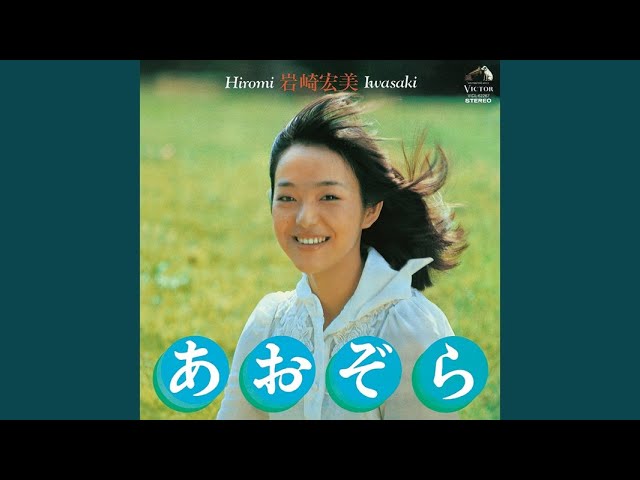
Hiromi Iwasaki’s classic song “Romance.” It was a hit that followed “Cinderella Honeymoon.” While a cute vibe was the mainstream for idols at the time, the arrival of Hiromi Iwasaki drew attention to idols who sang with a sultry style.
This song especially showcases Iwasaki’s sensual expressiveness, and the lyrics are crafted to be passionate.
The contrast between her pure appearance and such bold vocals feels like a kind of culture we don’t really see today, doesn’t it?

Popular Showa-era pop songs. Timeless hits (21–30)
Journey of the Heartchūrippu

It’s a masterpiece that blends nostalgia with freshness.
Released in July 1973 as Tulip’s third single, it reached No.
1 on the Oricon chart five months after release and became a major hit, selling about 870,000 copies.
Its innovative structure—starting directly with the chorus—and the sweet vocals of guitarist Tatsuya Himeno leave a strong impression.
The lyrics, depicting love, parting, and hope for the future, beautifully capture the feelings of young people chasing their dreams.
It’s beloved as a staple encore number at live shows, where the sense of unity with the audience is part of its charm.
It has been widely covered and used on TV programs and in commercials.
For those who have experienced parting with someone dear or setting off on a new journey, this may be a song that resonates especially deeply.