

So nostalgic it feels new? Showa retro classics that colored Japan’s period of rapid economic growth

Are you familiar with the term “Showa retro”? It refers to the renewed appreciation of movies, music, architecture, fashion, sundries, and design from the Showa era—especially the period of rapid economic growth from the mid-1950s to the late 1970s.
The unique atmosphere of that time may feel fresh to younger generations.
With that in mind, we’ve put together a list of classic Showa retro songs.
In recent years, there’s also been a trend of Japanese city pop being rediscovered overseas, so be sure to check it out!
- Songs from the Heisei retro era that will get any generation excited! Timeless tracks you’ll want to listen to now.
- Evokes the charm of the good old days. Showa-era inspirational songs that are still loved today.
- [Classic Showa Kayō Hits] The captivating Showa-era pop songs beloved even by younger generations
- Hit songs in Japan in the late 1960s
- Popular Showa-era pop. Timeless hit songs.
- [Revisited] A roundup of popular and classic Showa-era songs that are trending now [2026]
- Cool songs from the Showa era. Masterpieces from Showa that shine with sensuality, passion, and rugged charm.
- The nostalgic atmosphere tugs at your heartstrings. Tear-jerker songs from the Showa era.
- [Showa-Era Graduation Songs] Nostalgic? Emotive? A curated selection of timeless classics loved across generations
- Now’s the time to listen! Uplifting Showa-era songs that brightened Japan
- Showa-era songs that went viral on TikTok / revival hit songs
- Showa-era love songs: A roundup of timeless love songs cherished across generations
- A roundup of classic Showa-era kayō songs: a comprehensive introduction to timeless tracks loved across generations.
Too nostalgic to be new? Showa-retro masterpieces that colored Japan’s high-growth era (1–10)
Red Sweet PeaMatsuda Seiko

Known as a song imbued with the fragrance of the Showa era, this signature track by singer-songwriter Seiko Matsuda—an idol legend who sparked a social phenomenon—was released as a single in January 1982, with lyrics by Takashi Matsumoto and music by Yumi Matsutoya.
Its lyrics, depicting the arrival of spring and the bittersweet stirrings of first love, brim with charm that evokes a nostalgic landscape.
Featured in high school music textbooks, the song has been performed frequently on Seiko Matsuda’s concert tours and television appearances.
It’s a classic of Showa-era retro, perfect for listening to on a refreshing spring day.
Give Up on SummerNaoko Ken
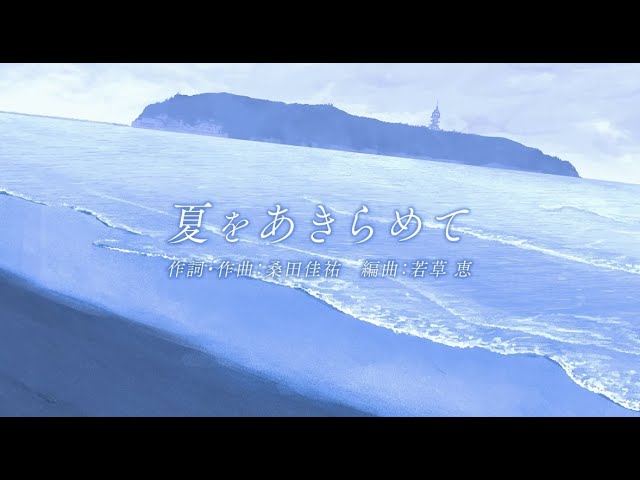
A song that poignantly portrays the end of youth has been given new life by Naoko Ken’s vocals.
Set against the Shonan seaside, this track vividly captures the melancholy of summer’s end.
Released in September 1982, it became a major hit, reaching No.
5 on the weekly Oricon chart.
It earned high acclaim, including the Gold Prize at the 24th Japan Record Awards.
Written and composed by Keisuke Kuwata of Southern All Stars, the piece is elevated by Ken’s uniquely ennui-tinged voice, beautifully expressing the bittersweet feelings of summer’s close.
It’s a perfect song for reminiscing about summer memories with a lover or savoring the fleeting emotions of the changing seasons.
Love is overŌyō Fifi

This song portrays the feelings of a woman saying goodbye, expressing sorrow, the pain of parting, and deep affection for her partner.
Originally released in 1979 as a B-side, it did not achieve notable success at first, but word of mouth spread, and it was re-released as an A-side in July 1980.
Since then, it has been covered by many artists and has continued to be cherished as one of Faye Ouyang’s signature songs.
It is a moving classic that we hope will resonate with those who have experienced a breakup or who carry deep feelings for someone important.
So nostalgic it feels new? Showa-era retro masterpieces that colored Japan’s period of rapid economic growth (11–20)
The Day the Seagulls FlewWatanabe Machiko

A timeless gem with the scent of the Showa era brings a fresh breeze to the present.
Known as one of Machiko Watanabe’s signature songs, it was released in April 1978 and became a major hit, also winning the Best New Artist Award at the 20th Japan Record Awards.
Set against the backdrop of the sea and a harbor, its lyrics portray lingering feelings and nostalgia for a former lover—universal themes that resonate with many.
Loved across generations, the song was even used at Chiba Lotte Marines games in 2007.
It’s a perfect track for when you want to feel the bittersweetness of love or spend a quiet moment gazing at the sea.
Sake, Tears, Men, and WomenKawashima Eigo

A signature song by Eigo Kawashima that entrusts the melancholy of life to sake and tears.
Its lyrics, portraying both the strength and weakness of men, resonate deeply with listeners.
Released as a single in June 1976, it was featured in a commercial for Kizakura Brewery.
An anecdote says Kawashima wrote and composed it at age 18, inspired by the figure of his uncle, a story that speaks to the song’s profound depth.
The simple, emotive melody, influenced by folk music, conveys the nostalgic atmosphere of the Showa era to this day.
It’s a moving piece that offers solace to those who have experienced heartbreak or setbacks in life.
Shadows of Youthchūrippu

This is a song by Tulip that portrays the end of youth and the beginning of a new life.
Its lyrics lyrically depict deepening bonds with a loved one and growing together, moving listeners deeply.
Released in June 1974 as their sixth single, it marked an important turning point in the band’s career.
Issued as a ballad to shift away from an idol-oriented path toward the music they originally aimed for, it features Kazuo Zaitsu on vocals.
Widely used in TV dramas and commercials, the song had a broad impact.
The lyrics, which convey the feelings of a man who has decided to marry, evoke the bittersweet memories of youth and the anticipation of a new stage in life, delivering a message that resonates with many listeners.
SPARKLEYamashita Tatsuro
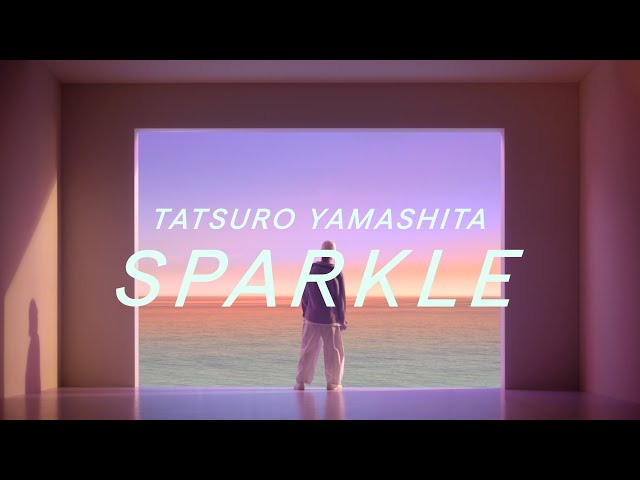
A signature work by Tatsuro Yamashita that still enjoys enduring popularity as a classic coloring the Showa-era music scene.
Its beautiful melody and heartfelt lyrics wonderfully capture the feelings of someone endlessly seeking an unattainable love.
Included on the album FOR YOU and released in 1982, the song has retained its timeless charm for over 40 years, with a remastered music video released in April 2023.
Celebrated as a quintessential city pop track, it was ranked No.
1 in a magazine feature listing the Top 100 city pop masterpieces of the 1980s in 2020.
With a unique allure that blends nostalgia and freshness, this song is perfect for a sunset drive or making memories with someone special.