


Hit songs in Japan in the late 1960s

When we think of Japan in the late 1960s, we picture an extremely vibrant era: the country had entered the period of rapid economic growth later dubbed the “Izanagi Boom,” and Expo ’70 was held in Osaka.
Musically, it was also a time when waves like the electric guitar craze, the Group Sounds boom, and the folk song boom produced numerous works that left a lasting imprint on listeners and powerfully influenced Japan’s music scene for years to come.
In this special feature, we present famous songs from Japan’s late-Showa 40s era (the 1965–1974 period).
We’ve tried to select as wide a range as possible so that both those who experienced the time in real time and those of later generations can enjoy it.
We hope you enjoy it.
Hit songs in Japan from the 1960s (1–10)
Black Cat TangoMinagawa Osamu

A classic children’s song released in the late 1960s! With lyrics that liken a black cat to a sweetheart, it captured the hearts of listeners across generations, from children to adults.
It charmingly depicts a cat strolling through the night and its whimsical personality.
Recorded by Osamu Minagawa at the age of six, the song became a massive hit, selling over 2.6 million copies.
Its sweet vocals and friendly melody warm the hearts of everyone who listens.
Mona Lisa’s SmileZa Taigāsu

This was the third single by the Japanese Group Sounds band The Tigers, released in August 1967 (Showa 42).
At the time of the song’s release, today’s Oricon chart didn’t yet exist, but it reportedly reached No.
1 in the magazine Young Music (published by Shueisha).
Julie (Kenji Sawada)’s beautifully resonant, wistfully moving vocals over the gorgeous, bittersweet melody are truly striking.
Compared with modern songs, music from that era is notably short in length; this track also runs just under three minutes, yet it still presents a clear beginning, development, twist, and conclusion, and vividly conveys the song’s world and imagery.
Another classic from the Showa era! Please enjoy!

A café in a student districtGaro
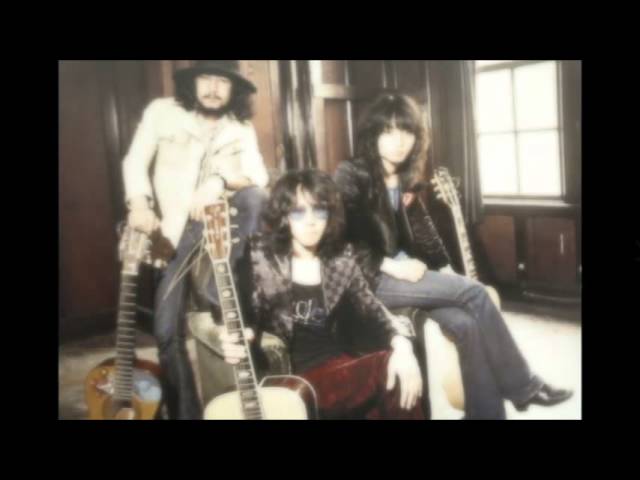
This was the third single by the Japanese folk group Garo, released in June 1972 (Showa 47).
It became a massive hit, topping the Oricon chart for seven consecutive weeks in 1973 (Showa 48), but the surprising fact is that at the time of its release it was actually treated as the B-side.
I have very fond memories of singing this song at my middle school choral competition, and I imagine many of you may have had similar experiences.
It’s another classic from the Showa era—simple, easy to remember, and easy to sing!
Season of LovePinkī to Kirāzu

It was Pinky & the Killers’ debut single, released in July 1968.
It’s a classic where a simple yet striking melody dances over a bossa nova-style rhythm! At the time, there weren’t many kayōkyoku (Japanese pop) songs that incorporated Latin-influenced rhythms, so I imagine it must have felt very fresh to those who heard it in real time.
The vocal performance and expressive delivery by Yoko Minami, who handles the lead vocals, are also outstanding.
Personally, what I’m most curious about is the origin of the band name “Killers,” which for a moment makes you think, “Are they a heavy metal band?!” (lol)
Blue ChateauJakkī Yoshikawa to Burū Komettsu

This was the eighth single by Jackie Yoshikawa and The Blue Comets, first released in March 1967 (Showa 42).
It won the Japan Record Award that same year, sold over 1.5 million copies, and became the group’s biggest hit.
Simply listening to it conjures an image of a blue ancient castle illuminated by moonlight in a quiet forest at night; in a sense, the song exudes a mysterious charm, making its massive success at the time entirely understandable.
The members’ choral work, used extensively in various parts of the track, is also superb, and I believe the arrangement and sound remain completely unfaded even now (in 2022), more than half a century after its release.
Moreover, beyond being just a band arrangement, the track excels in its arrangement and sound design through the effective use of orchestral instruments such as strings and horns.
Isn’t it fine as long as you’re happy?Sara Naomi

One of the most iconic songs representing Japan in the late 1960s is this smash hit by Naomi Sagara.
Its lyrics, which celebrate a free way of life unbound by the social norms of the time, resonated with many listeners.
Released in July 1969, the song won the Grand Prize at the 11th Japan Record Awards that same year—a first for a female singer.
It has been covered by a variety of artists, including Nana Kinomi and Keisuke Kuwata, and continues to be loved across generations.
It’s a recommended track for anyone who wants to value their individuality or pursue happiness without worrying about others’ opinions.
Why not reflect on your own happiness while being enveloped by Naomi Sagara’s gentle vocals?
lieNakaijō Kiyoshi

It’s a classic song that portrays the ache of unrequited love.
Even as she realizes her lover is lying, the woman finds herself drawn to his kindness, and the song captures her inner struggle.
Released in January 1974 as Kiyoshi Nakajo’s re-debut single, it became a massive hit, selling over 1.5 million copies.
It won the Popularity Award at the 16th Japan Record Awards and led to his first appearance on NHK’s Kōhaku Uta Gassen that same year.
The song drew renewed attention when it was featured in the 2007 drama “Tokyo Tower: Mom and Me, and Sometimes Dad,” as a tune the mother often sings.
Highly recommended not only for those wrestling with love but also for anyone who wants to feel the subtleties of human relationships.
Why not savor both the joys and the bittersweetness of love, carried by its unforgettable melody?