

Hit songs in Japan in the late 1960s

When we think of Japan in the late 1960s, we picture an extremely vibrant era: the country had entered the period of rapid economic growth later dubbed the “Izanagi Boom,” and Expo ’70 was held in Osaka.
Musically, it was also a time when waves like the electric guitar craze, the Group Sounds boom, and the folk song boom produced numerous works that left a lasting imprint on listeners and powerfully influenced Japan’s music scene for years to come.
In this special feature, we present famous songs from Japan’s late-Showa 40s era (the 1965–1974 period).
We’ve tried to select as wide a range as possible so that both those who experienced the time in real time and those of later generations can enjoy it.
We hope you enjoy it.
- Showa-era nostalgic songs: Popular ranking
- Heart-touching, tear-jerking masterpieces from the Showa era
- Classic and hit kayōkyoku songs from the nostalgic 1960s
- A Collection of Hit Japanese Songs from the Late 1970s to 1980s
- Nostalgic Japanese hit songs from the 1960s. A collection of popular Showa-era classic melodies.
- Classic and hit Japanese pop songs from the nostalgic 1960s
- [Classic Showa Kayō Hits] The captivating Showa-era pop songs beloved even by younger generations
- Classic and hit songs by nostalgic Japanese idols from the 1970s
- So nostalgic it feels new? Showa retro classics that colored Japan’s period of rapid economic growth
- Popular Showa-era pop. Timeless hit songs.
- Just listening to it purifies the heart... A healing song born in the Showa era.
- Showa-era kayōkyoku: hit songs by male singers, classic masterpieces of Japanese popular music.
- Cool songs from the Showa era. Masterpieces from Showa that shine with sensuality, passion, and rugged charm.
Hit songs in Japan from the Showa 40s (31–40)
Please, God!Za Tenputāzu

A youthful prayer, staking sweet feelings on God, resounds alongside a heartfelt longing for love.
The Tempters’ passionate message is vividly colored by Kenichi Hagiwara’s husky voice and the band’s unified performance.
Released in March 1968, the song reached No.
2 on the Oricon chart and was also used in a Kanebo cosmetics commercial.
Its sound, infused with blues and R&B elements, continues to shine as a symbol of the golden age of Group Sounds.
This classic, which gently embraces the hearts of youth troubled by love, is perfect for moments when you want to be honest with your pure feelings or reaffirm your thoughts for someone special.
My Blue BirdSakurada Junko
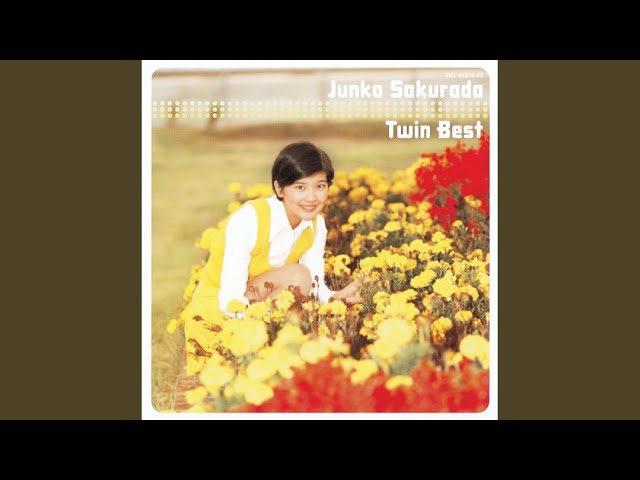
This was Junko Sakurada’s third single, released in August 1973 (Showa 48).
With this song, Sakurada won the two major titles of the time—the Best New Artist Award at the 15th Japan Record Awards and the Broadcast Music New Artist Award at the 4th Japan Kayō Awards—as well as sweeping the new artist prizes at various music awards that year! It truly stands as a monument of Showa-era idol pop.
The lyrics, which seem to imitate the chirping of a bluebird, are also striking.
Sakurada was still in her teens when this song came out, but having this level of vocal ability at that age is pretty remarkable, isn’t it? It’s a track that really showcases the high caliber of Showa-era idol singers.

teacherMori Masako

This was Masako Mori’s debut single, released in July 1972 (Showa 47).
While on the Oricon hit chart, it sold 514,000 copies, and it is said to be her biggest hit.
At the time, Masako Mori was often grouped with Momoe Yamaguchi and Junko Sakurada as the “Hana no Chūsān Trio,” but I’m a bit surprised at how superbly she performs this heartrending melody, incorporating many enka-like elements.
Truly a classic of the Showa era!
In conclusion
So, how did you like the selection of classic and hit songs from the late 1960s we’ve introduced so far? As I mentioned at the beginning of the article, this era produced numerous masterpieces and hits that remain in the history of Japanese music, and many of those classics have since been covered by later artists. The term “J-POP” didn’t even exist yet—in a sense, it was the dawn of Japan’s commercial music scene. Perhaps precisely because it was such a chaotic time, I feel that even more “timeless masterpieces” were born. There are still many songs we haven’t had the chance to feature, but we’ll continue to expand and refine our selection, so please stay tuned.