

Hit songs in Japan in the late 1960s

When we think of Japan in the late 1960s, we picture an extremely vibrant era: the country had entered the period of rapid economic growth later dubbed the “Izanagi Boom,” and Expo ’70 was held in Osaka.
Musically, it was also a time when waves like the electric guitar craze, the Group Sounds boom, and the folk song boom produced numerous works that left a lasting imprint on listeners and powerfully influenced Japan’s music scene for years to come.
In this special feature, we present famous songs from Japan’s late-Showa 40s era (the 1965–1974 period).
We’ve tried to select as wide a range as possible so that both those who experienced the time in real time and those of later generations can enjoy it.
We hope you enjoy it.
- Showa-era nostalgic songs: Popular ranking
- Heart-touching, tear-jerking masterpieces from the Showa era
- Classic and hit kayōkyoku songs from the nostalgic 1960s
- A Collection of Hit Japanese Songs from the Late 1970s to 1980s
- Nostalgic Japanese hit songs from the 1960s. A collection of popular Showa-era classic melodies.
- Classic and hit Japanese pop songs from the nostalgic 1960s
- [Classic Showa Kayō Hits] The captivating Showa-era pop songs beloved even by younger generations
- Classic and hit songs by nostalgic Japanese idols from the 1970s
- So nostalgic it feels new? Showa retro classics that colored Japan’s period of rapid economic growth
- Popular Showa-era pop. Timeless hit songs.
- Just listening to it purifies the heart... A healing song born in the Showa era.
- Showa-era kayōkyoku: hit songs by male singers, classic masterpieces of Japanese popular music.
- Cool songs from the Showa era. Masterpieces from Showa that shine with sensuality, passion, and rugged charm.
Hit Songs of Japan in the Late 1960s to Early 1970s (21–30)
Let’s go, Rider Kick!Fujioka Hiroshi

It’s the theme song of the landmark Japanese tokusatsu drama Kamen Rider! Two versions were released: one sung by Hiroshi Fujioka, who starred in the series, and another by Koichi Fuji (later known as Masato Shimon).
It was released in May 1971 (Showa 46).
The Kamen Rider series went on to become a long-running franchise that continues to this day, and I believe this theme song played a very significant role in the show’s success.
Over the years, many artists have released various arrangements of the song, so if you’re interested, please look them up and give them a listen! For the record, my favorite is the hard arrangement by RIDER CHIPS (lol).

Song of Ultra SevenMisuzu Jidō Gasshōdan, Ji Ekōzu
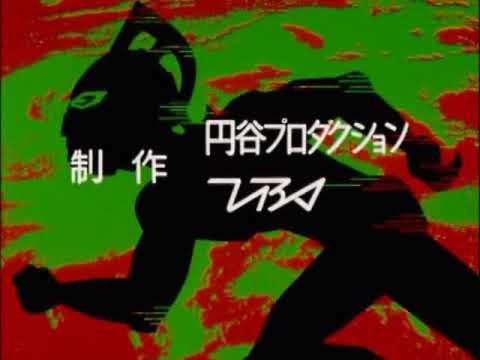
This is the theme song from Ultra Seven, the second installment in the Ultraman series—one of Japan’s tokusatsu dramas so iconic it needs no introduction.
Despite its simple melody, the meticulously crafted orchestral arrangement and choral work brilliantly capture the show’s world and Seven’s heroics, building irresistible anticipation for the story that’s about to unfold.
I think it’s fair to call it a classic.
I’m sure many of you reading this were once glued to the screen watching the show.
I hope you’ll enjoy it on a visceral level, no explanation needed.
Beach of MemoriesZa Wairudowanzu

Released in November 1966, this was the debut single by The Wild Ones, a pioneering presence in Japan’s Group Sounds scene.
With delightful harmonies and string arrangements woven throughout, it conjures vivid images of a summer shore even without focusing on the lyrics—an excellent piece with masterful scene-setting.
It’s no surprise that later cover versions by various artists were produced and also achieved strong sales; a true classic.
soft; gentle; pliantMisora Hibari

This was the 211th(!) single by Japanese singer Hibari Misora, released in November 1964 (Showa 39).
Since Misora debuted in 1949 (Showa 24), it’s astonishing how prolific she was—this came just 15 years after her debut! Incidentally, this is one of her signature songs and won numerous awards, including the 7th Japan Record Award.
The theme of the song is, of course, judo.
Its composition and Misora’s remarkably powerful vocals convey a very heroic atmosphere.
It likely had a significant influence on the naming and world-building of the later popular anime YAWARA!.
A Dangerous Pairsawada kenji

This was Kenji Sawada’s sixth single, released in April 1973 (Showa 48).
It’s said to be the first of his solo songs to reach No.
1 on the Oricon chart.
Incidentally, it also won the Grand Prize at the 15th Japan Record Awards, among several other honors.
Don’t you find that the guitar phrase in the intro—likely using a wah pedal—and Sawada’s peculiarly sultry vocals really stick in your ears? In particular, the sensuality of his high notes in the B-melody section is noteworthy.
The vocal timing toward the end of the singing part is also distinctive and excellent.
The Song of KemekoZa Dātsu

Released on February 1, 1968, this work carries the sweet-and-sour scent of youth.
Born from a ninth grader turning his feelings for a classmate into verse, it sets a refreshing melody to a tale of tender love for a girl gifted in chemistry.
The bright, comical tune overlays lyrics brimming with pure affection for a girl smiling in the laboratory, striking a chord with students of the time.
The Darts’ vocal version reached No.
2 on the Oricon chart and sold a total of 600,000 copies.
It has been featured on Fuji TV’s “Owarai Tag Match” and the anime “Kemeko Deluxe!”, and has been covered by numerous artists.
Embracing the memory of first love that everyone has known, this song continues to resonate with the hearts of eternal boys and girls.
A summer to rememberYamaguchi Momoe

This was Momoe Yamaguchi’s fifth single, released in June 1974 (Showa 49).
It was a hit that won awards such as the Popularity Award at the 16th Japan Record Awards and the Broadcast Music Award at the 5th Japan Kayō Awards.
The title and lyrics may give off a slightly sexual vibe, but they are said to be an expression of “true sincerity.” That said, considering that Momoe Yamaguchi was 15 years old at the time of release, the lyrics are quite provocative, aren’t they (laughs)? Personally, I had the impression that her voice was that of a more composed, mature woman, but listening again now, I find that her voice from this period still retains many very girlish qualities, which feels quite fresh.
There are parts, such as in the lower register of the melody, where the pitch seems a bit unstable, but perhaps that, too, is part of the song’s charm.
Love FugueZa Pīnattsu

This is the 22nd single by The Peanuts, the female duo of Emi Ito and Yumi Ito, released in August 1967 (Showa 42).
Although the song title includes the word “Fugue,” there aren’t actually any fugue-like elements in the melody or arrangement; it was probably meant to evoke the back-and-forth of a romantic chase.
The dramatic intro that opens with the grand sound of timpani and the contrast with the main part of the song feels fresh and fun.
And of course, the duo’s powerful vocals are not overshadowed by those timpani.
What you wantZa Hapuningusu Fo

This single, released in November 1967, carries a classic of the Group Sounds era into the present.
With a distinctive lineup that puts keyboards front and center, its experimental sound fuses a wide range of musical styles—from Baroque to Latin and jazz.
The earnest lyrics, expressing deep feelings for a loved one, resonated strongly with young people at the time.
The Happenings Four set themselves apart from other GS bands with innovative arrangements incorporating elements of classical music.
The jacket design by Tadanori Yokoo is particularly striking.
Highly recommended for those who want to bask in the sweet memories of youth or are interested in the experimental music of the 1960s.
A world without youZa Bībāzu

A masterpiece woven from a psychedelic rock sound and a wistful melody, this is The Beavers’ second single, released in November 1967.
Its heartrending tune vividly portrays the pain of a broken heart.
Showcasing beautifully balanced twin vocals and the twin-guitar virtuosity of Hideki Ishima and Masayuki Hirai, the track reached No.
57 on the Oricon chart.
The band also appeared on the TV program “Young 720” that same year.
It’s a song to play on nights when you want to soothe a love-broken heart, or on a quiet afternoon when you’re nostalgic for your youth.